Genomics Institute
-

UC Santa Cruz pediatric cancer lab earns prestigious CAP accreditation
The accreditation is widely regarded as the gold standard for clinical laboratory quality, and cements the credibility of the lab’s unique analyses for pediatric cancer tumors.
-
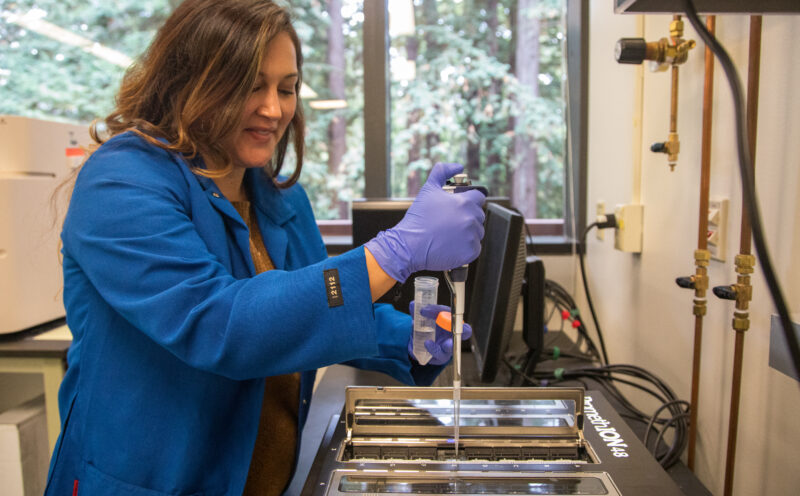
NIH grant supports bringing complete genome sequencing from the lab to the clinic
A $2.9 million R01 research award from the National Institutes of Health will support the efforts of engineers at the UC Santa Cruz Genomics Institute to further develop and drive down the cost of complete genome sequencing technology.
-

UC Santa Cruz is building better detection for rare form of cancer
New five-year NIH-funded project aims to transform the detection of synovial sarcoma using advanced single-molecule analysis
-

Fueling the biotech flywheel with fundamental discoveries and driven graduates
UC Santa Cruz deepens industry engagement to underscore its vital role in contributing basic research and tomorrow’s talent, convening its first international RNA biology conference on August 18
-
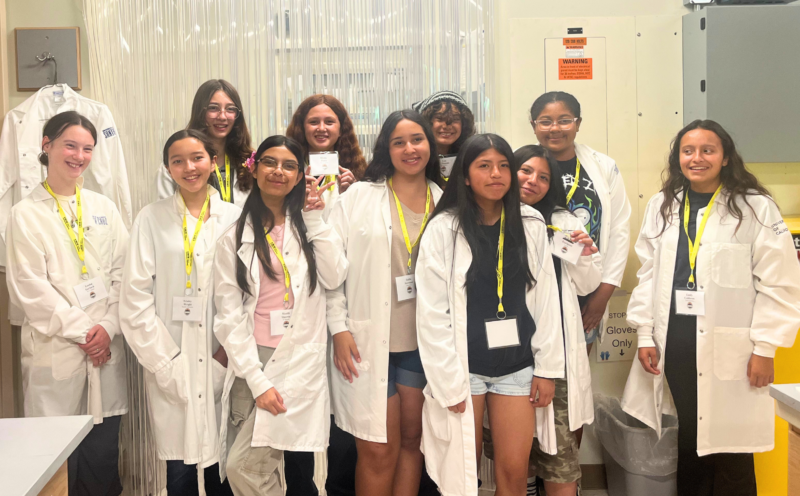
Girls in Engineering brings STEM to life for middle school students
This summer, 45 middle school students from across Santa Cruz and Monterey counties participated in the five-day camp, taking part in hands-on projects, lab tours, and a field trip to Google.
-
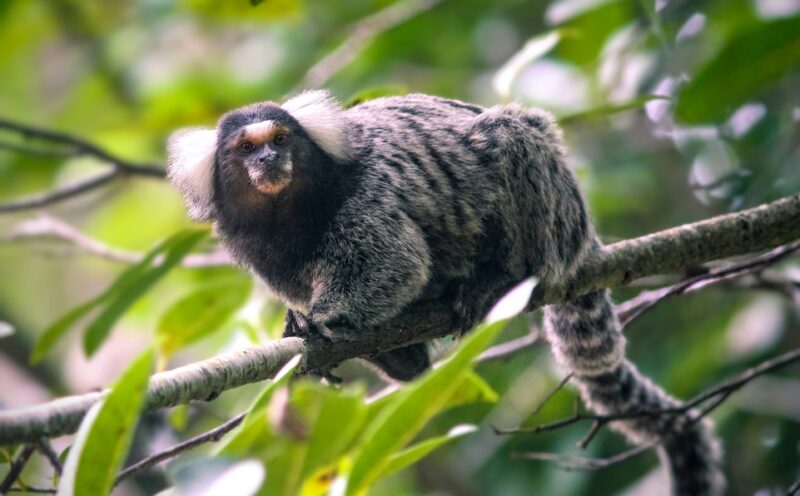
First complete marmoset genome will enable research on Alzheimer’s, neurodegenerative diseases
The new reference is one in a collection of studies on end-to-end, or “T2T,” genomes
-

Nine projects receive seed funding from the Genomics Institute
From listening to the electrical signals of fungal networks in fire-scarred forests to training AI models that can interpret the most complex regions of the human genome, this year’s cohort is using genomics in bold new applications.
-
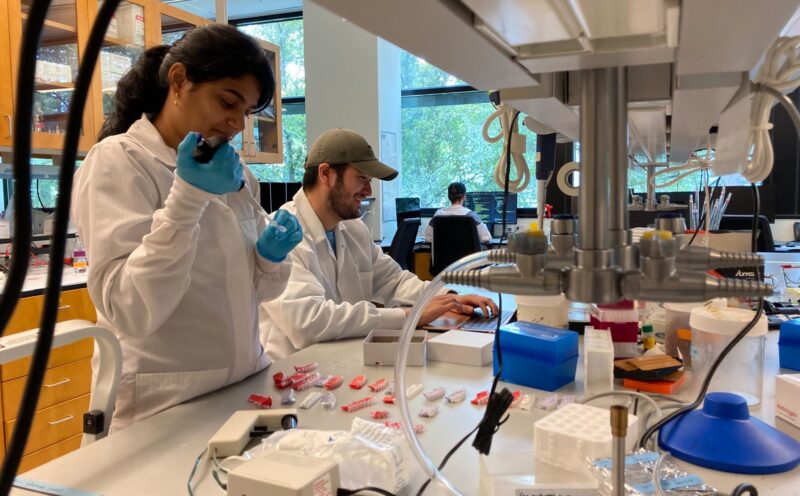
Partnership with Oxford Nanopore Technologies will support development of RNA liquid biopsy for cancer early detection
The technology screens for cancer, and even abnormal “precancerous” cells, using a simple blood draw.
-
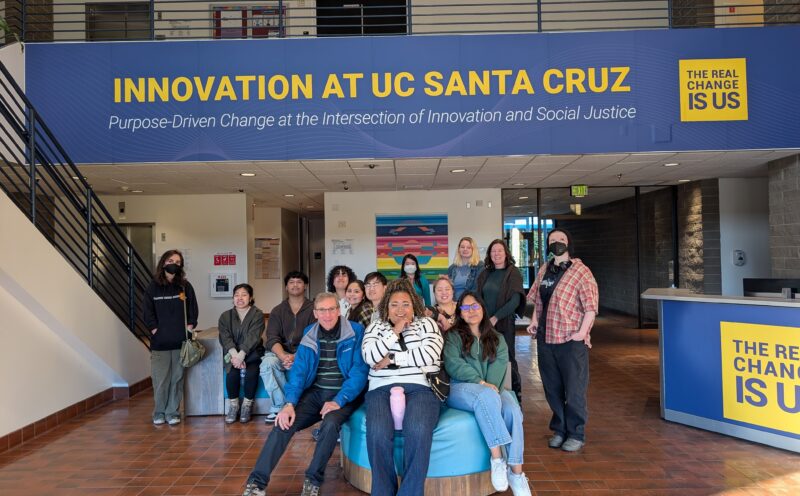
Stem cell education platform strengthens students’ identity as scientists
Hispanic and first-generation college students are particularly positively impacted by the Braingeneers group’s technology
-
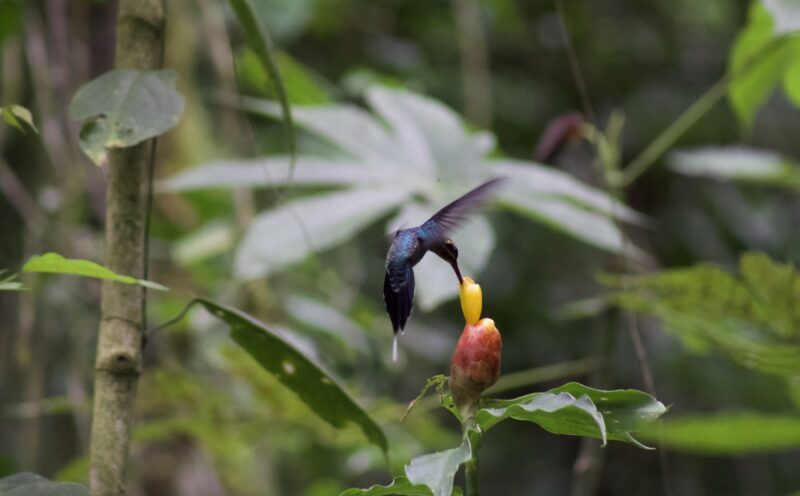
The best pollinators can drive evolutionary changes in flowers, new study finds
Researchers find hummingbirds to be better pollinators of mountain flowers than bees, prompting the plants to adopt traits that favor the fast, feathered carriers over the fuzzy, buzzy ones
-

The frontier of brain science: AI and organoid research takes center stage in Silicon Valley
At a meeting of minds, researchers discussed a platform that could finally reveal the intimate workings of the human brain, and what happens if we succeed.
-
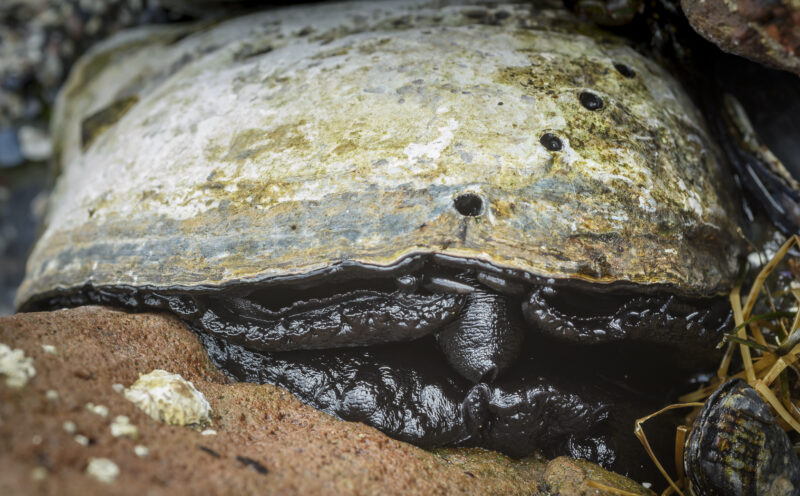
Ancient DNA offers hope for California’s critically endangered black abalone
UC Santa Cruz researchers have, for the first time, sequenced whole genomes from mollusk shells, unlocking 1,500 years of genetic history for a species on the brink