Genomics Institute
-
Twenty-five years after the human genome project, a new era is dawning
Today, genomics is saving countless lives and even entire species, thanks in large part to a commitment to collaborative and open science that the Human Genome Project helped promote.
-

Genome of a 28-eyed jellyfish could provide insight on evolution of vision
The Macias-Muñoz lab and collaborators have sequenced the genome of a unique species of jellyfish to better understand the origins of sight.
-
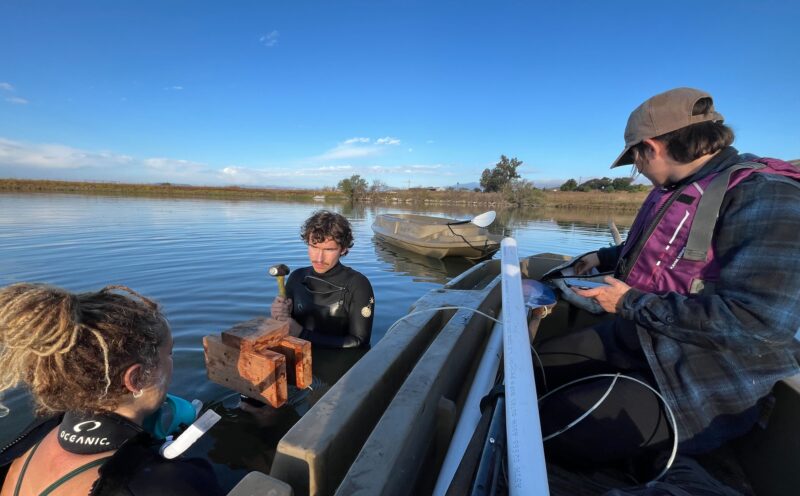
Digital platform for tracing DNA of rare species, pathogens in environment comes to Canada
UC Santa Cruz’s eDNA Explorer secures $1 million to bring ecosystem-assessment tool to British Columbia
-
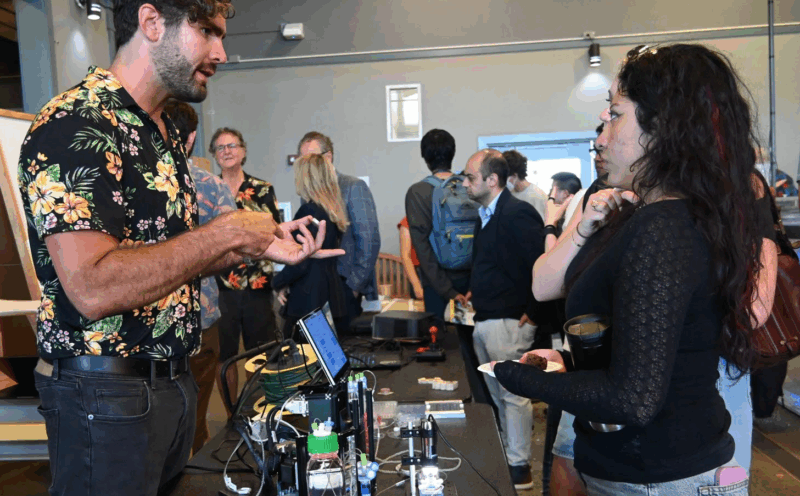
Symposium Celebrates 25 Years of Genomics Breakthroughs
The UC Santa Cruz Genomics Institute celebrated the 25 year anniversary of the human genome draft sequence and UCSC Genome Browser with a symposium celebrating the future of genomics in medicine
-
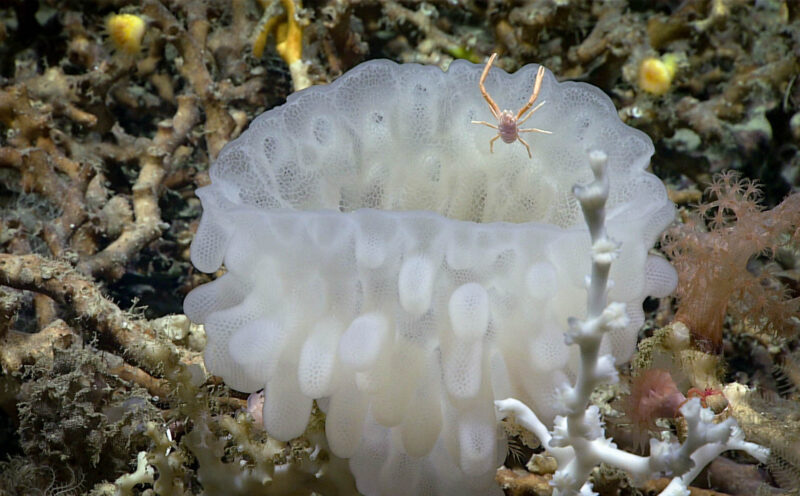
‘Selfish’ genes called introners proven to be a major source of genetic complexity
UC Santa Cruz researchers are studying the ways certain genetic elements hide and make copies of themselves, so they can propagate within a species’ DNA, or even hop from one species to an unrelated one in a process called “horizontal gene transfer.”
-

UCSC Genome Browser alumni profile: Melissa Cline
Melissa Cline is a prominent figure in the field of cancer genomics and currently manages the BRCA Exchange, the largest public resource for knowledge on genetic variations that influence heritable breast, ovarian, prostate, and pancreatic cancers.
-

Ancient DNA research aids de-extinction efforts and reveals surprising dire wolf ancestry
UC Santa Cruz scientists worked with Colossal Biosciences to help reveal secrets in the dire wolf genome that contributed to what the startup is calling the world’s first de-extinction
-

Reimagined undergrad class teaches students entire DNA sequencing process using cutting-edge devices
A biomolecular engineering course has recently been redesigned to give students experience with the entire process of DNA sequencing, from sampling to data analysis, using the latest nanopore devices from Oxford Nanopore Technologies.
-

Brain cells are more plastic than previously thought, study shows
Using in-vitro models of a specific type of brain cell, scientists show that neurons are capable of changing from one type to another
-
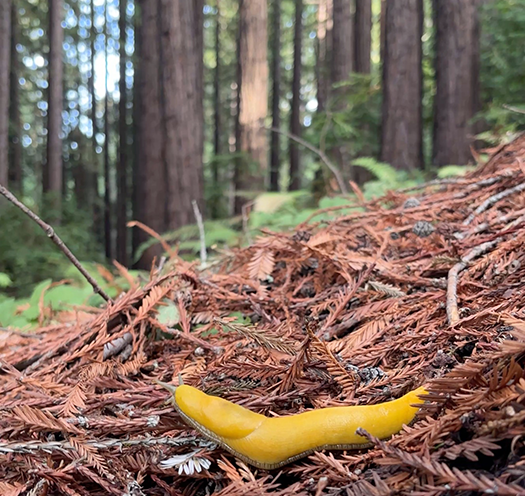
UC Santa Cruz scientists slither into the history books with first complete genome of a banana slug
Not only is the banana slug the endearing mascot for UC Santa Cruz — making the project fitting for campus researchers — but the slugs’ unique slime was a particularly challenging undertaking for UCSC’s experts in genomics.
-

Long read sequencing reveals more genetic information while cutting time and cost of rare disease diagnoses
A new study shows that long-read sequencing has the potential to improve the rate of diagnosis while reducing the time to diagnosis from years to days — in a single test and at a much lower cost.
-

Genomics Institute faculty and staff help create non-profit to center Indigenous Knowledge while accelerating conservation genomics research
Several current and former UC Santa Cruz faculty and staff have joined with leading experts in the field of conservation genomics to launch Wise Ancestors, a non-profit centering Indigenous Peoples and Local Communities as co-creators of biodiversity conservation projects