Mike Peña
-

Alumna Isabelle Connor notches another first from her time at UC Santa Cruz: American Physical Society’s Apker Award
Class of 2026 graduate and campus’s first student Olympic athlete is now also the first from UC Santa Cruz to be honored with the coveted award for outstanding undergraduate achievement in physics.
-

UC Santa Cruz stem-cell institute launches mentorship program to prepare undergraduates for careers in research and industry
New program removes financial barriers, offering stipends to participate in stem-cell research and career-development activities in preparation for advanced study or careers in regenerative medicine, biotechnology, or related fields.
-

UC Santa Cruz researchers discover genetic ‘dimmer switch’ that can boost sepsis resistance
New study reveals how a long non-coding RNA links immune regulation to cell metabolism, opening a novel therapeutic pathway for life-threatening systemic inflammation.
-
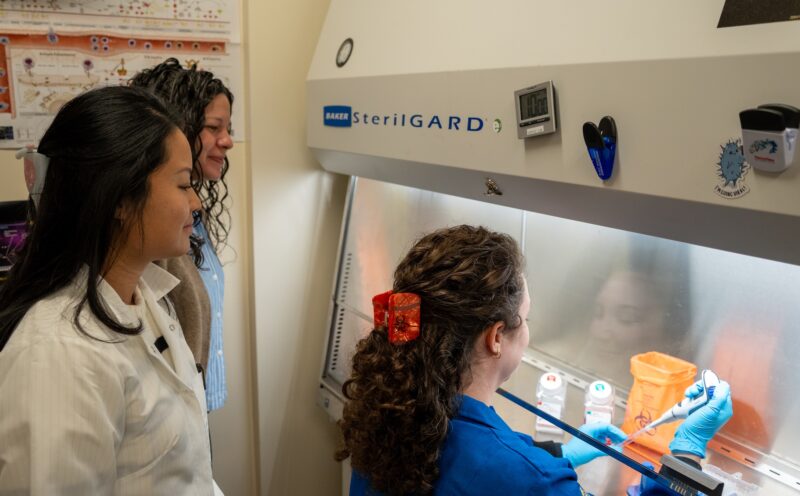
How a gut virus hijacks mucus production to slip past the body’s protective barrier
New study reveals how astroviruses use goblet cells as an escape route from the small intestines to evade host immunity and enhance spread and transmission, presenting a new path for treating pediatric diarrhea.
-
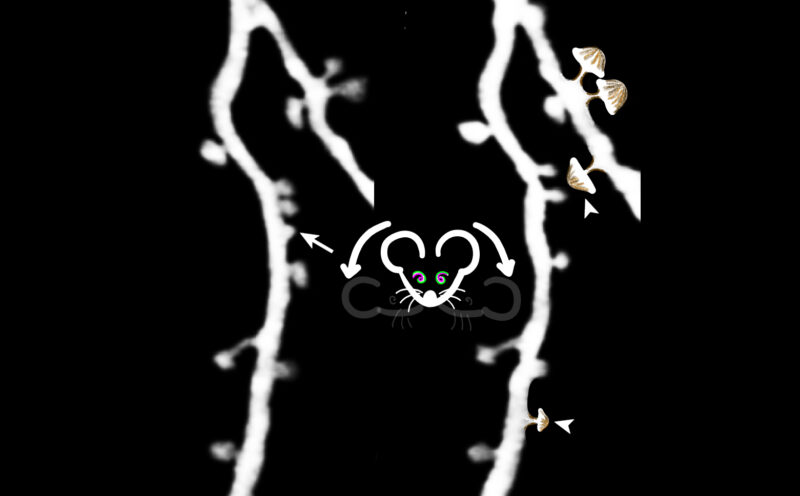
How psilocybin reshapes brain circuits
New research at UC Santa Cruz reveals how psychoactive compound in ‘magic mushrooms’ rewires synapses without altering perception, opening new possibilities for non-hallucinogenic psychiatric medications.
-

New cost-analysis tool allows coastal communities to see and estimate benefits of investing in storm-protection measures
CoSMos Adapts gives climate-resilience planners a way to compare the costs of inaction or long-term savings by adopting solutions such as restoring sand dunes or rocky reefs to guard against increasingly destructive storms.
-

Tesla Jeltema named a 2026 American Physical Society Fellow
Jeltema’s work focuses on observational cosmology and particle astrophysics, including constraints on the nature of dark matter and dark energy and studies of the evolution of galaxies.
-
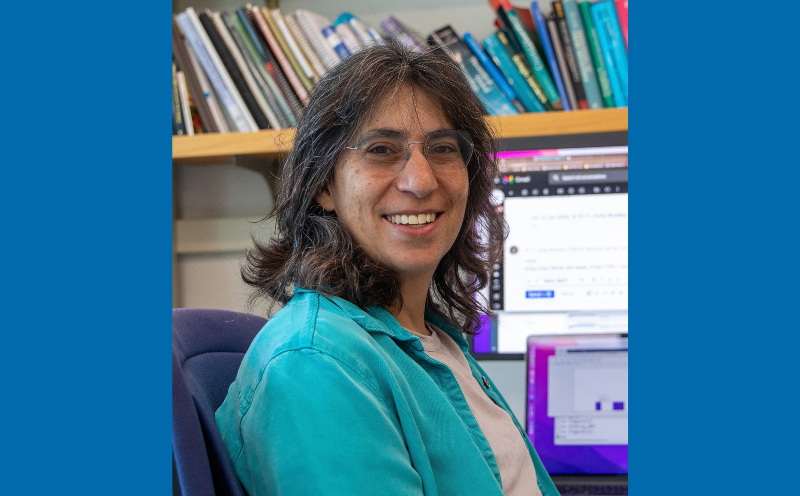
DOE selects AI-driven geothermal initiative to develop safe, affordable way to tap abundant underground resource
UC Santa Cruz will provide geoscience leadership through Emily Brodsky, distinguished professor of Earth and planetary science
-
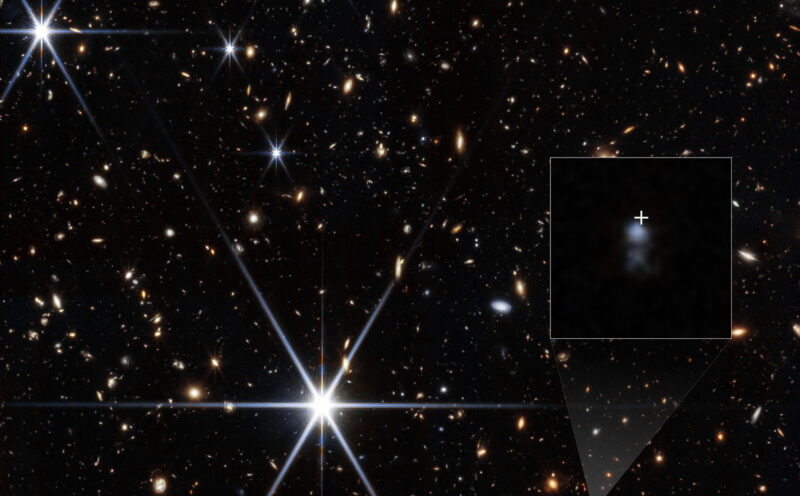
Astronomers use Webb telescope to pinpoint host galaxy of the most distant fast radio burst to date
Originating just 3 billion years after the Big Bang, the record-setting burst was localized with key contributions from UC Santa Cruz collaborators.
-
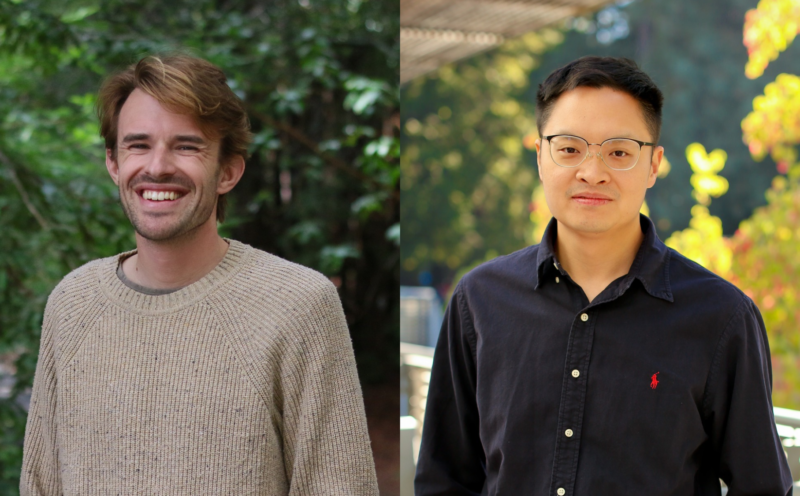
Two UC Santa Cruz faculty win NIH Director’s New Innovator Awards
The two awardees are Assistant Professor of Chemistry and Biochemistry Jaron Mercer and Assistant Professor of Biomolecular Engineering Andy Yeh
-

Teaching students scientific-storytelling skills to inspire change
The senior capstone course ESCI 191 equips environmental-science majors with digital-storytelling skills to translate complex climate data into compelling narratives to immerse and engage the public.
-
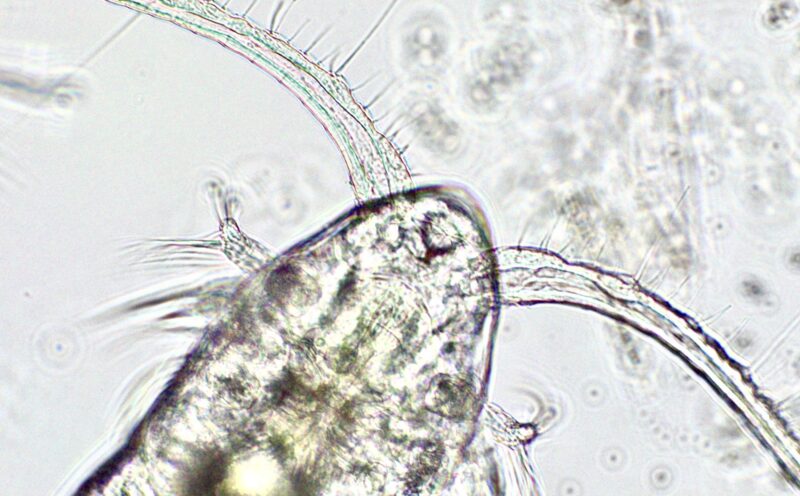
New detection technique advances early warnings for toxic algal blooms
UC Santa Cruz researchers use passive resin samplers to track chemical cues, extending predictive lead time for harmful algal blooms in Monterey Bay by up to seven weeks.