Science
-
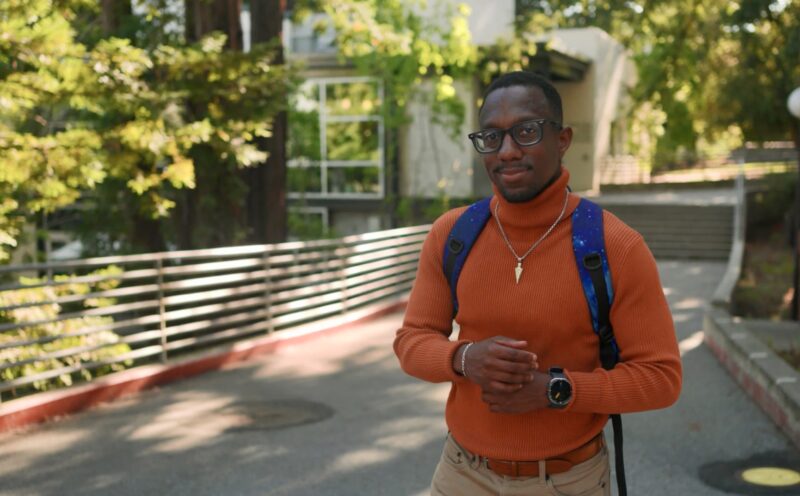
A student’s trajectory from Tanzania and transformation into a scientist
On its 150th anniversary, Lick Observatory draws on its legacy of pioneering research to continue producing the next generation of scientific instruments, techniques, and astronomers
-
UC Santa Cruz is building better detection for rare form of cancer
New five-year NIH-funded project aims to transform the detection of synovial sarcoma using advanced single-molecule analysis
-
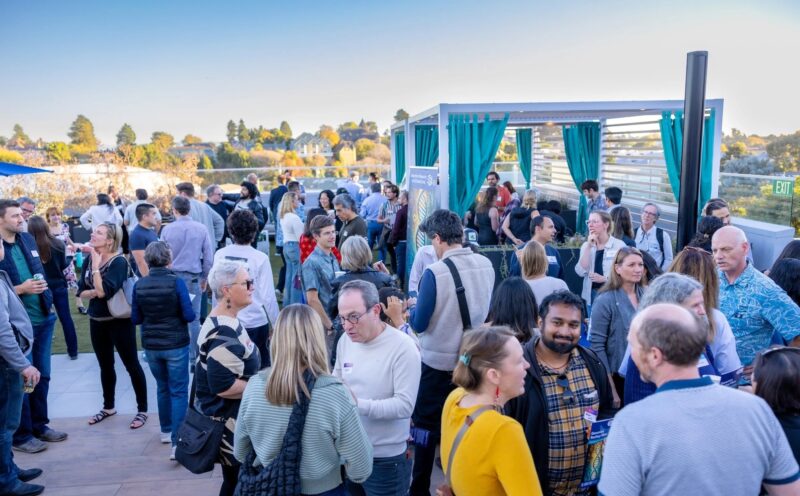
Fueling the biotech flywheel with fundamental discoveries and driven graduates
UC Santa Cruz deepens industry engagement to underscore its vital role in contributing basic research and tomorrow’s talent, convening its first international RNA biology conference on August 18
-
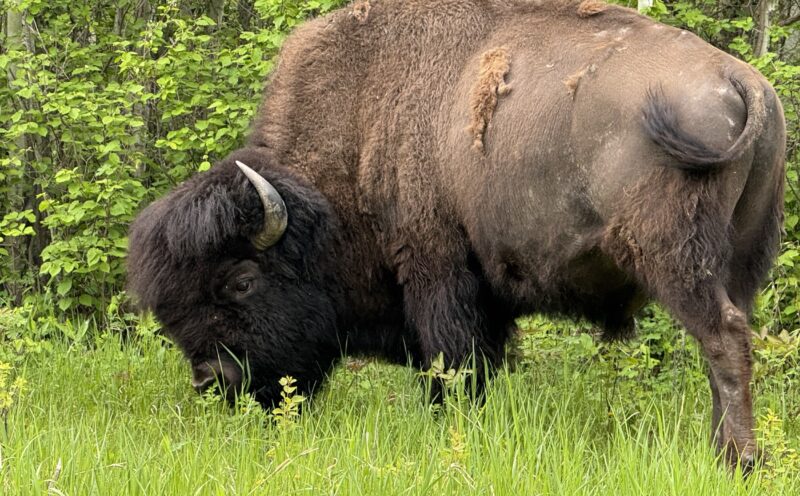
Decoding the North American bison’s genome to better inform conservation efforts
UC Santa Cruz researchers lead analysis of ancient DNA that yields a genomic roadmap for the restoration of the continent’s largest land mammal, pushed nearly to extinction because of past human activities
-
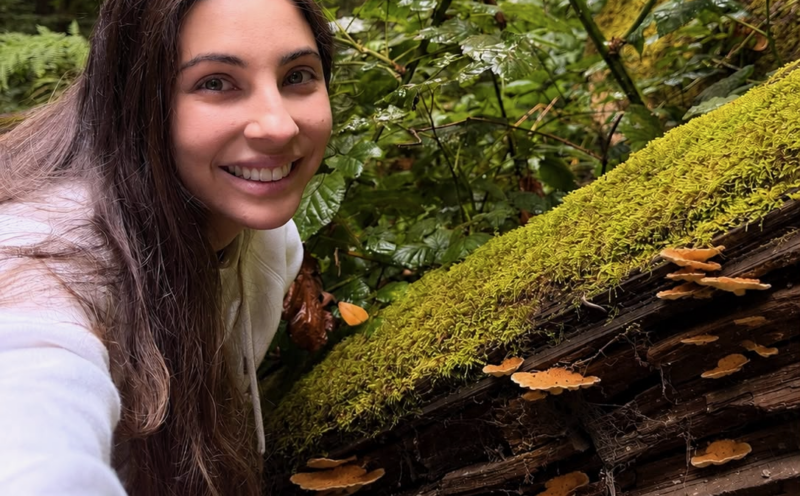
Nine projects receive seed funding from the Genomics Institute
From listening to the electrical signals of fungal networks in fire-scarred forests to training AI models that can interpret the most complex regions of the human genome, this year’s cohort is using genomics in bold new applications.
-

State funding supports UC Davis/UC Santa Cruz program to train future Central Coast physicians
The UC Programs in Medical Education Central Coast (PRIME Central Coast) is recruiting for its inaugural cohort of students, who will begin their medical training in 2027
-

Beach season is here—just not for everyone
Marine and social scientists at UC Santa Cruz explain why privileged people enjoy more recreational, economic, and emotional benefits of the ocean than underresourced groups, and offer holistic remedies
-
La temporada de playa ya está aquí—pero no para todos
Científicos marinos y sociales de la UC Santa Cruz explican por qué las personas privilegiadas disfrutan de más beneficios recreativos, económicos y emocionales del océano que los grupos con menos recursos, y ofrecen soluciones holísticas
-
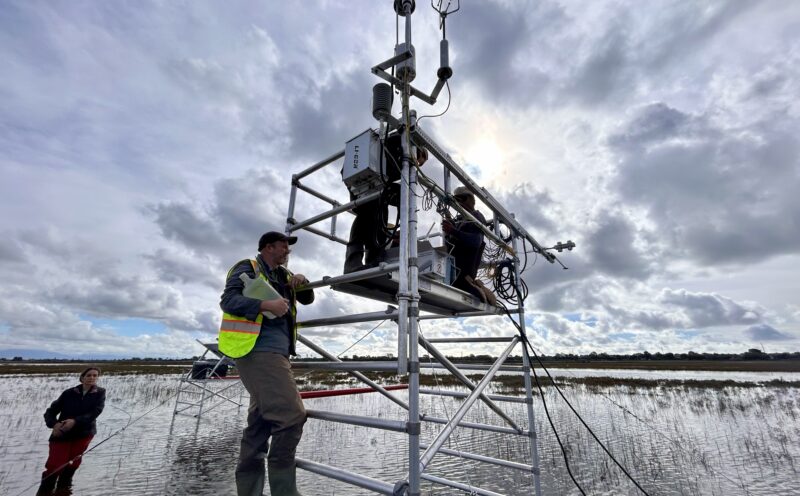
UC Santa Cruz team helps state better understand how wetlands sequester carbon and improve air quality
Atmosphere-monitoring towers operated by the Paytan Lab will tell the tale of two very different Southern California wetlands over the next two years
-

Postdoctoral researcher to develop instrumentation to detect distant protoplanets
Supported by the new Astronova Fellowship program, Christina Vides will advance her research in a technique that sharpens the images from astronomical telescopes in order to detect faint planets in the glare of their bright host stars
-

The color of penguin poo: Satellites reveal the chilling truth of global warming’s impact on an iconic polar species
Scientists study poop patterns of Adélie penguin colonies across all of Antarctica over a 30-year span using Landsat satellite images, a first for capturing food-web and population trends at continental and decadal scales relative to climate change
-
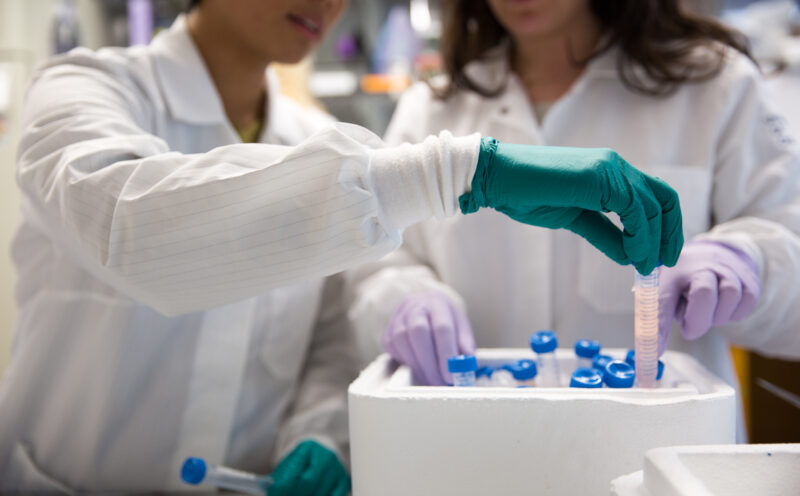
‘Parent’ blood cells act as a buffer against the effects of aging
A new study shows cells called multipotent progenitors protect blood cell production and function