Astronomy & Astrophysics
-
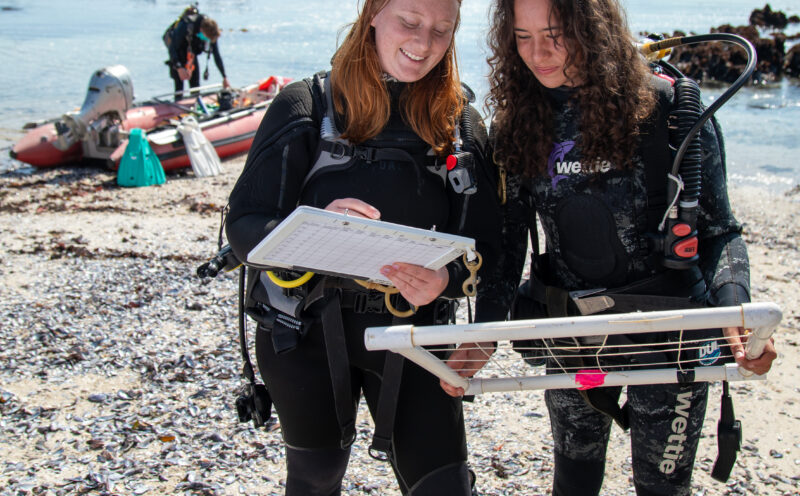
UC Santa Cruz ranks among top 50 public universities in U.S. News Best Colleges rankings
Among U.S. universities, the campus ranks No.1 for marine and freshwater biology and No. 7 for space science.
-
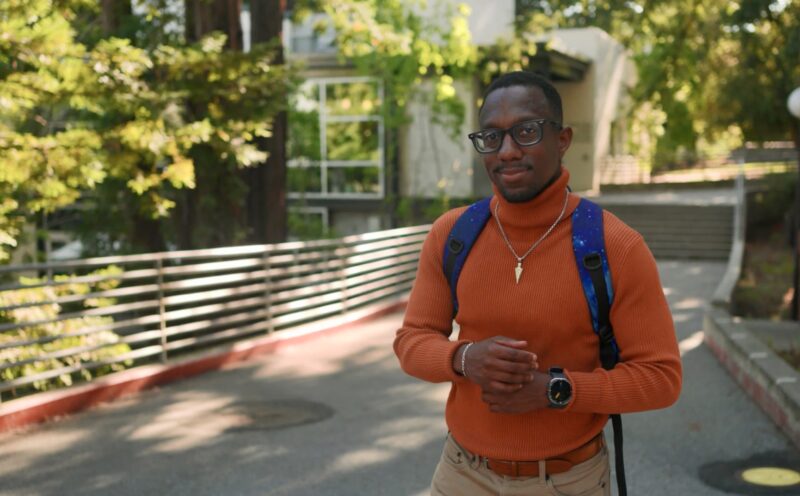
A student’s trajectory from Tanzania and transformation into a scientist
On its 150th anniversary, Lick Observatory draws on its legacy of pioneering research to continue producing the next generation of scientific instruments, techniques, and astronomers
-

Postdoctoral researcher to develop instrumentation to detect distant protoplanets
Supported by the new Astronova Fellowship program, Christina Vides will advance her research in a technique that sharpens the images from astronomical telescopes in order to detect faint planets in the glare of their bright host stars
-

Celebrating a shared cosmos and advancing Black equity in space science
Black in Astro, co-led by an astronomy postdoc at UC Santa Cruz, welcomes all to join the grassroots organization’s virtual conference to find inspiration and connection in a vibrant global community
-

Celebrating the Class of 2026
UC Santa Cruz is highlighting some of the amazing students in the Class of 2026. Video vignettes will be published throughout the week.
-
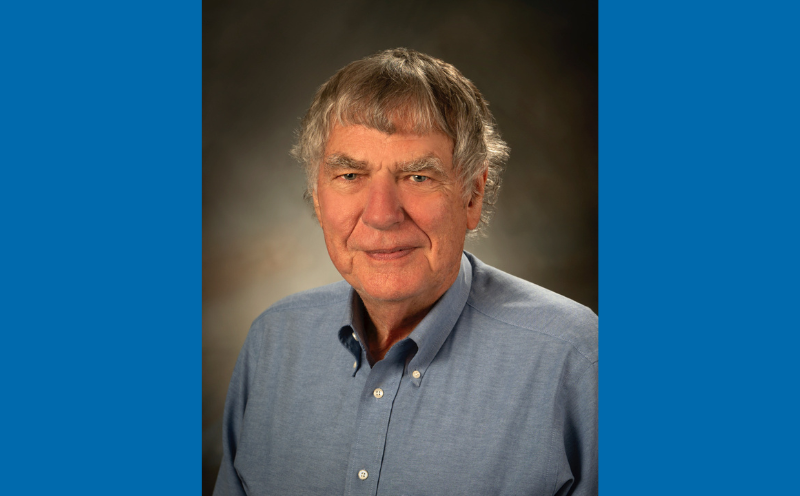
Astrophysicist Stan Woosley awarded two of astronomy’s top prizes for seminal studies of supernovae
Longtime professor wins the 2026 Shaw Prize in Astronomy and the 2026 Gruber Cosmology Prize back to back
-
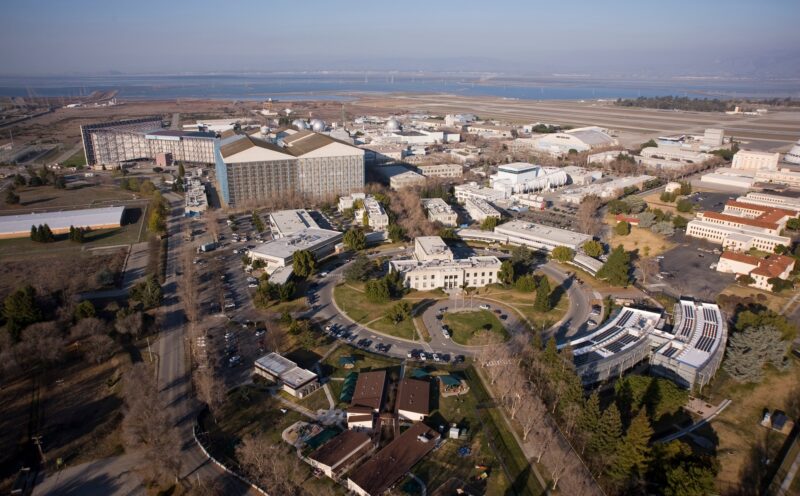
UC Santa Cruz partners with NASA’s Ames Research Center to create opportunities for students and research collaborations
The partnership, established as a Space Act agreement, builds on a collaboration between campus and the government research center that was first forged in 2003
-
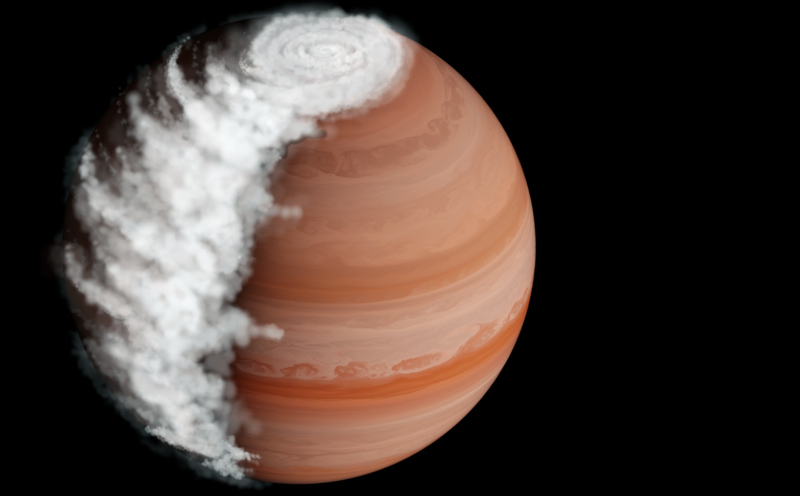
Astronomers clarify exoplanet atmospheres with new cloud-detection technique
Discovery led by UC Santa Cruz Ph.D. of daily cloud cycle on a hot Jupiter exoplanet provides unique window into its make-up
-
Astrophysicist Stan Woosley awarded Gruber Cosmology Prize for theoretical work on supernovae
UC Santa Cruz professor shares one of cosmology’s highest honors with Alex Filippenko at UC Berkeley and Ken Nomoto at the University of Tokyo
-
The 2026 Science Division Distinguished Alumni Award recipients
Gregory Reyes (Kresge ’76, biology), Larry de Ghetaldi (Merrill ’76, biology and chemistry), and Nicholas Suntzeff (Ph.D. ’80, astronomy) are recognized for careers of exceptional distinction in biomedical research, healthcare policy, and observational cosmology.
-
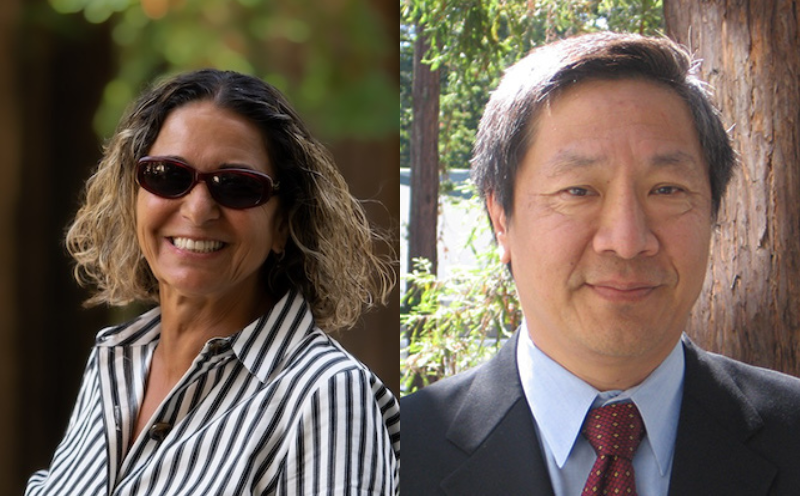
Professors Adina Paytan and Douglas Lin elected to National Academy of Sciences
Lin, emeritus distinguished professor of astronomy and astrophysics, also elected to the UK’s Fellowship of the Royal Society
-
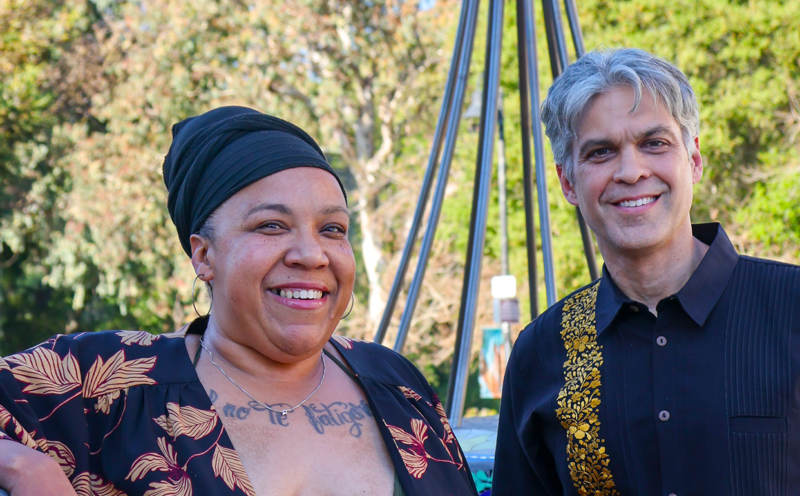
Acclaimed astrophysicist and electric slam poet blend science and storytelling
Slam poet Jasmine Schlafke and UC Santa Cruz professor Enrico Ramirez-Ruiz blend science, poetry and storytelling to explore our deepest origins and shared humanity at the second annual Landesman Lecture on April 28.