Inspiring Change: Climate and Environment
-
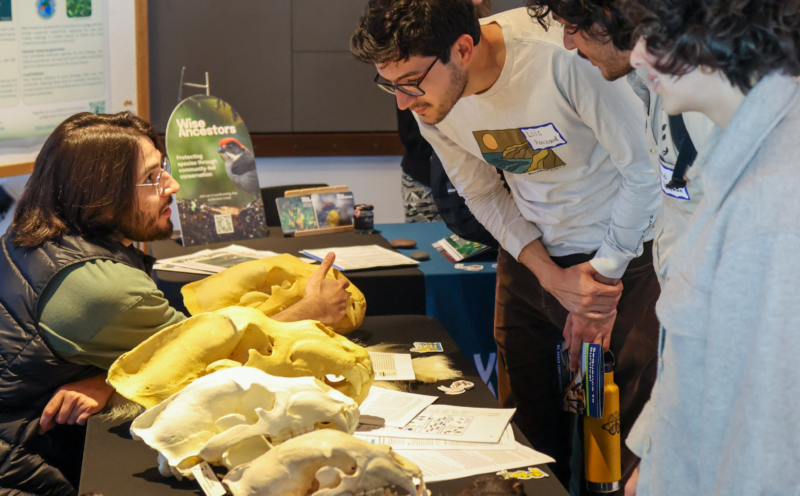
Extinction is not inevitable: Genomics symposium explores using DNA to save life on Earth
Conservation genomics is a bold new tool for protecting life on earth, but it will take all of us to slow the extinction crisis.
-

Collaborating ecology professors earn national honors and discuss their work together
Professors of ecology and evolutionary biology Roxanne Beltran and Erika Zavaleta have been recognized individually by the Ecological Society of America. But they also partner on research that bridges ecology, inclusive education, and field-based learning
-
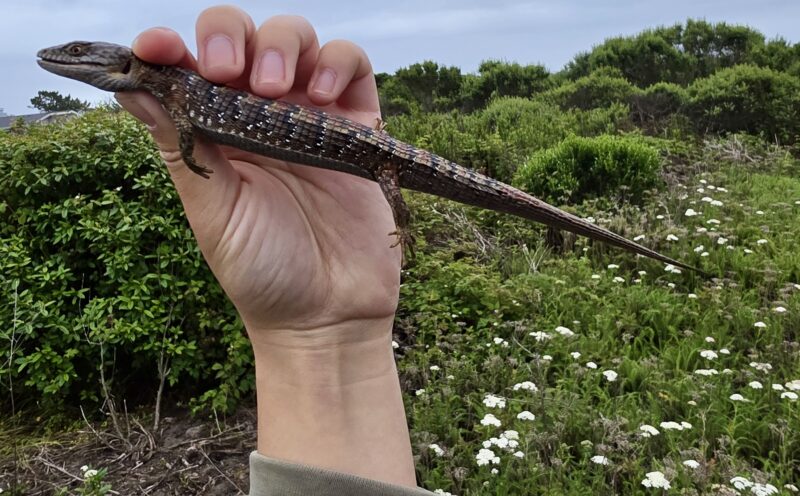
Over 5,000 biodiversity observations across more than 1,300 species equals first place in national competition
The campus chapter of the Ecological Society of America’s flagship education program SEEDS blew away all other competing chapters around the country, thanks to Santa Cruz’s thriving natural habitats
-
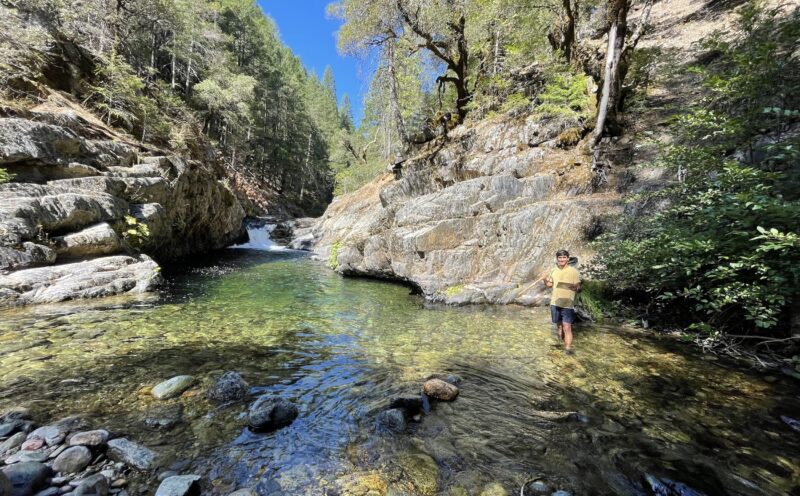
UC Santa Cruz receives California Department of Fish and Wildlife funding to assess health of state’s streams
A $2.2 million grant will scale a pioneering environmental DNA-based index, adding a broad biodiversity assessment tool that benefits statewide management of vital freshwater ecosystems
-

Story maps show massive fires like CZU are not a new phenomenon for Santa Cruz
An anthropology project traces the history of land use and fire in the county, revealing lessons for future management and mitigation
-

New method to raise investment funds for projects that restore coastal wetlands for climate adaptation
Center for Coastal Climate Resilience partners with The Nature Conservancy and others on a first-of-its-kind tool to drive private and public investment in adaptation built by nature
-

Threat of California’s native tree loss is greater than current estimates
New study finds that many of the state’s valuable and most recognizable trees could decline sooner than expected because current risk calculations don’t incorporate climate change
-
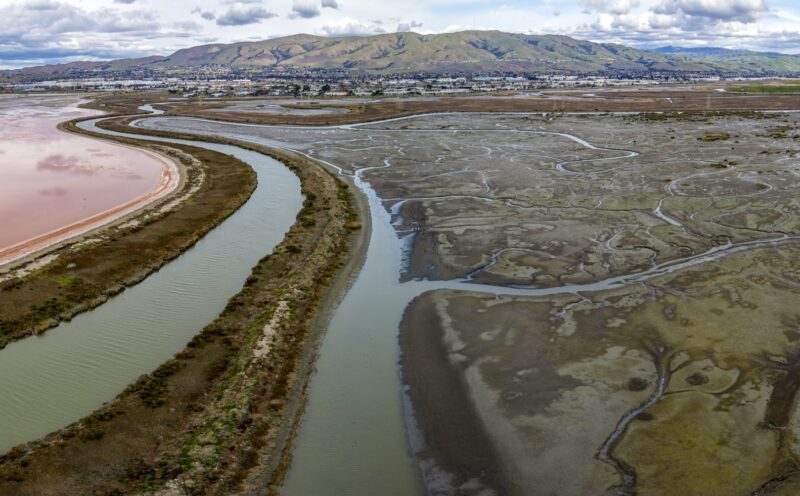
Researchers to measure atmospheric benefits of restored San Francisco Bay wetland
UC Santa Cruz will lend expertise in monitoring tidal marsh carbon levels once a 275-acre South Bay salt pond is converted back to its natural state, as part of a larger environmental campaign by multiple partners to restore lost tidal wetlands to San Francisco Bay.
-
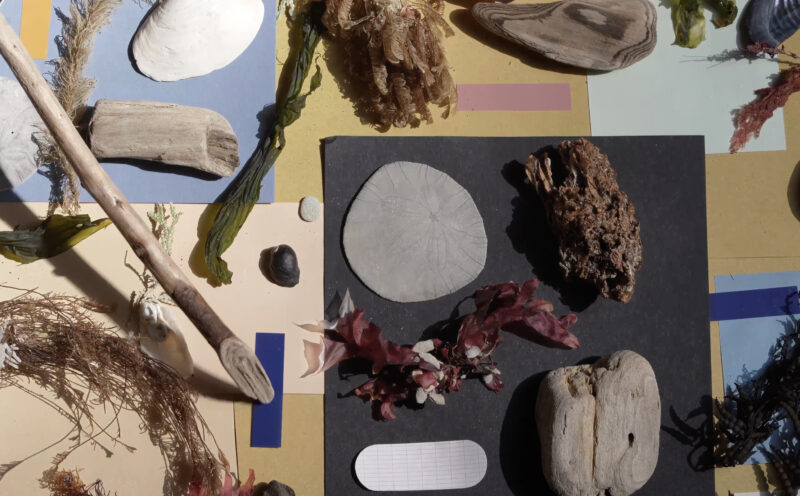
Art, ecology, and interconnection: UC Santa Cruz launches inaugural Earth Day festival
Professor Jennifer Parker organized the April 22 Arts & Ecology Festival as a space for gathering, exchange, and collective inquiry, bringing together interdisciplinary research, visual and sonic practices, and performance to engage the urgencies of the environmental crisis through shared experience and collaboration
-
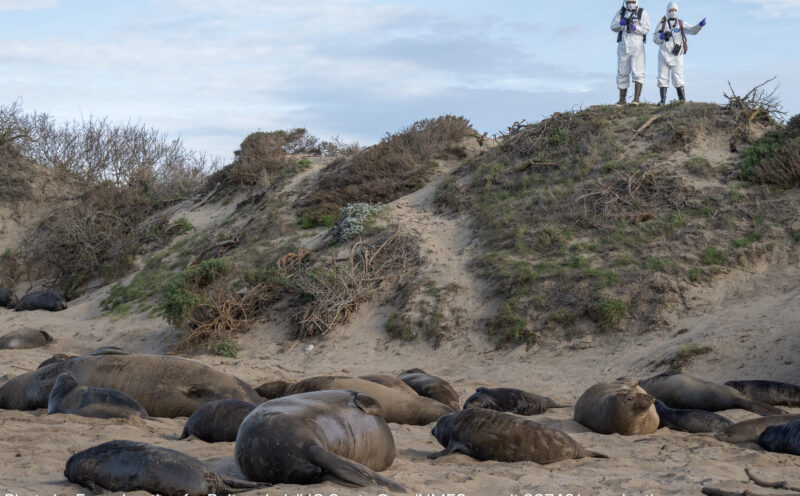
UC Santa Cruz’s deep expertise with elephant seals vital to avian influenza monitoring
Well-trained students and scientists are the boots on the beach collecting the samples and observations needed to help a statewide collaboration of responders monitor the recent outbreak
-
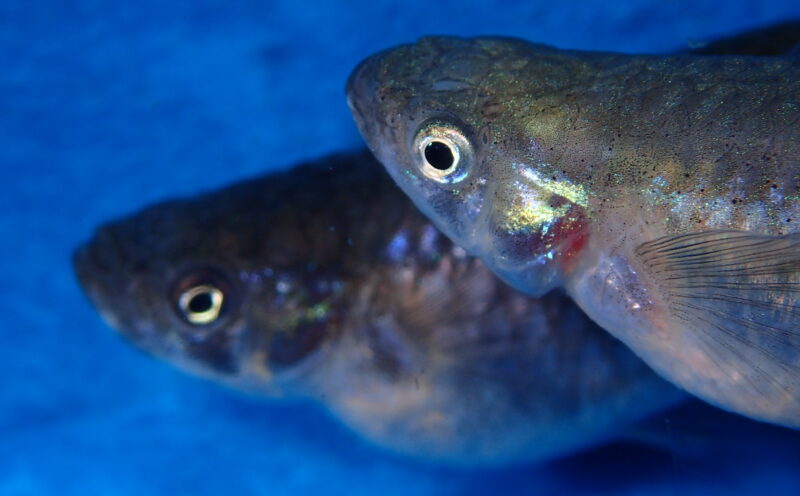
Does sexual harassment behavior matter for ecosystems?
Intense harassment of females by male mosquitofish increases the ecosystem consequences of this highly invasive fish
-
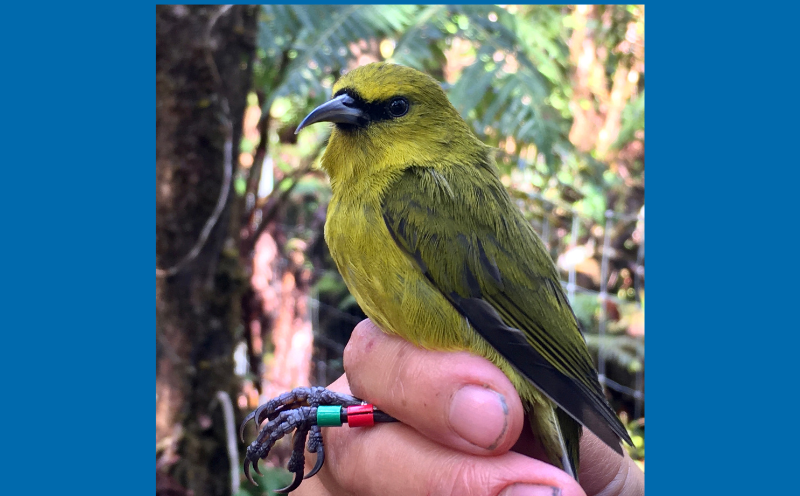
New study on avian malaria finds most of Hawaii’s birds contribute to deadly pathogen’s transmission
Research led by UC Santa Cruz finds that both non-native and native birds play a key role in the transmission of a disease that has contributed to the extinction of over a dozen species of Hawaii’s native birds