Campus News
Art, ecology, and interconnection: UC Santa Cruz launches inaugural Earth Day festival
Professor Jennifer Parker organized the April 22 Arts & Ecology Festival as a space for gathering, exchange, and collective inquiry, bringing together interdisciplinary research, visual and sonic practices, and performance to engage the urgencies of the environmental crisis through shared experience and collaboration
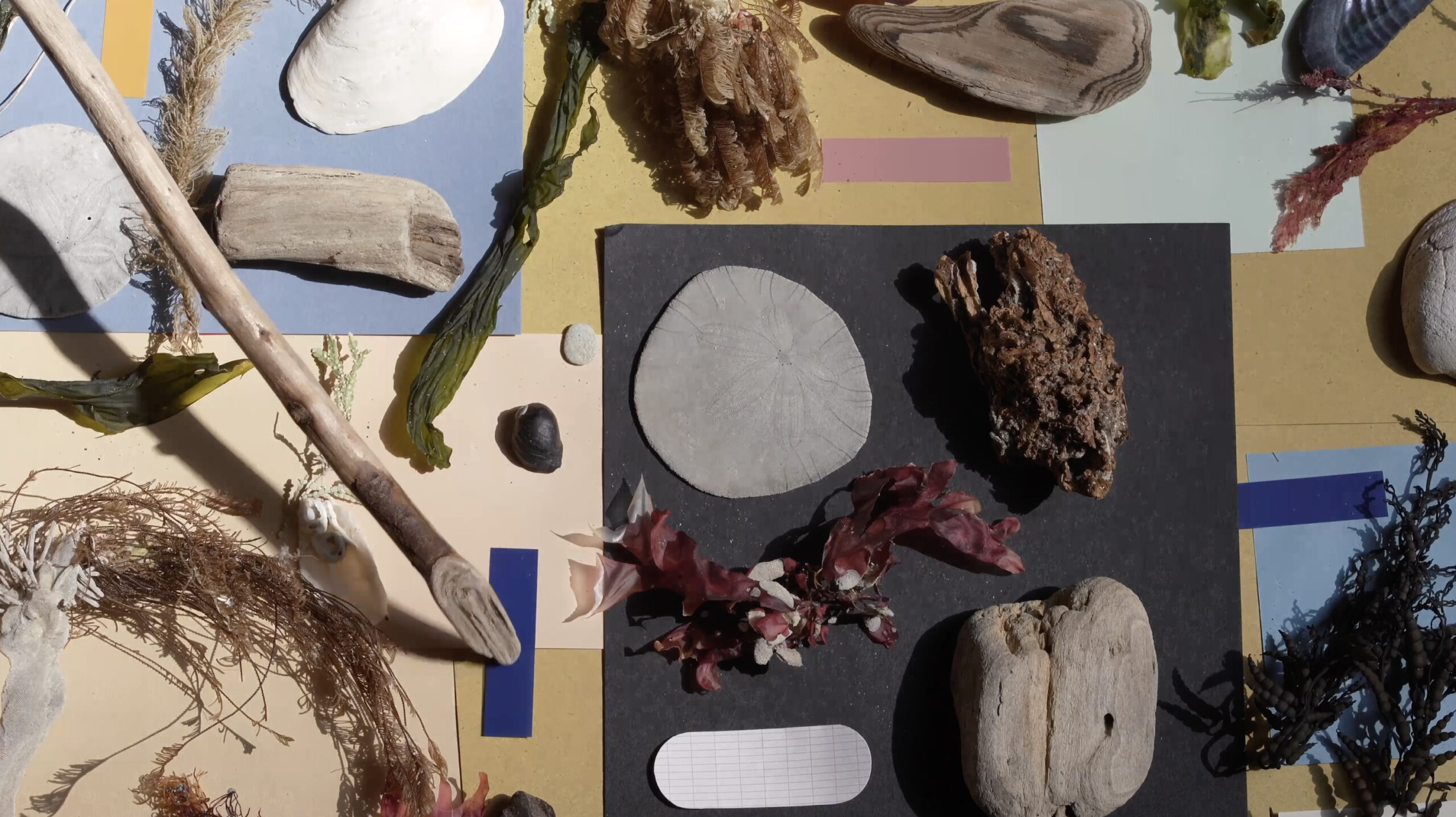
Hydrocatalogue (2025), Kim Kölle Valentine
The first Arts & Ecology Festival at UC Santa Cruz will bring together talks and panels featuring artists, scientists, and researchers. The April 22 program includes film screenings, live music, artworks, a clothing swap, a poetry slam, a solar powered mobile projection system, and groups like the Norris Center of Natural History, The Fábrica community textile Arts & Salvage Workshop in Santa Cruz, and a mobile podcast booth from UC Davis for participants to respond to climate-focused prompts, capturing creative perspectives on climate change.
UC Santa Cruz Art Professor Jennifer Parker was inspired to develop the festival during her sabbatical visiting the University of Complutense in Madrid when she came across a group of students making a huge banner to hang on a freeway overpass to protest the hikes in public education fees. The group was also planning an overnight teach-in—bringing together faculty, students, and staff for collective learning and solidarity. That spirit of shared inquiry and public engagement became a catalyst for the festival’s vision.
“What would it mean to create a festival that starts with a simple premise of us facing this environmental crisis that we all are part of?” Parker said. “At its core, the festival positions the arts as essential to climate response, as a space for collective thinking, public engagement, and imagining alternative futures.”
Karolina Karlic, professor of Art, Photography and Environmental Art + Social Practice at UC Santa Cruz and the founding director of Unseen California, an artist-led research initiative that engages arts research across the UC Natural Reserve field sites, encourages the student body and wide-reaching community to feel welcomed as integral voices of the festival.
“I encourage students and community members to see this as something they’re already part of—not something separate or out of reach,” she said. “This festival is about creating space for people to step in, share their perspectives, and recognize that their voices matter in shaping how we respond to climate challenges, from a wide range of perspectives.”
For Anna Friz, a Professor of Sound in the Film and Digital Media Department at UC Santa Cruz, ecology is all about interconnection. Friz makes multimedia and sound pieces such as Fog Refrain, a 22-hour radio piece about the sounds and signals within the coastal fog line in the area and how the activity that happens inside the fog is affected by it.
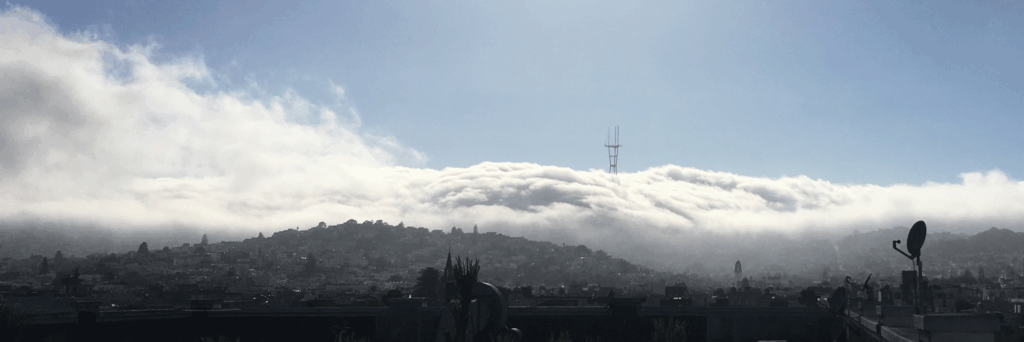
“All things operate and act in relation to one another, even if those relationships are fleeting or you’re just passing through,” she said. “Even a hummingbird on its way to somewhere else is still entangled in many relationships while in motion.”
Friz is not the only one thinking about fog. Parker founded OpenLab Collaborative Research Center, which works with artists and scientists. One of the projects is the Art+ Fog Collective. Parker worked with multimedia sculptor Anja Ufeldt, and chemist Peter Weiss on a project where they made fog catchers as public art with the idea of harvesting water from the sky, with fog as the source.
This kind of collaboration is critical, says Kevin Corcoran, who received an MFA in Environmental Art + Social Practice at UC Santa Cruz, and is now working on his PhD in Film & Digital Media there. Corcoran thinks one of the festival’s most appealing aspects is different departments’ participation.
“UC Santa Cruz is a really welcoming campus for actually doing interdisciplinary work, not just thinking about it or talking about the potential of it, but seeing people really collaborate across departments,” he said. “Jennifer Parker with OpenLab has successfully done a number of projects that bring artists and scientists together.”
Arts give people a way to think about these subjects in a localized way, Corcoran says, as well as making sense of them through looking and listening and interacting rather than reading data points.
Friz sees the festival as an opportunity to promote optimism and possibility.
“It’s important to both continue to hold the line on this conversation about climate crisis and environment–to affirm the necessity for it and to continue to work on imagining ourselves living differently,” she said. “Instead of the future represented as ending in some kind of inevitable zombie apocalypse, I think it’s important to maintain the notion that a local community still has the possibility to make decisions for ourselves, that we can stand up for those decisions, and one of the ways we do that is by continuing to emphasize the issues that are important to us even if politically those ideas are being actively suppressed.”
Parker also sees the festival as a chance for connection—with people as well as engaging creative research. She would like this to be an annual event, not just in Santa Cruz, but at UC campuses across the state.
“It’s planting a seed for future opportunities. It’s being present together and listening to each other, gathering as the thing that you do for the day, and making that commitment to your fellow humans,” she said. “We need to come together in community to be less isolated. Art brings people together.”
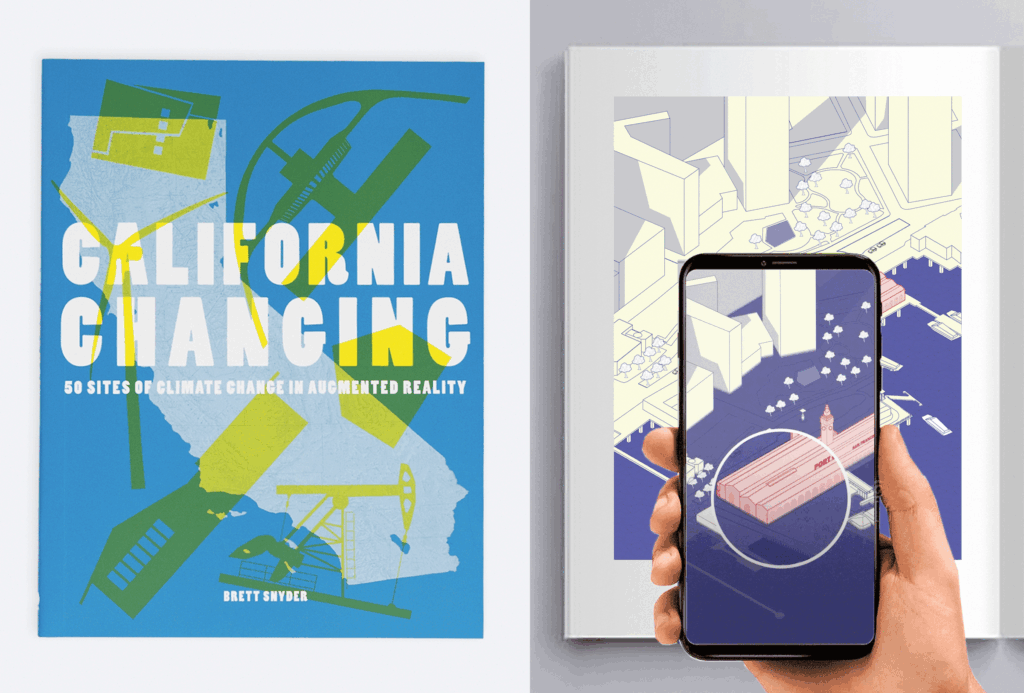
This program is part of OpenLab Collaborative Research Center, led by Jennifer Parker, with support from the Art Department and the University of California Climate Action Arts Network (UC CAAN). UC CAAN is a new systemwide initiative to support creative research, scholars, students, and community partners to address the climate crisis through the transformative power of the arts. The network is supported by the University of California Office of the President through its Multicampus Research Programs and Initiatives (MRPI) grant program.