
Health
-
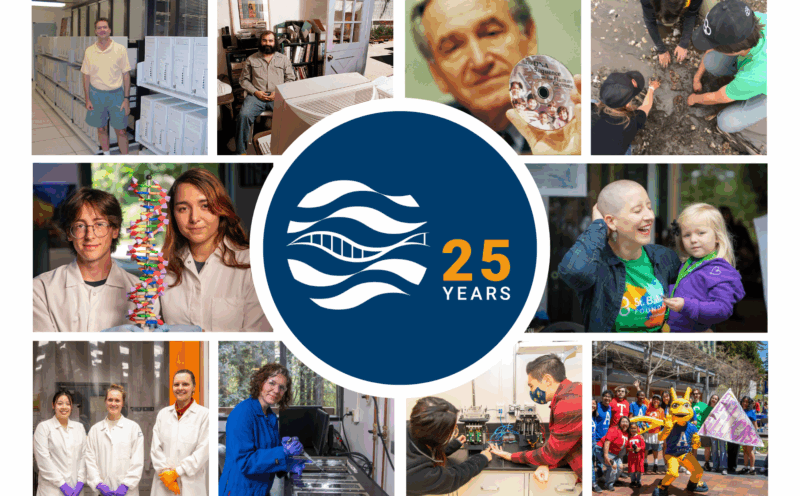
Twenty-five years after the human genome project, a new era is dawning
Today, genomics is saving countless lives and even entire species, thanks in large part to a commitment to collaborative and open science that the Human Genome Project helped promote.
-
Curing the incurable: Alumni-founded biotech firm partners with global immunology company
The research collaboration opens up treatment possibilities for diseases in areas like oncology, cardiometabolic disorders, and autoimmune conditions.
-

UC Santa Cruz alumni at the forefront of alopecia research and advocacy
Alumni Nicole Friedland (Merrill ’89, community studies) and Brett King (Crown ’92, chemistry) both spoke at the National Alopecia Areata 40th Annual Conference this June.
-

A fresh look at TikTok: short food videos encourage long-term healthy eating habits in teens
Research from UC Santa Cruz human-computer interactions scholars is revealing how online habits translate into offline actions
-
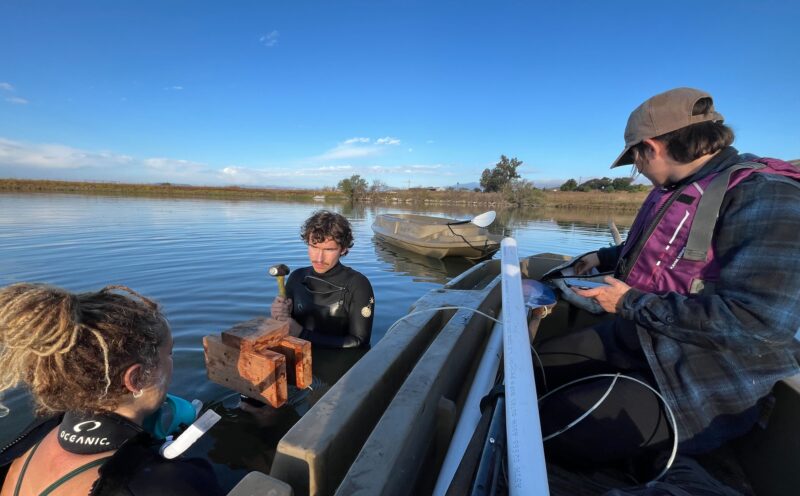
Digital platform for tracing DNA of rare species, pathogens in environment comes to Canada
UC Santa Cruz’s eDNA Explorer secures $1 million to bring ecosystem-assessment tool to British Columbia
-
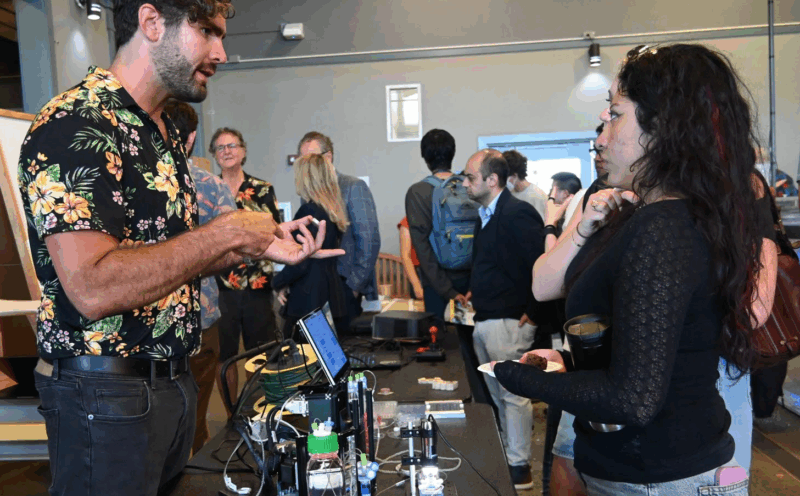
Symposium Celebrates 25 Years of Genomics Breakthroughs
The UC Santa Cruz Genomics Institute celebrated the 25 year anniversary of the human genome draft sequence and UCSC Genome Browser with a symposium celebrating the future of genomics in medicine
-

Applying the science of social impact
UC Santa Cruz alumna Jennifer Rigney uses her Ph.D. in Psychology to support mission-based organizations in making effective, data-based decisions about their programs. She has helped advance the ocean conservation goals of the Monterey Bay Aquarium and now supports early childhood development as the director of evaluation and learning for First Five Monterey County.
-
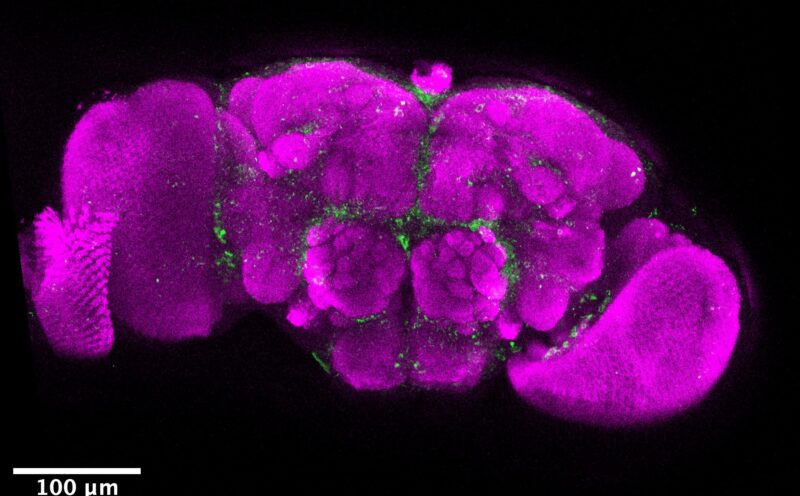
Molecular observations by UC Santa Cruz scientists demystify parasitic mind control
Using brain mapping, genetic engineering and machine learning, scientists reveal how parasitic bacteria take over fruit fly brains.
-
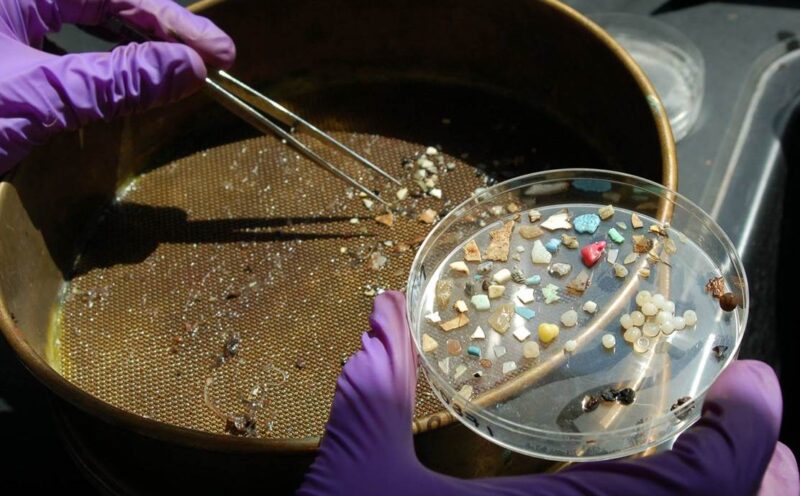
Ubiquitous plastics may trigger hormone disruption in seabirds, new study finds
Scientists show how ingested microplastics have similar effects on the endocrine systems of fulmars and humans
-

UCSC Genome Browser alumni profile: Melissa Cline
Melissa Cline is a prominent figure in the field of cancer genomics and currently manages the BRCA Exchange, the largest public resource for knowledge on genetic variations that influence heritable breast, ovarian, prostate, and pancreatic cancers.
-

Pest prediction and management improved with better modeling
With new research, applied mathematicians at UC Santa Cruz introduce methods to improve the forecasting of pest populations
-

Cell biologist discovers two proteins are key to proper transfer of genetic material
New study from Bhalla Lab shows how trait inheritance, human health, and evolution lie in the balance