
Health
-
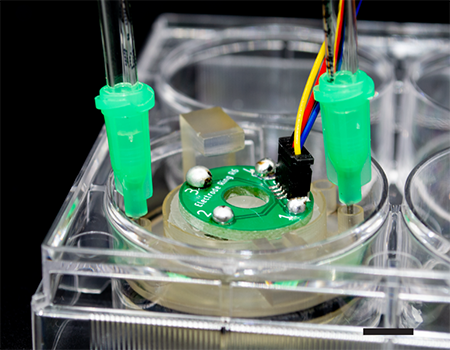
Bioelectronics enable precise control of organoids for better understanding of neuro diseases, neuron circuits
UC Santa Cruz researchers have developed a new plug-and-play bioelectronics system that enables researchers to precisely control neuronal activity in cortical organoids, which will help unlock new discoveries on how brains form neural circuits and the underpinnings of neurodevelopmental and degenerative diseases.
-

Innovative PET technology will enable precise multitracer imaging of the brain
UC Santa Cruz Associate Professor of Electrical and Computer Engineering Shiva Abbaszadeh is developing technology that will enable precise multitracer positron emission tomography imaging of the human body’s most complex organ with the support of a $4 million NIH grant.
-

Insights from UCSC-made COVID-19 tracking tool will guide the future of studying pathogens in real time
A new paper by a team of UCSC pathogen genomicists offers guidance for the future of web tools for tracking pathogen evolution.
-

Bacteria can enhance host insect’s fertility with implications for disease control
New research led at UC Santa Cruz reveals how the bacteria strain Wolbachia pipientis enhances the fertility of the insects it infects, an insight that could help scientists increase the populations of mosquitoes that do not carry human disease.
-
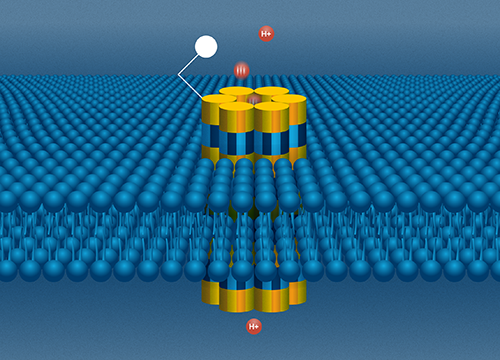
Novel device combines nanopores with electronic signals for disease detection
Research led by UC Santa Cruz Professor of Electrical and Computer Engineering Marco Rolandi shows the power of bioprotonic nanopores for disease detection.
-

10 mysteries of the Y chromosome
Researchers have just completed the first full sequence of a Y chromosome — what will we learn?
-
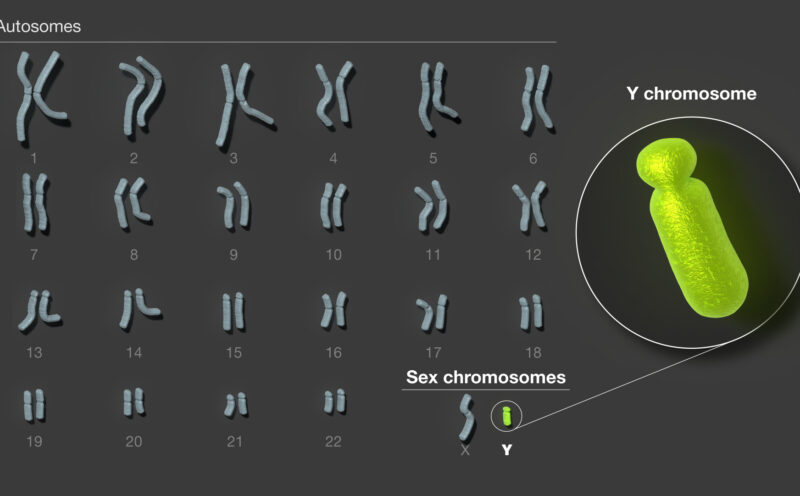
Scientists release the first complete sequence of a human Y chromosome
Scientists have completed the first full sequence of a human Y chromosome, completing the set of end-to-end human chromosomes and helping researchers to better understand human reproduction, evolution, and population change.
-
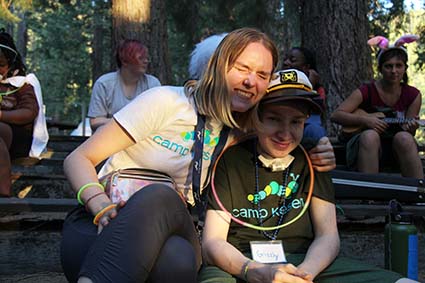
A childhood cancer survivor becomes a cancer researcher
This summer, 15-year-old Robert McCabe helped to sequence and analyze a tumor sample in the lab of the UC Santa Cruz Treehouse Childhood Cancer Initiative.
-

St. Baldrick’s Foundation grant will expand pediatric cancer research at UCSC
A new $100,000 grant from the St. Baldrick’s Foundation will provide UC Santa Cruz’s Treehouse Childhood Cancer Initiative funding to expand efforts to study rare pediatric cancers.
-
Novel deep learning-based software detects and tracks individual cells with high precision
Assistant Professor of Biomolecular Engineering Ali Shariati and doctoral student Abolfazl Zarageri together with several student researchers in the Shariati lab have developed and released a new deep learning model called “DeepSea,” one of the only tools with the ability to segment cells, track them and detect their division to follow lineages of cells.
-

Karen Miga named 2023 Searle Scholar to study uncharted regions of the human genome
Karen Miga, assistant professor of biomolecular engineering at UC Santa Cruz, has been named a 2023 Searle Scholar.
-

Human pangenome reference will enable more complete and equitable understanding of genomic diversity
UC Santa Cruz scientists, along with a consortium of researchers, have released a draft of the first human pangenome—a new, usable reference for genomics that combines the genetic information of 47 individuals from different ancestral backgrounds to allow for a deeper, more accurate understanding of worldwide genomic diversity.