PBSci-research-impact
-
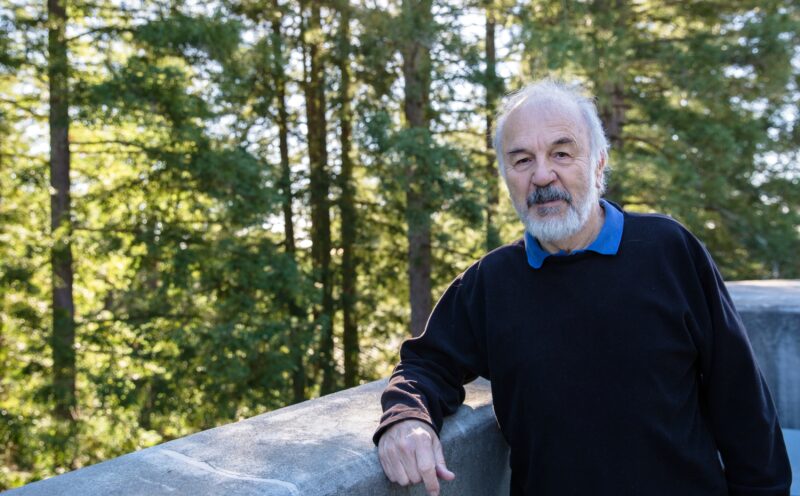
RNA Center founder Harry Noller cements a legacy of brilliance and creativity
The visionary who discovered that RNA powers the ribosome now turns his focus to his other lifelong loves: his saxophone, vintage cars, and family.
-
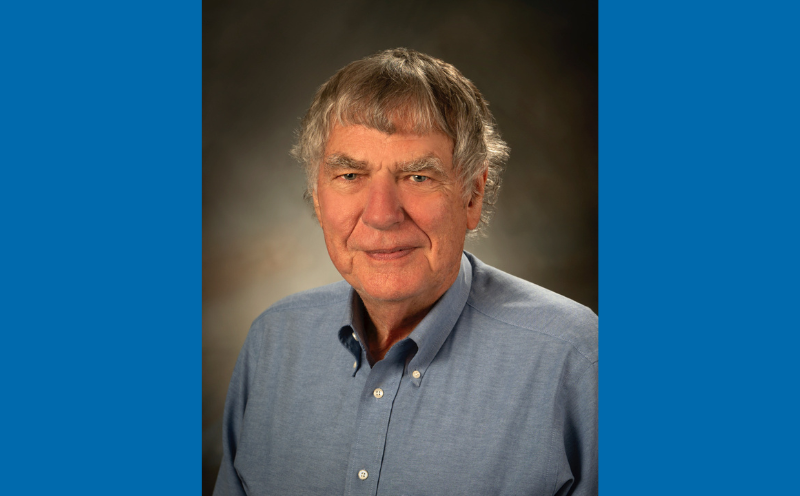
Astrophysicist Stan Woosley awarded two of astronomy’s top prizes for seminal studies of supernovae
Longtime professor wins the 2026 Shaw Prize in Astronomy and the 2026 Gruber Cosmology Prize back to back
-
The 2026 Science Division Distinguished Alumni Award recipients
Gregory Reyes (Kresge ’76, biology), Larry de Ghetaldi (Merrill ’76, biology and chemistry), and Nicholas Suntzeff (Ph.D. ’80, astronomy) are recognized for careers of exceptional distinction in biomedical research, healthcare policy, and observational cosmology.
-
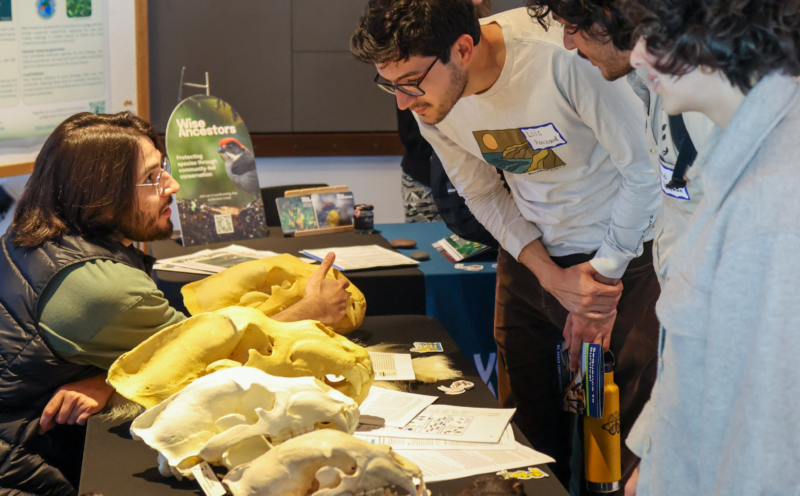
Extinction is not inevitable: Genomics symposium explores using DNA to save life on Earth
Conservation genomics is a bold new tool for protecting life on earth, but it will take all of us to slow the extinction crisis.
-

UC Santa Cruz receives California Department of Fish and Wildlife funding to assess health of state’s streams
A $2.2 million grant will scale a pioneering environmental DNA-based index, adding a broad biodiversity assessment tool that benefits statewide management of vital freshwater ecosystems
-

DESI completes largest high-resolution 3D map of universe to date
The Dark Energy Spectroscopic Instrument (DESI) has completed its originally planned five-year mission and mapped more than 47 million galaxies and quasars, and will continue observations into 2028 and further expand the map.
-

UC Santa Cruz among top 10 public U.S. universities with high-impact research, analysis shows
The campus ranks among the top 10 public universities in the United States home to high-impact researchers, according to a recent analysis by Clarivate.
-
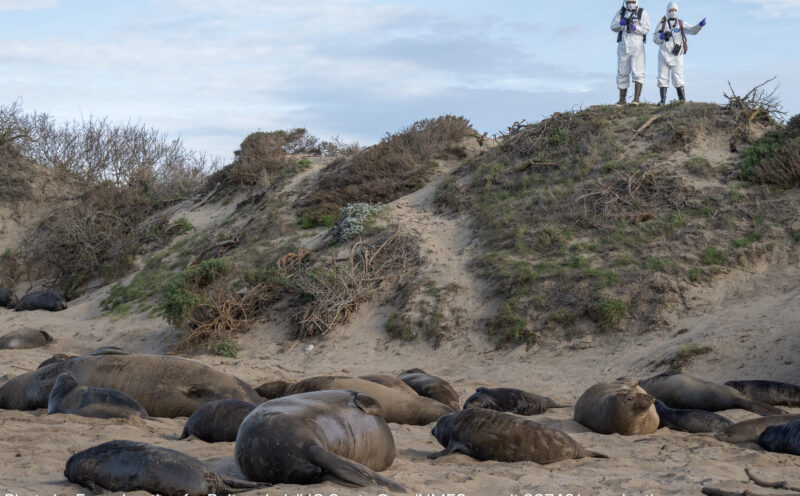
UC Santa Cruz’s deep expertise with elephant seals vital to avian influenza monitoring
Well-trained students and scientists are the boots on the beach collecting the samples and observations needed to help a statewide collaboration of responders monitor the recent outbreak
-
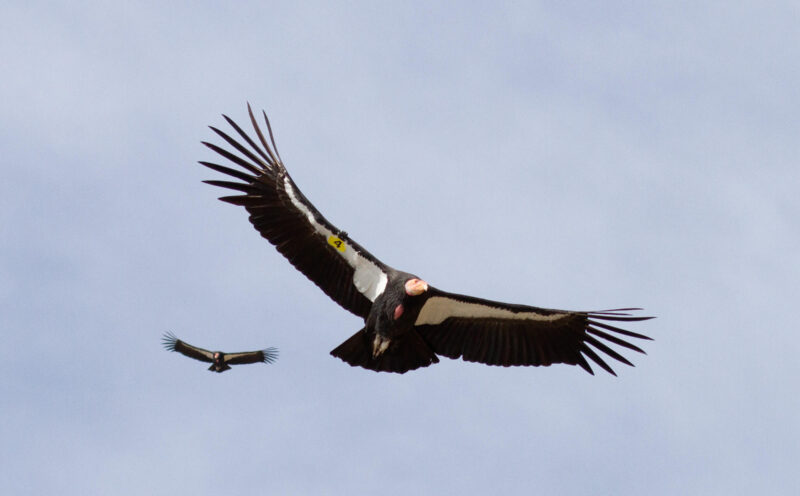
An adventurous vulture’s plight
Disturbing increases in toxic lead exposure are linked to wider foraging by the critically endangered California condor and more wild pigs being shot throughout the state, masking positive effects of outreach and lead-ammo bans
-

Father’s tobacco use may raise children’s diabetes risk
Mouse study finds link between father’s nicotine exposure and offspring’s metabolism
-

Supposedly harmless peptide may be linked to Alzheimer’s disease
New paper from UC Santa Cruz chemistry lab argues that efforts to develop treatments for Alzheimer’s should stop ignoring a short protein called P3, the ‘neglected cousin’ of amyloid beta
-
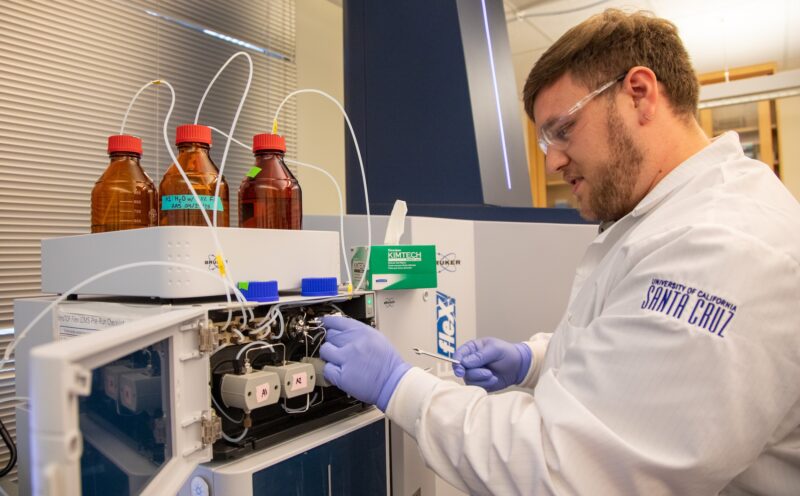
Biochemists establish new method for identifying pharmaceutical candidates faster
UC Santa Cruz team achieves synthesis of beneficial neurochemical in just two steps, promising to break a bottleneck in drug development