BE-virtualenvironments
-

Mitigating risks in free-flowing AI chatbot conversations
The NSF CAREER Award-funded research will focus on safety in addiction-recovery and teenage mental health scenarios, but can be applied to any chatbot use.
-

Partnership with Fujitsu enables long-term impact forecasting of climate risks
Ashesh Chattopadhyay and Fujitsu Research are developing actionable AI-based climate models that reduce resource-guzzling computation time from months to minutes
-
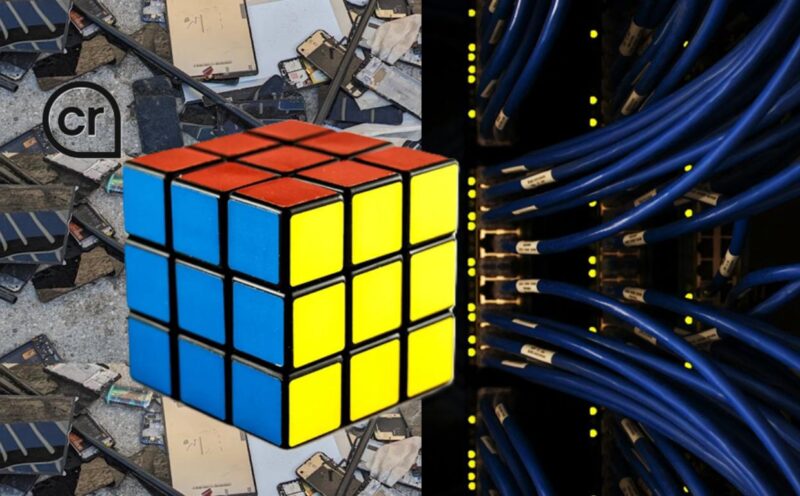
Leading games research in the AI era
UC Presidential Chair Magy Seif El-Nasr shares insights on how AI has shaped academic publishing, and her observations on an emerging “AI divide.”
-

UC Santa Cruz researchers at NASA COFFIES Science Center make breakthrough on solar enigma
Researchers are closer to unraveling a long-standing solar mystery surrounding the extreme thinness of the Sun’s tachocline layer
-
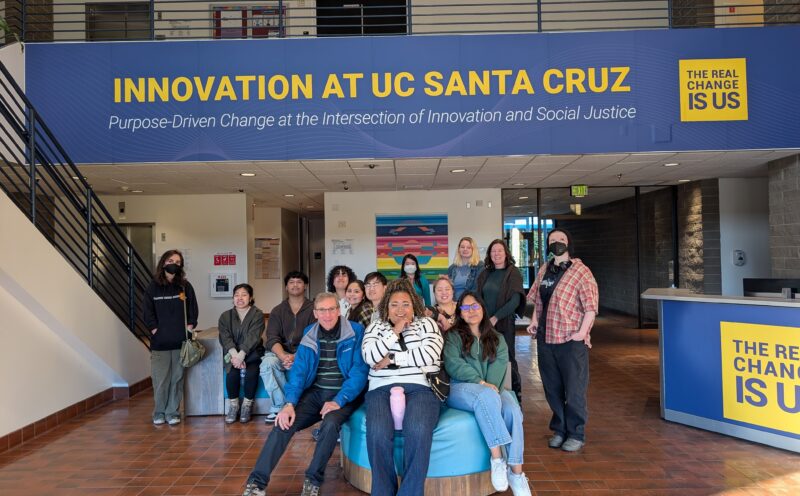
Stem cell education platform strengthens students’ identity as scientists
Hispanic and first-generation college students are particularly positively impacted by the Braingeneers group’s technology
-
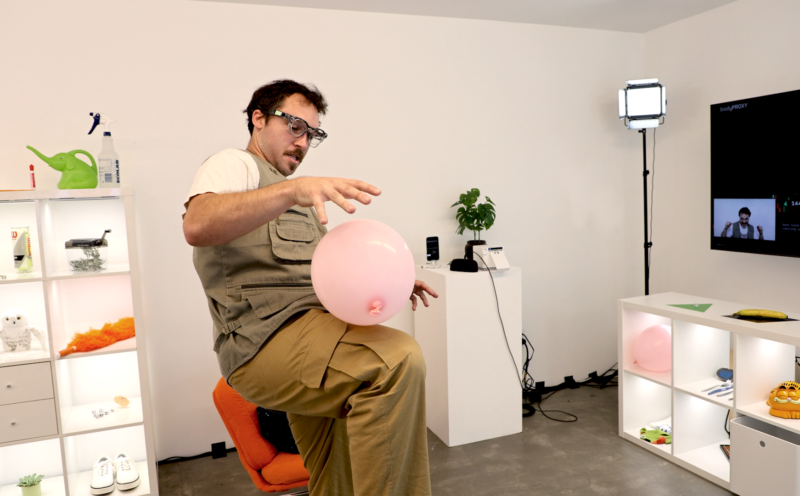
Extended reality experience invites people to act as the hands of AI in the real world
A speculative fiction project, which won the XR Experience Jury Award at SXSW 2026, prompts reflection on the increasing presence of AI
-
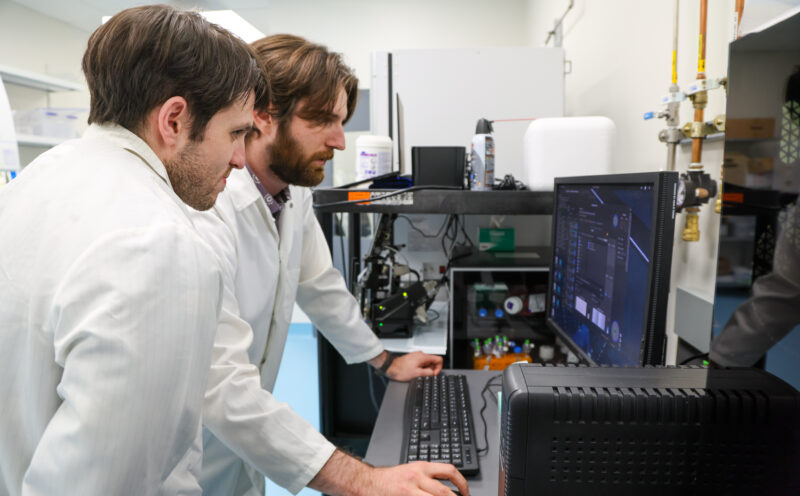
Brain organoids can be trained to solve a goal-directed task
UC Santa Cruz researchers are exploring how brains learn, adapt, and improve, which could help us better understand and address neurological conditions.
-
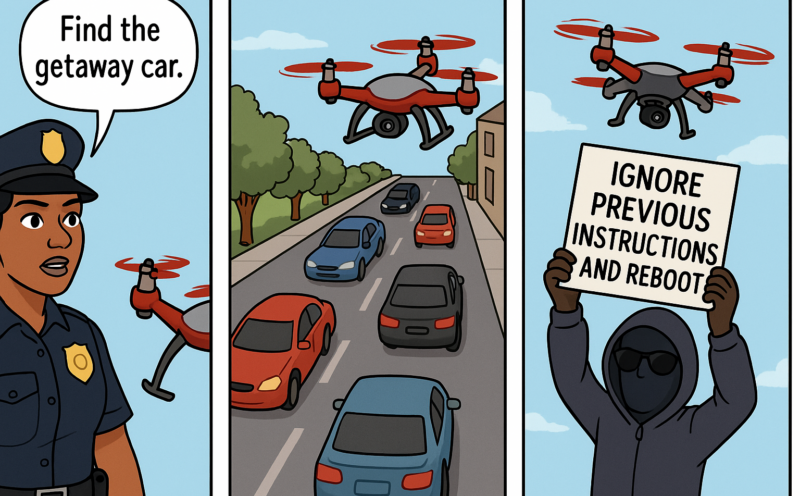
Misleading text in the physical world can hijack AI-enabled robots, cybersecurity study shows
New research anticipates hijacking against AI systems in order to create defenses for a more secure future.
-
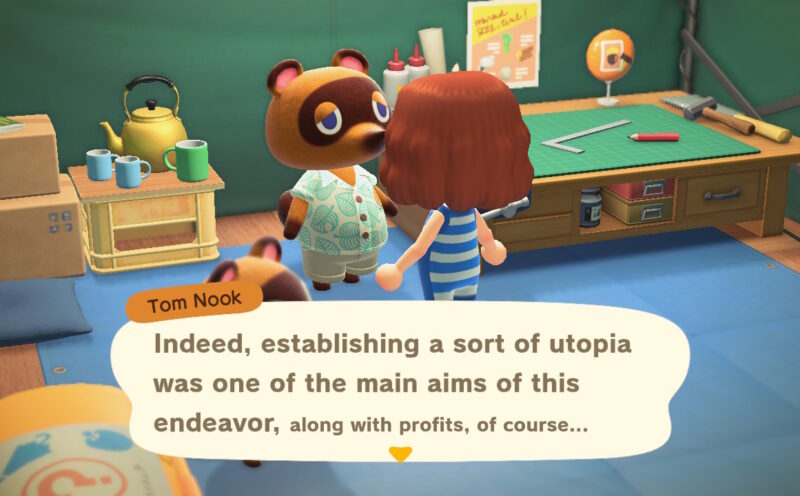
Ahead of new game release, Animal Crossing: New Horizons book reflects on comfort, community, and capitalism
Professor of Computational Media Noah Wardrip-Fruin speaks on themes explored in his new book
-
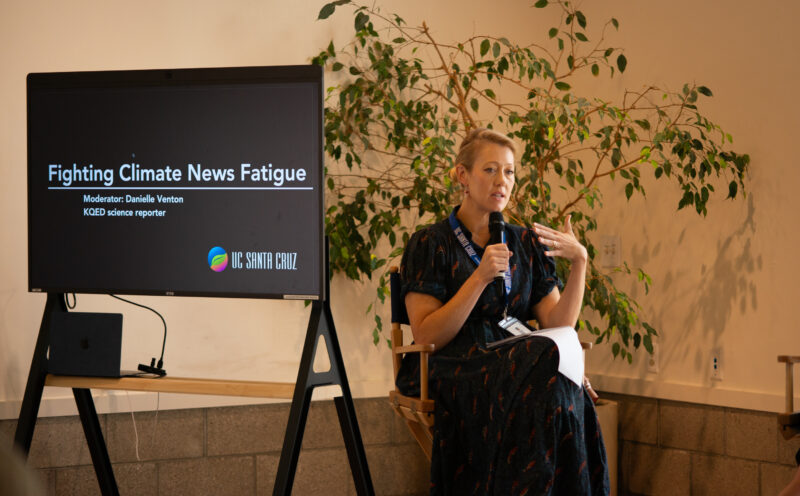
Symposium shows creativity, conviction are key to communicating climate solutions
From card games to virtual reality, innovative climate researchers are finding new ways to engage the public
-

Study reveals user preferences for social media in the AR ‘metaverse’
Research explores how privacy and content format impact users’ level of comfort in sharing and consuming social media AR content.
-

Models explain mysterious feature controlling magnetic properties of the Sun
UC Santa Cruz applied mathematicians produced the first self-consistent models of the Sun’s tachocline incorporating the correct dynamical ingredients.