BE-virtualenvironments
-

Models explain mysterious feature controlling magnetic properties of the Sun
UC Santa Cruz applied mathematicians produced the first self-consistent models of the Sun’s tachocline incorporating the correct dynamical ingredients.
-

Digital game demonstrates the power of religion for climate change education
‘Shloka’ uses Hindu deities, practices, and narratives to communicate the problems of climate change
-

Games promote preparedness and build community resilience to wildfire
UC Santa Cruz game makers invite users to test their safety instincts before disaster strikes
-

A fresh look at TikTok: short food videos encourage long-term healthy eating habits in teens
Research from UC Santa Cruz human-computer interactions scholars is revealing how online habits translate into offline actions
-

Workshop aims to create speech AI for all
Researchers are studying and seeking solutions to the technical and policy challenges of accessible speech AI
-

New eye-tracking VR experience, Face Jumping, wins XR Audience Award at SXSW
After debuting at South by Southwest (SXSW) 2025, Face Jumping won the conference’s XR Experience audience award among the 15 creators working at the intersection of technology and immersive art who participated in the XR Experience competition. Gorman presented the VR experience alongside her Tender Claws team, an independent art and creative studio that she…
-
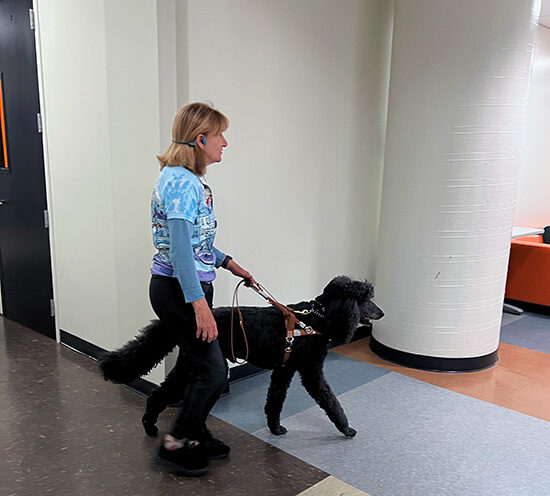
New apps will enable safer indoor navigation for blind people
Two new apps will enable blind people to navigate indoor buildings with spoken directions from a smartphone app, providing a safe method of wayfinding where GPS doesn’t work.
-
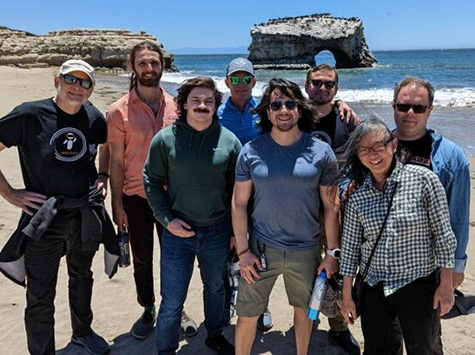
UCSC alumni awarded large NSF grant to grow virtual reality physical rehabilitation startup Immergo Labs
The National Science Foundation awarded three Baskin Engineering alumni with a $1,000,000 Small Business Innovation Research grant to support the research and development of an extended reality platform for full-body physical rehabilitation.
-
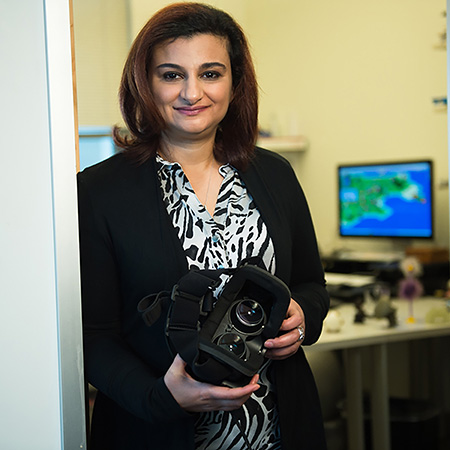
Magy Seif El-Nasr appointed the UCSC Presidential Chair
Department Chair and Professor of Computational Media Magy Seif El-Nasr as the University’s next Presidential Chair to lead three initiatives related to AI and education.
-

‘Digital twins’ project will help clean up space junk, repair and decommission spacecrafts
Professor of Electrical and Computer Engineering Ricardo Sanfelice and a team of researchers have been awarded $2.5M to model complex aerospace engineering problems.