jxp
-

A starquake 10 billion years ago may have just sent a flash to Earth
“A fast radio burst is almost like a cosmic flashlight,” said co-author J. Xavier Prochaska of the University of California, Santa Cruz, in a statement. “It lights up everything along the path.” Additional coverage by Earth.com, NDTV, Science Alert, and Big Island Now.
-
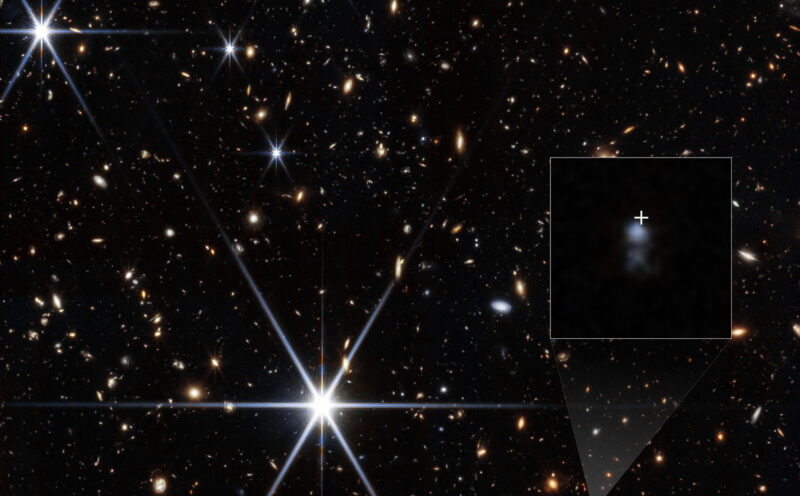
Astronomers use Webb telescope to pinpoint host galaxy of the most distant fast radio burst to date
Originating just 3 billion years after the Big Bang, the record-setting burst was localized with key contributions from UC Santa Cruz collaborators.
-

Astrophysicists win AI grant for ‘Holy Grail’ project to automate laborious calibration process
Anthropic’s AI for Science Program has awarded the UC Santa Cruz team nearly $50,000 in API credits to fund the development of an automated wavelength-calibration algorithm for astronomical spectra.
-

California professor: AI surpassed me as a scientist. What now?
Op-ed by J. Xavier Prochaska, distinguished professor of astronomy and astrophysics at UC Santa Cruz
-

A student’s trajectory from Tanzania and transformation into a scientist
On its 150th anniversary, Lick Observatory draws on its legacy of pioneering research to continue producing the next generation of scientific instruments, techniques, and astronomers
-

Opinion: We’re scientists. We use AI. And we fear it.
Opinion piece by UC Santa Cruz Professors J. Xavier Prochaska and David Haussler issuing a stark warning about the rapid advancement of artificial intelligence, along with a call for urgent global cooperation to ensure that technology remains a tool for human benefit rather than a force for societal displacement. Also in the East Bay Times…
-
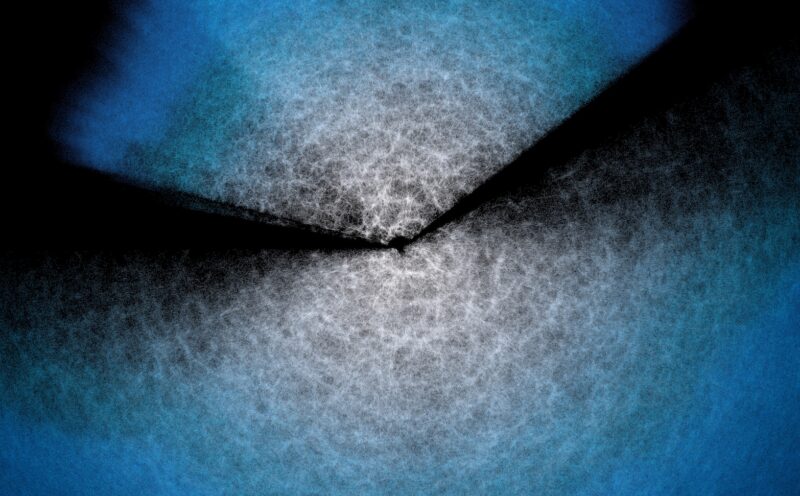
DESI collaboration to receive 2026 Berkeley Prize from AAS
The American Astronomical Society award recognizes the potentially paradigm-shifting work of the Dark Energy Spectroscopic Instrument (DESI) collaboration
-
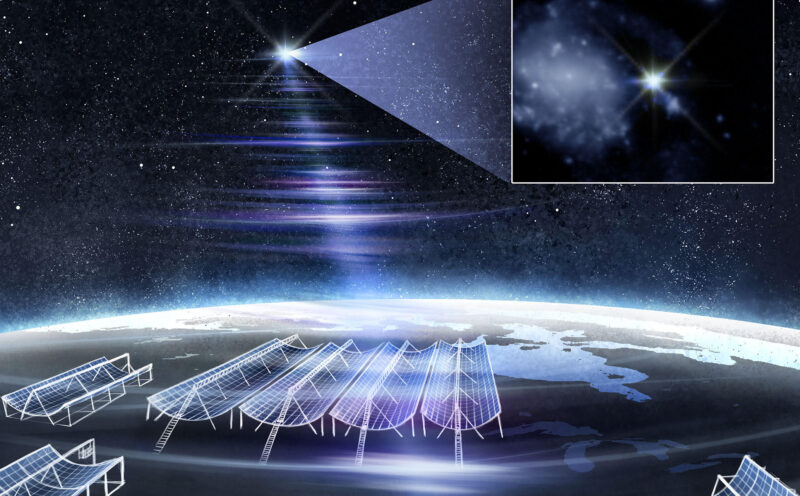
Brightest fast radio burst ever seen lets researchers pinpoint origin with unprecedented precision
Researchers use newly deployed ‘CHIME Outrigger’ telescopes and deep-space imaging to challenge long-held assumptions about what causes these mysterious cosmic signals