Author: Mike Peña
-
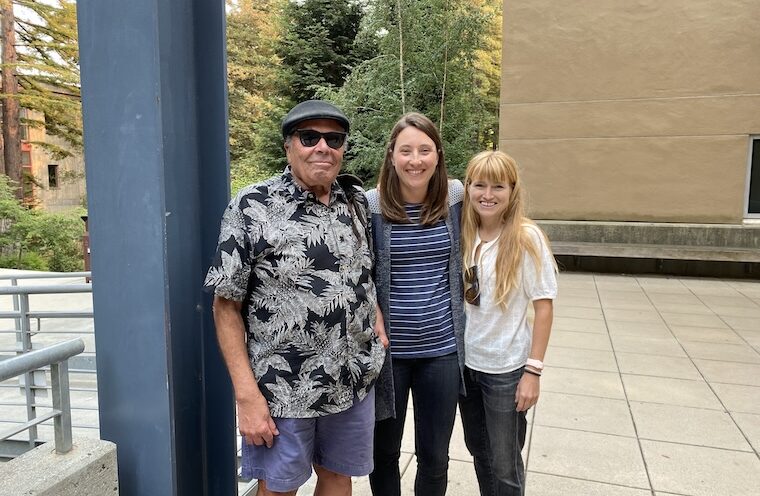
UC Santa Cruz professor honored by American Chemical Society for natural-products discovery
Phil Crews, distinguished research professor of chemistry and biochemistry, is being honored by the American Chemical Society for outstanding work in the analysis, structural elucidation, and chemical synthesis of natural products.
-

Bear DNA study to measure impact of conservation actions on genetic diversity
The National Science Foundation will fund research at UC Santa Cruz that will examine the DNA of brown bears in the lower 48 states, where the iconic beast’s numbers have seen catastrophic declines over the last century.
-
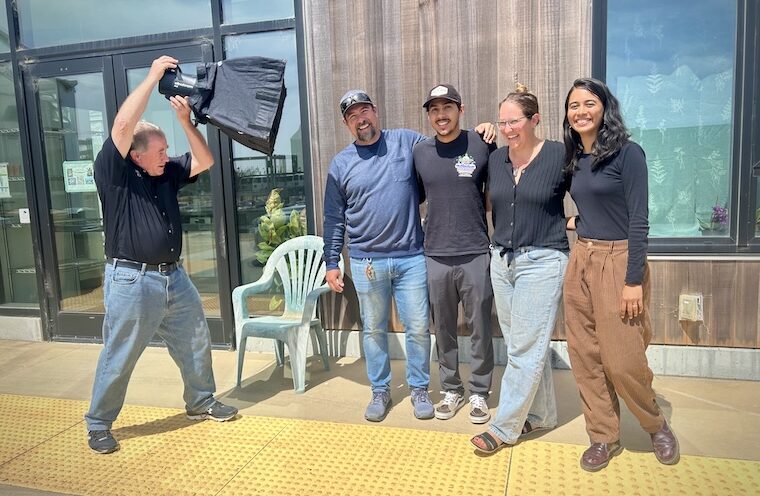
Endangered Santa Cruz salamander featured in National Geographic photo project
National Geographic Explorer and photographer Joel Sartore visited the Coastal Science Campus to take pictures of the Santa Cruz long-toed salamander, one of many endangered species that UC Santa Cruz researchers are working hard to save.
-
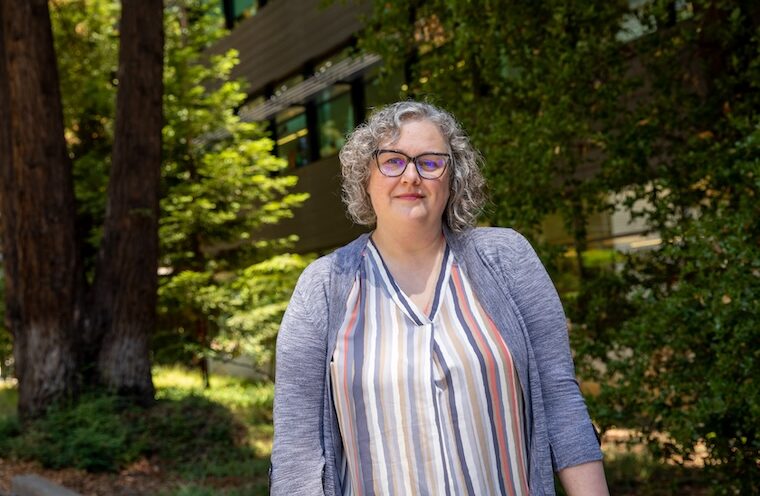
Biochemist Carrie Partch selected as Howard Hughes Medical Institute investigator
Carrie Partch, professor of chemistry and biochemistry at UC Santa Cruz, is among 26 top scientists chosen by the Howard Hughes Medical Institute (HHMI) to be HHMI investigators and receive the support needed to move their research in creative new directions and make groundbreaking discoveries.
-
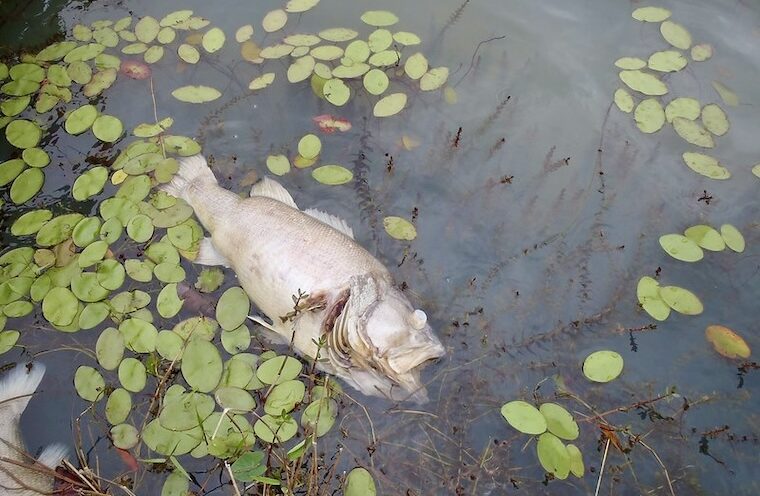
Loss of oxygen in lakes and oceans another sign of Earth systems under strain
New essay co-authored by UC Santa Cruz researcher says aquatic deoxygenation is intertwined with climate change and other ‘planetary boundary’ processes
-
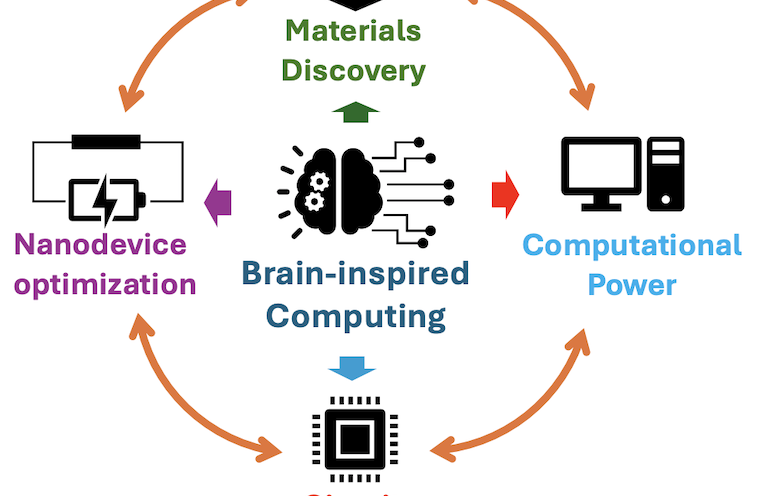
Students across the region invited to help shape the future of semiconductors
As AI weaves itself into more areas of life, scientists and engineers at UC Santa Cruz have come together to develop a better component that serves as the “neuron” in brain-inspired computing. The imperative to make such processing much more energy efficient, and faster, means that those who can design and build these next-generation devices…
-

UC Santa Cruz astrophysicists honored for advancing research on the mysterious FRB
Fast radio bursts are sudden flashes of radio waves coming from random parts of the sky. Each one is on only for a few milliseconds, but they are extraordinarily bright: In those few milliseconds, some can put out more energy than our sun does in an entire year.
-
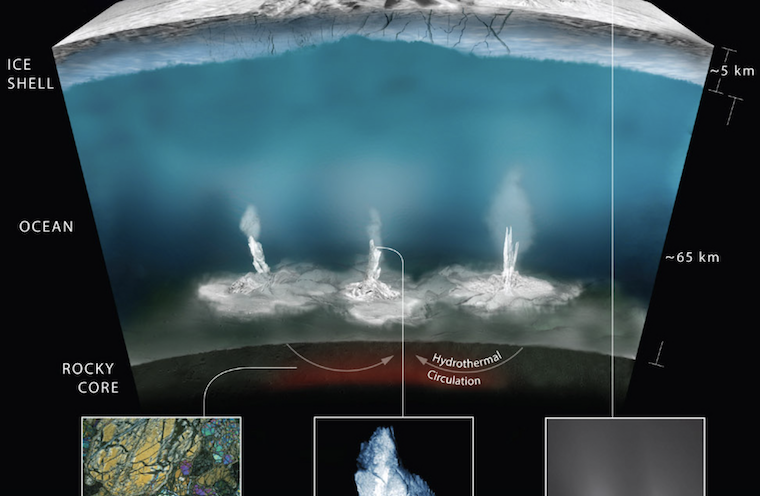
Hydrothermal vents on seafloors of ‘ocean worlds’ could support life, new study says
Many lines of research suggest that some ocean worlds release enough heat internally to drive hydrothermal circulation under their seafloors. This heat is generated by radioactive decay, as occurs deep in the Earth, with additional heat possibly generated by tides.
-

Ph.D. student leads effort to open Kosovo’s first observatory
Earth’s newest observatory will open to the public on June 20, 2024, coinciding with the summer solstice, thanks in large part to a UC Santa Cruz student from Kosovo who discovered her love of astronomy as a child amidst the chaos of the country’s brutal war for independence over 20 years ago.
-
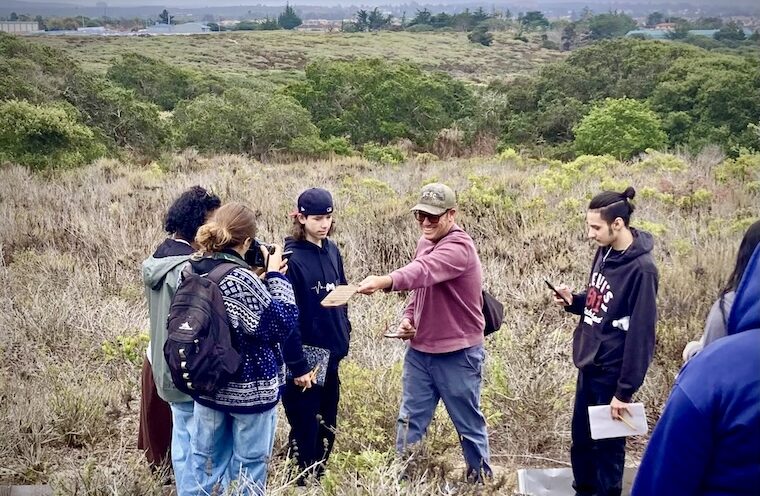
Fort Ord reserve inspires youth to consider careers in natural science, conservation
As the only full-time staff member at UC Santa Cruz’s Fort Ord Natural Reserve, Director Joe Miller doesn’t need to create more work for himself. And yet, he’s managed to do just that by successfully partnering with a nearby charter high school that brings students onto the 610-acre property to teach them about local natural…
-

Earliest, most distant galaxy discovered with James Webb Space Telescope
An international team of astronomers today announced the discovery using NASA’s James Webb Space Telescope (JWST) of the two earliest and most distant galaxies yet confirmed, dating back to only 300 million years after the Big Bang.
-
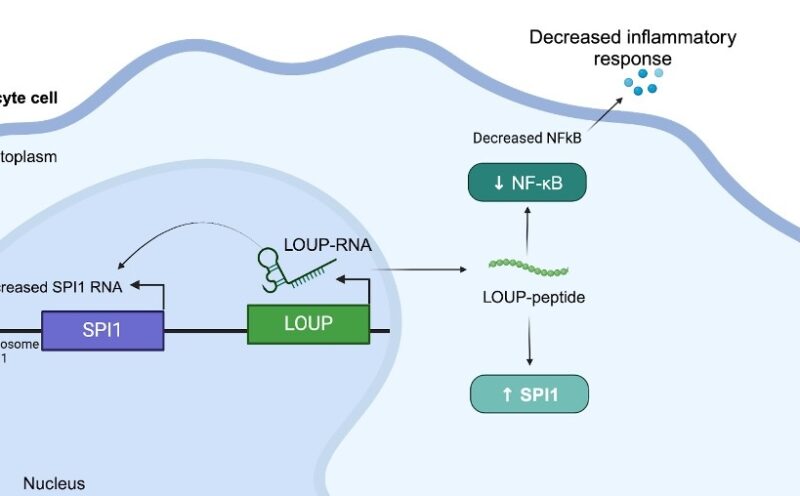
New study discovers tiny target on RNA to short-circuit inflammation
UC Santa Cruz researchers have discovered a peptide in human RNA that regulates inflammation and may provide a new path for treating diseases such as arthritis and lupus. The team used a screening process based on the powerful gene-editing tool CRISPR to shed light on one of the biggest mysteries about our RNA.