Mike Peña
-
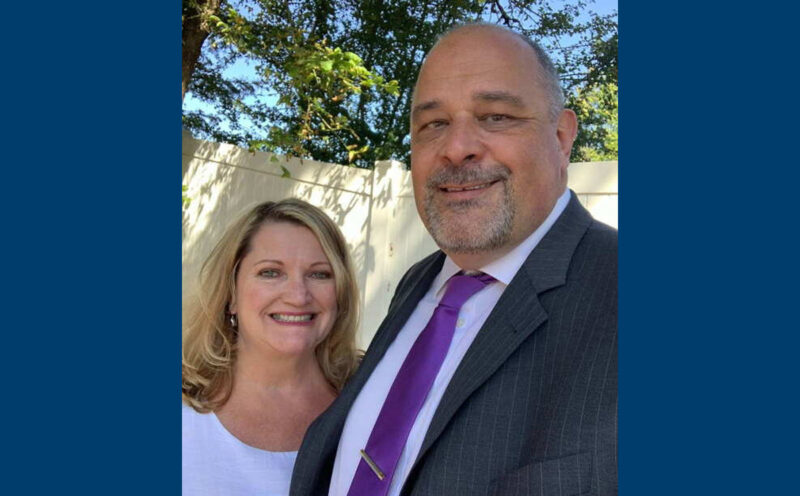
New Physics Department professorship reflects an engineer’s love of science and his spouse
Bruce Schumm is the inaugural Darrell D.E. Long and Elaine N. Long Family Professor in Experimental Physics
-

Protecting NASA funding ensures breakthroughs in space science and benefits in daily life continue
From GPS to innovations in computing and optics, technologies developed for space research touch nearly every aspect of modern life
-
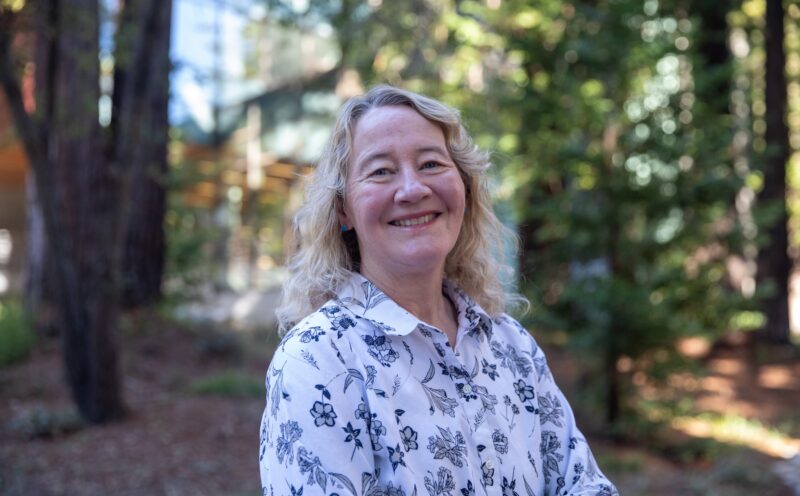
Carol Greider receives American Cancer Society Professor Award
The award includes a grant that will support Greider’s research that advances her Nobel-winning discovery of the DNA caps at the ends of chromosomes called telomeres
-
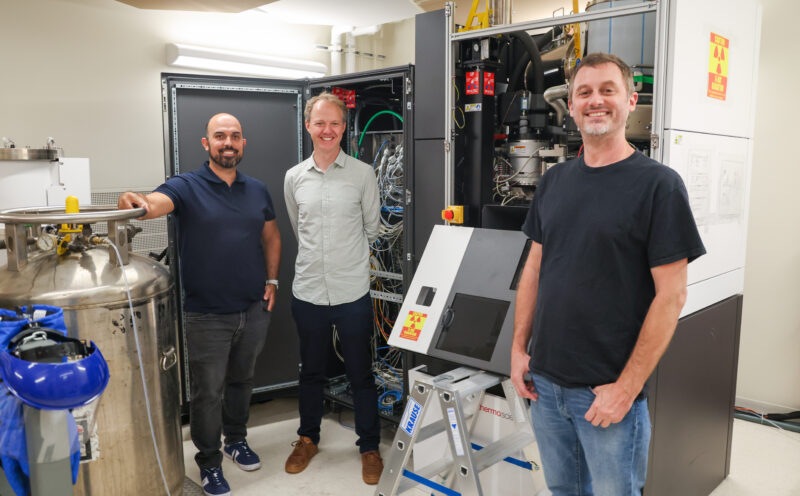
New international collaboration poised to unlock more health-related discoveries
UC Santa Cruz removes geographic barriers and reduces costs with widened access to powerful Biomolecular cryoEM Facility
-
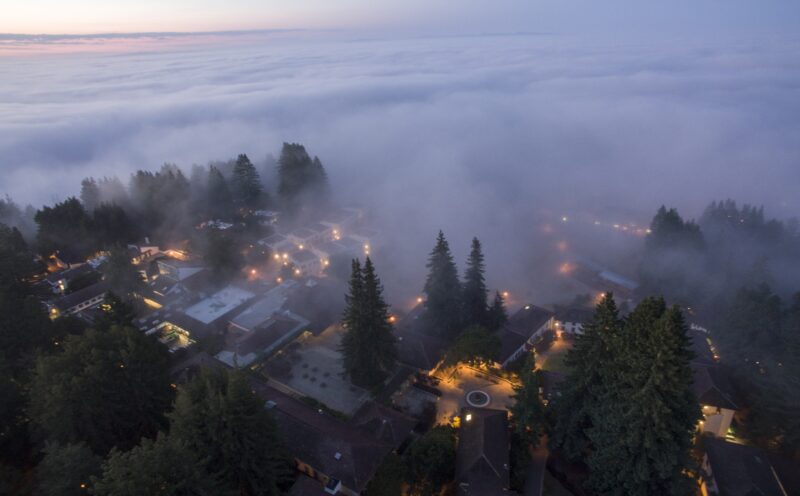
UC Santa Cruz researchers win funds to characterize makeup of Pacific coastal fog
Multi-institute project aims to enhance society’s ability to manage coastal resources and steward coastal ecosystems in a changing climate
-
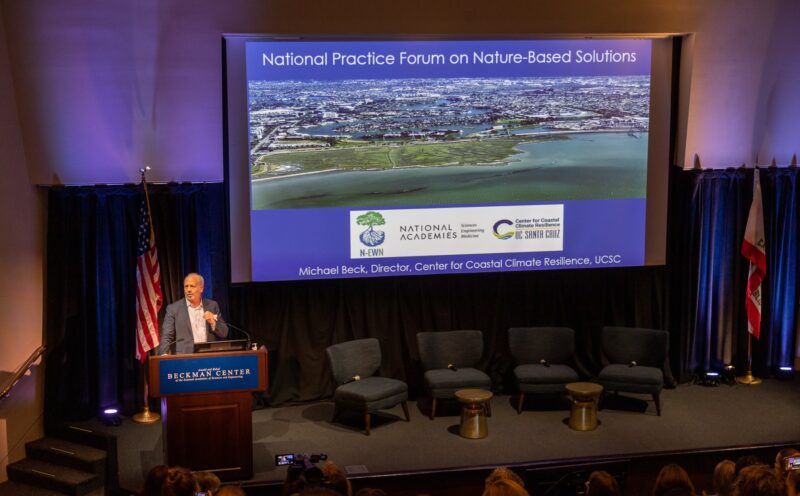
Sign up for new symposium on communicating climate solutions
Amid polarized discourse on climate change and science, trusted communicators in communities may be key to discussing solutions
-
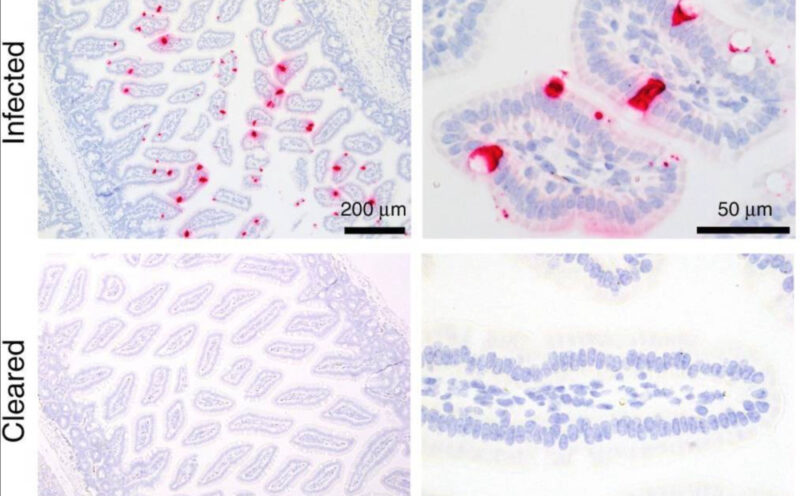
Basic virology research important for childhood health to continue with new NIH funding
The Cortez Lab at UC Santa Cruz studies mucosal microbiology and immunology, with research focused on astroviruses
-
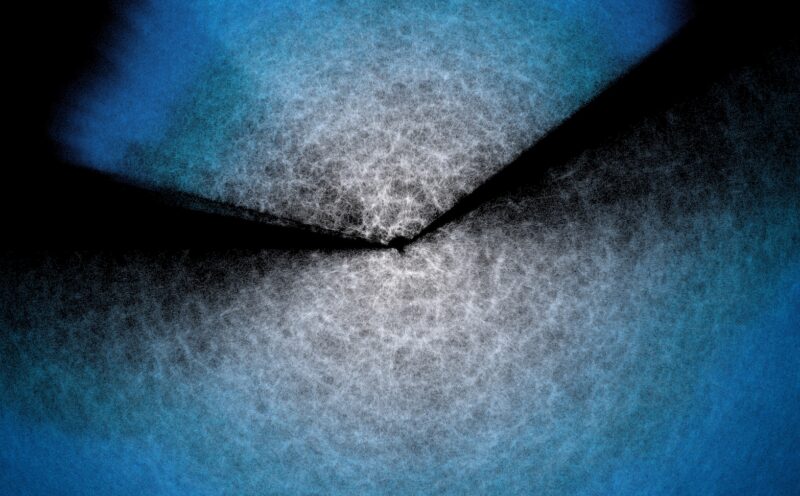
DESI collaboration to receive 2026 Berkeley Prize from AAS
The American Astronomical Society award recognizes the potentially paradigm-shifting work of the Dark Energy Spectroscopic Instrument (DESI) collaboration
-
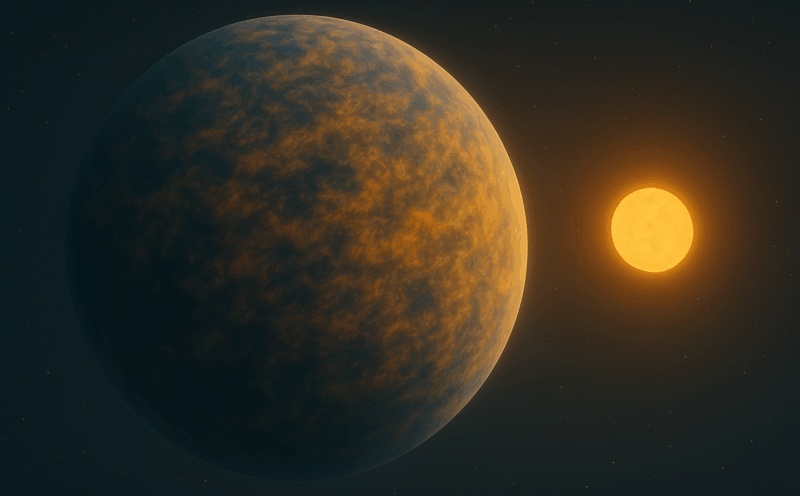
New model aims to demystify ‘steam worlds’ beyond our solar system
Water-rich exoplanets known as sub-Neptunes may indicate where life exists elsewhere in the universe
-
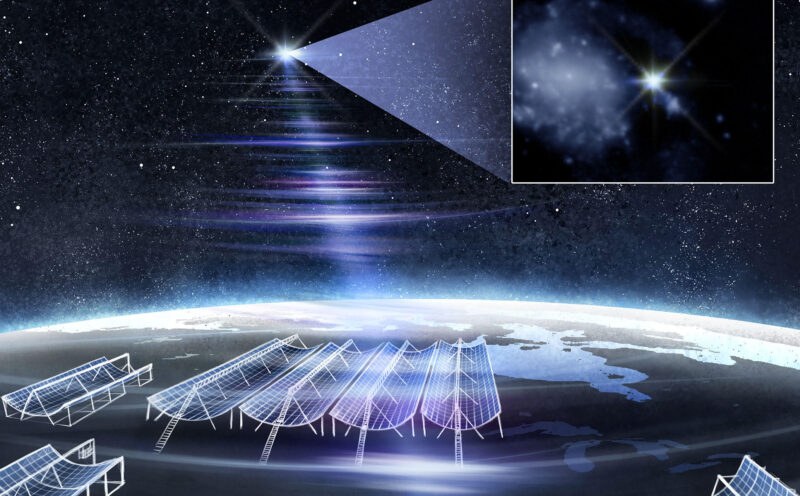
Brightest fast radio burst ever seen lets researchers pinpoint origin with unprecedented precision
Researchers use newly deployed ‘CHIME Outrigger’ telescopes and deep-space imaging to challenge long-held assumptions about what causes these mysterious cosmic signals
-

New program to train U.S. college students from all backgrounds to be conservation leaders
$1 million from Cedar Tree Foundation will fund a conservation-leadership academy to continue the work of the Doris Duke Conservation Scholars program at UC Santa Cruz
-

UC Santa Cruz-based survey uses AI to spot explosive stellar death by black hole
Machine learning enables real-time detection of fleeting anomalies before they fade away