Mike Peña
-

Upasna Sharma wins McKnight Foundation neurobiology award to study how paternal stress impacts offspring health
Just four research projects nationwide won the 2025 award
-

Here’s how we help an iconic California fish survive the gauntlet of today’s highly modified waterways
New ‘facilitated migration’ framework gives water managers a playbook for getting more juvenile Chinook salmon from the Central Valley to the sea
-

New software promises to make precision genome editing with CRISPR accessible to more researchers
Integration into widely used UCSC Genome Browser makes tool available to entire life-sciences community
-

Eric Palkovacs appointed new director of Institute of Marine Sciences
The professor of ecology and evolutionary biology is also UC Santa Cruz’s associate vice chancellor for research and director of the Fisheries Collaborative Program
-

Enrico Ramirez-Ruiz named president of Astronomical Society of the Pacific
UC Santa Cruz astrophysicist is the first Latino president in society’s 135-year history
-

Revolutionary Rubin Observatory debuts with first images taken by world’s largest camera
UC Santa Cruz researchers have made key contributions to the 20-year collaboration
-
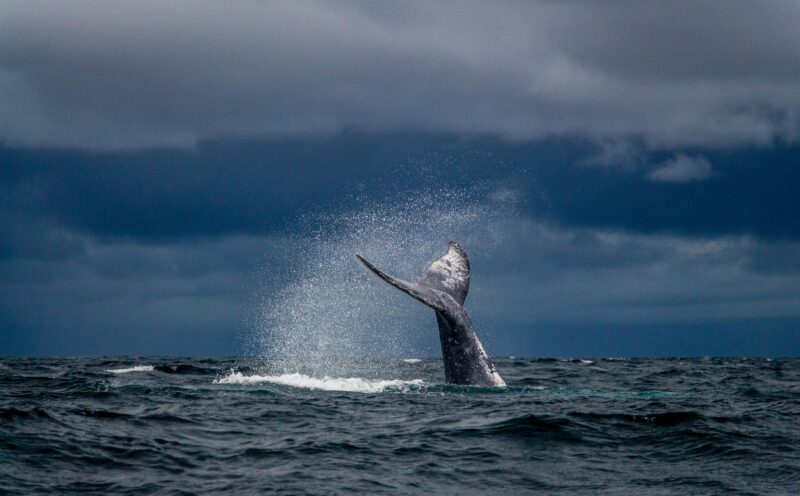
UN-backed research team shows benefits of tracking ocean giants for marine conservation
UC Santa Cruz experts and vast data sets on marine mammals contributed to new report
-
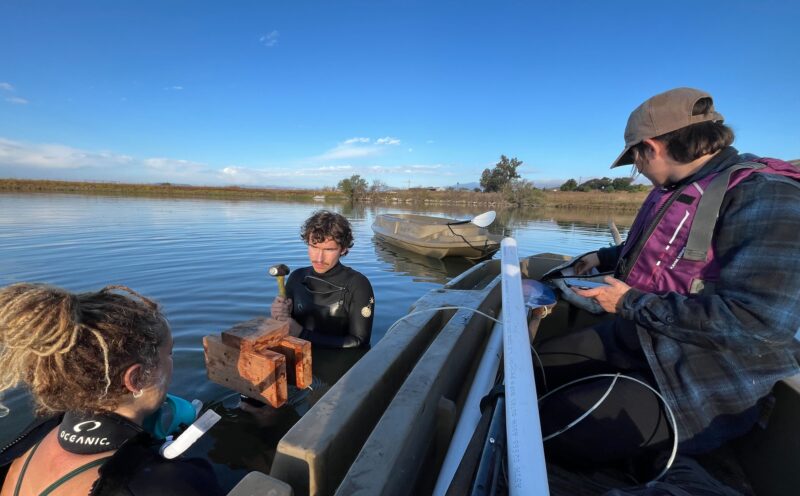
Digital platform for tracing DNA of rare species, pathogens in environment comes to Canada
UC Santa Cruz’s eDNA Explorer secures $1 million to bring ecosystem-assessment tool to British Columbia
-

James Webb telescope confirms cooling effects of Pluto’s haze
New study in Nature Astronomy affirms hypothesis made by UC Santa Cruz’s Xi Zhang in 2017
-

Following Late Pleistocene horse migration toward our sustainable future
Cutting-edge UC Santa Cruz Paleogenomics Lab was key to genetically tracing mass movements long ago
-
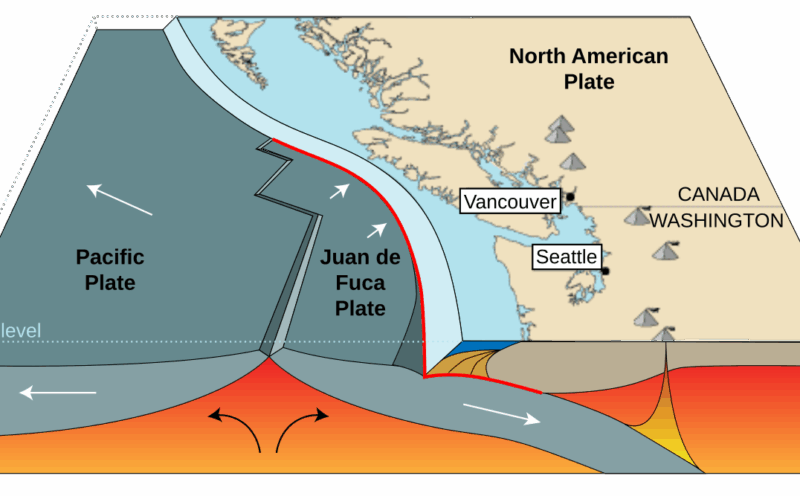
The ripple effect of small earthquakes near major faults
Minor quakes can disrupt natural tectonic patterns deep underground and change stress landscape, new study finds
-
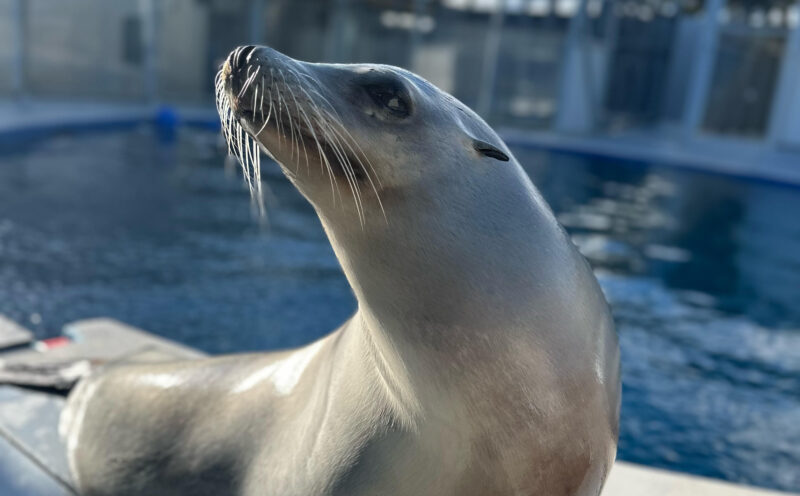
Rhythmically trained sea lion returns for an encore—and performs as well as humans
Ronan, the only non-human mammal to demonstrate highly precise beat keeping, continues to challenge our understanding of biomusicality