Author: Mike Peña
-

Following Late Pleistocene horse migration toward our sustainable future
Cutting-edge UC Santa Cruz Paleogenomics Lab was key to genetically tracing mass movements long ago
-
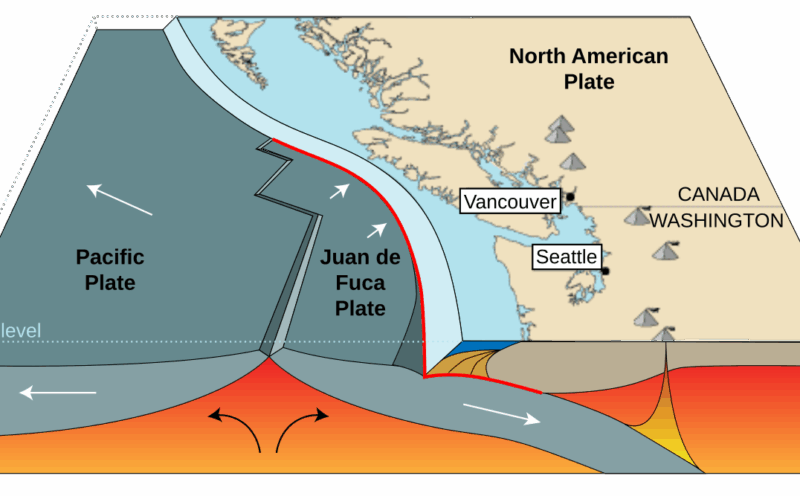
The ripple effect of small earthquakes near major faults
Minor quakes can disrupt natural tectonic patterns deep underground and change stress landscape, new study finds
-
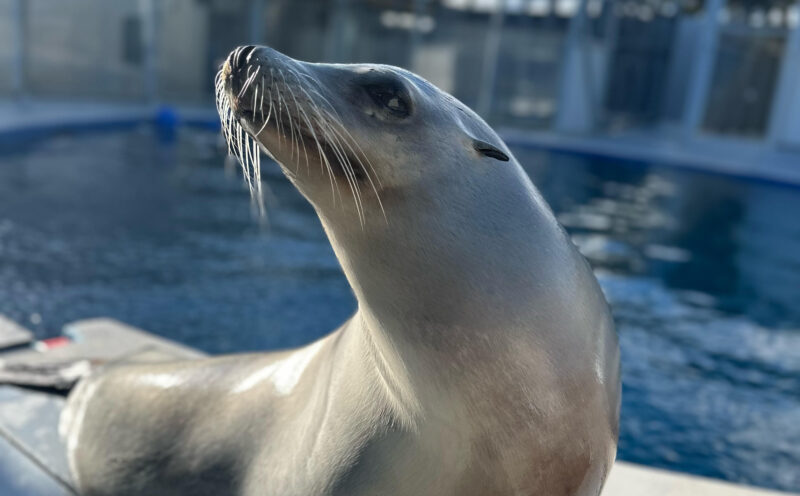
Rhythmically trained sea lion returns for an encore—and performs as well as humans
Ronan, the only non-human mammal to demonstrate highly precise beat keeping, continues to challenge our understanding of biomusicality
-
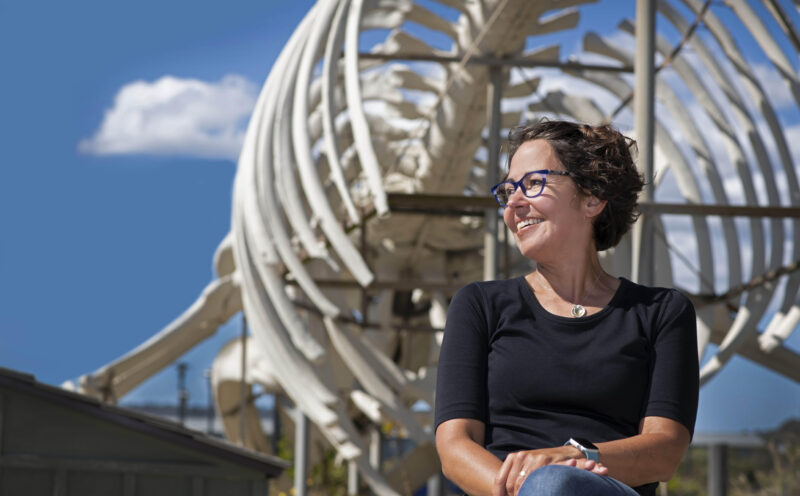
Acclaimed evolutionary biologist Beth Shapiro elected to National Academy of Sciences
The academy provides science, engineering, and health-policy advice to the federal government and other organizations.
-

Science Division staff honored with new award for outstanding service, dedication
Jeannette Peters, Patti Schell, and Deana Tanguay share division’s first Outstanding Staff Award
-

Cell biologist discovers two proteins are key to proper transfer of genetic material
New study from Bhalla Lab shows how trait inheritance, human health, and evolution lie in the balance
-

UC Santa Cruz researchers honored in Hollywood style at Breakthrough Prize ceremony
Rebecca Jensen-Clem and researchers at Santa Cruz Institute for Particle Physics presented with lucrative awards nicknamed the ‘Oscars of Science’ on April 5
-
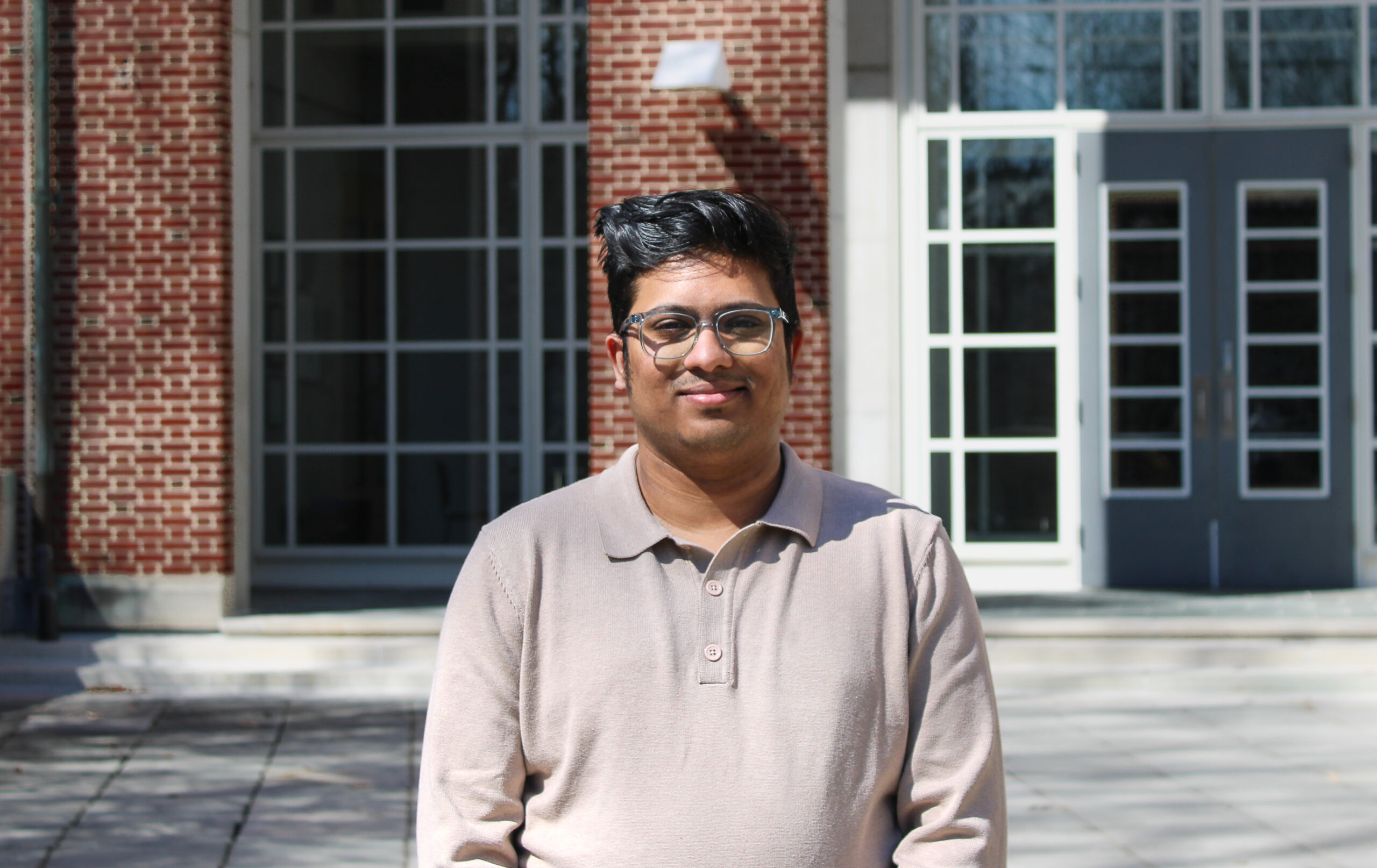
Astronomy Ph.D. candidate researching mysteries of sub-Neptune planets wins fellowship
Sagnick Mukherjee will continue his work with generous support from the Heising-Simons Foundation
-

Three UC Santa Cruz faculty members named 2024 AAAS fellows
David Deamer, Theodore Holman, and Raphael Kudela awarded lifetime honor
-

Long-accepted theory explaining the nature of our universe may need updating, new analysis indicates
New results from Dark Energy Spectroscopic Instrument hint that the influence of mysterious force driving universe’s accelerating expansion may change over time
-
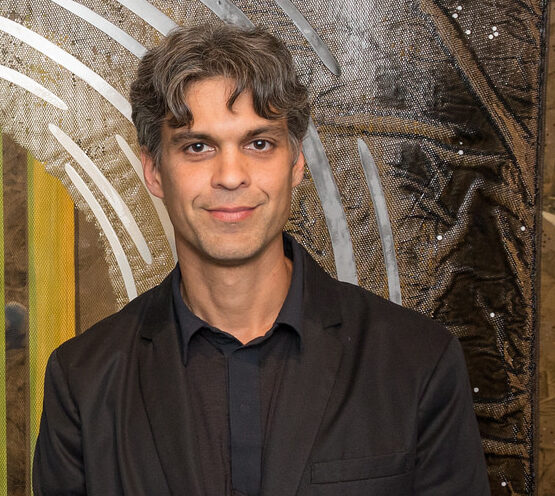
Research Corporation for Science Advancement honors Enrico Ramirez-Ruiz
Enrico Ramirez-Ruiz has been named a recipient of the Research Corporation for Science Advancement’s (RCSA) Robert Holland Jr. Award, which honors outstanding contributions to research, leadership, and mentorship in the sciences.
-
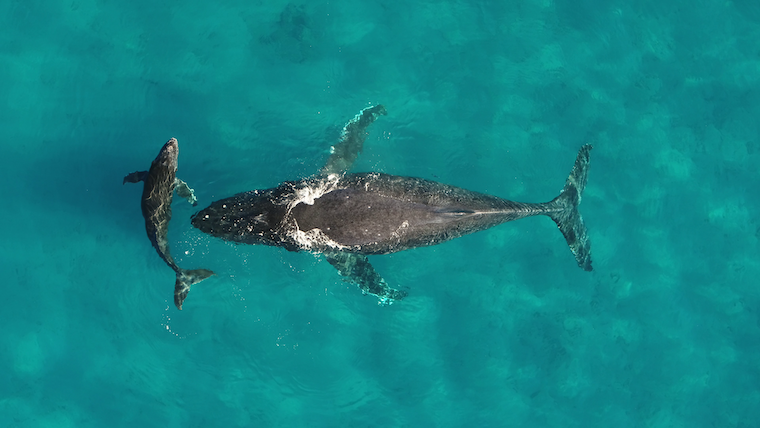
Whale waste helps health of oceans by funneling nutrients to the tropics, new study shows
New research shows that whales move nutrients thousands of miles—in their pee and poop—from as far as Alaska to Hawaii, supporting the health of tropical ecosystems and fish. UC Santa Cruz professors Dan Costa and Ari Friedlaender contributed their marine-mammal expertise to the study, which was published on March 10 in the journal Nature Communications.