Office of Research
-

Oldest DNA sequences reveal how mammoths evolved
Analysis of ancient DNA sequences recovered from mammoth teeth reveal North American mammoths were descended from two earlier mammoth lineages.
-
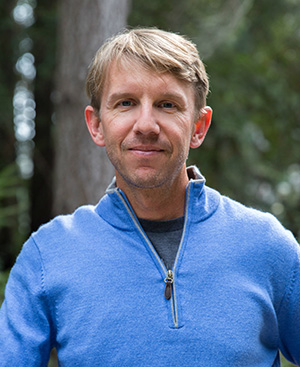
Astronomer J. Xavier Prochaska honored for top research paper in Science
J. Xavier Prochaska, distinguished professor of astronomy and astrophysics at UC Santa Cruz, and his coauthors of a landmark paper describing a fast radio burst from a massive galaxy have been chosen to receive the prestigious AAAS Newcomb Cleveland Prize.
-
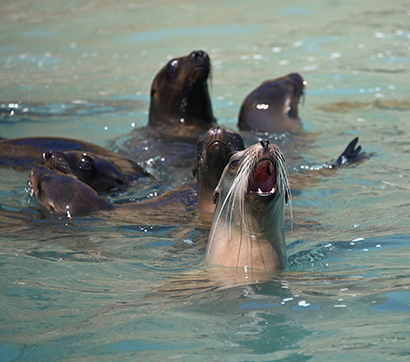
Healthy oceans need healthy soundscapes, say marine scientists
A global team of researchers has documented the pervasive impacts of noise on marine animals and ecosystems and identified actions to return to the soundtrack of the healthy ocean.
-

Rob Fairlie testifies before Congress on inequality in pandemic economic impacts
Rob Fairlie testified before the House Committee on Small Business to share his latest research on the economic impacts of the coronavirus pandemic, including the disproportionate hardships faced by minority-owned businesses.
-
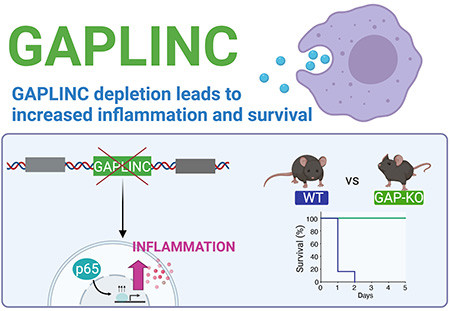
Noncoding RNA has surprising effects on immune response and sepsis, study finds
A long noncoding RNA regulates the expression of inflammatory genes and has a surprising effect on vulnerability to septic shock in mice.
-

UCSC awarded National Endowment for the Humanities grants to support faculty research
UC Santa Cruz has received two grants from the National Endowment for the Humanities (NEH) to support faculty research and writing leading to book projects.
-
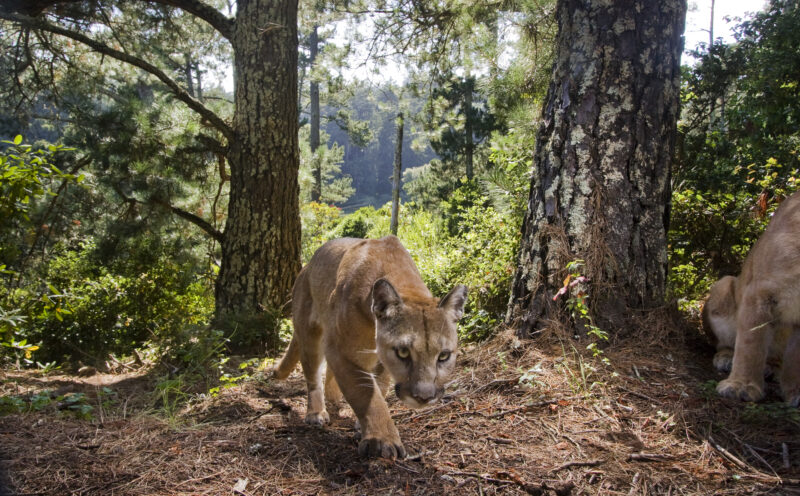
Energy spent avoiding humans linked to smaller home ranges for male pumas
New research shows that fear of humans causes mountain lions to increase their energy expenditures as they move through the landscape, and this can ultimately limit the size of the home ranges they’re able to maintain.
-

New book by arts professor takes fresh look at controversial photographer Robert Mapplethorpe
UCSC history of art and visual culture professor Derek Conrad Murray offers the first dedicated book-length critical study of Mapplethorpe’s lesser-known still life flower photographs.
-

Grant funding will advance aquaculture research in UCSC’s new state-of-the-art facility
Researchers won a USDA grant in support of their efforts to develop ocean-friendly feed formulas for farm-raised rainbow trout. This work will take place in the team’s new aquaculture facility at the UCSC Farm.
-
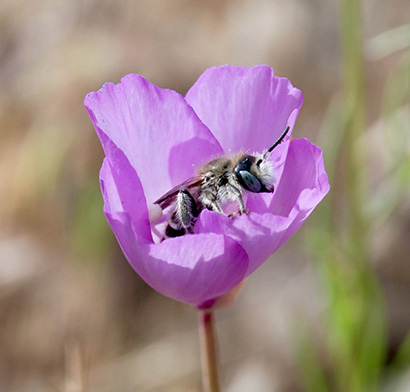
Study of flowers with two types of anthers solves mystery that baffled Darwin
Some flowers use a clever strategy to ensure effective pollination by bees, doling out pollen gradually from two different sets of anthers.
-

New analysis highlights importance of groundwater discharge into oceans
A global assessment of the impact of groundwater on ocean chemistry is important for understanding the weathering of rocks and its effects on climate.
-
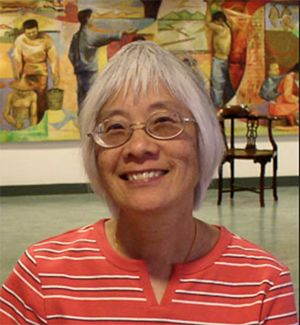
UC Santa Cruz scholar of Chinese American history Judy Yung dies at 74
Judy Yung, a pioneering author and scholar of Chinese American and women’s history, died on December 14, 2020.