Science
-

Seymour Center director to retire
During Julie Barrett Heffington’s 21-year term as director, the center has established widely appreciated public programs and served nearly 1.5 million visitors
-

Hellman Fellows Program and UC announce $125 million commitment to faculty research
The Hellman Fellows Program and the University of California announced a plan to permanently support the Hellman Fellows Program on all 10 campuses in the UC system.
-

Evidence supports ‘hot start’ scenario and early ocean formation on Pluto
A new study suggests that Pluto and other large Kuiper belt objects started out with liquid oceans which have been slowly freezing over time.
-
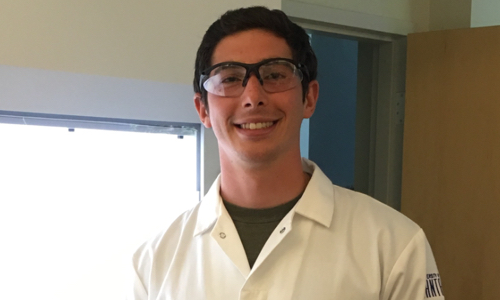
Steck Award recipient helps discover protein involved with circadian clock timing
Afred Freeberg assisted the Partch lab in studying the molecular basis for circadian rhythms – biological processes that occur naturally in line with the Earth’s 24-hour daily rotation cycle.
-
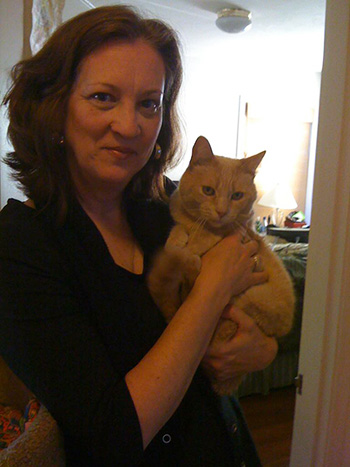
In Memoriam: Maria Kerschen (1955–2020)
Maria Kerschen, who retired as assistant dean of planning and resource management from the Division of Physical and Biological Sciences, passed away on May 22 in Eugene, Oregon.
-
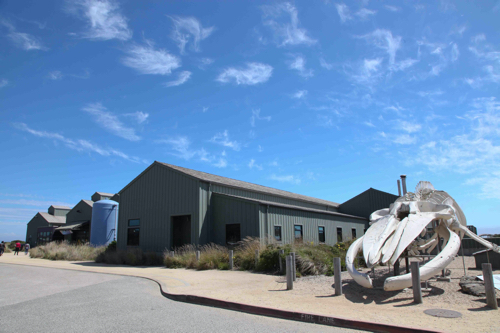
Seymour Center taking a fresh look at visitor experience
The center was already planning a refresh this year. Now, in the midst of a global pandemic, the center is set to answer even bigger questions.
-

New method predicts spin dynamics of materials for quantum computing
A universal first-principles approach will accelerate the identification and design of materials for quantum information science and other spintronics applications.
-
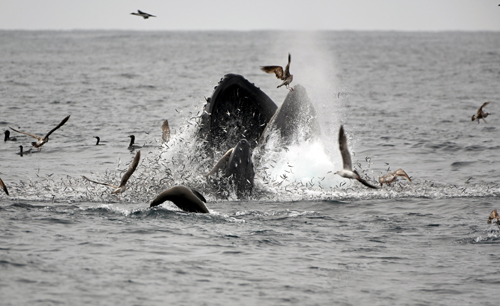
NOAA funds new Cooperative Institute for Marine, Earth and Atmospheric Systems
CIMEAS supports the ongoing collaboration between UC Santa Cruz and the National Marine Fisheries Service Southwest Fisheries Science Center.
-
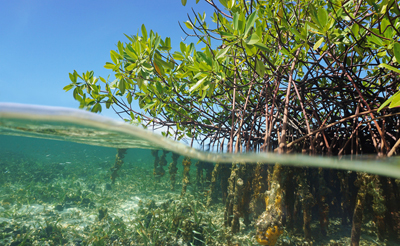
Two vital buffers against climate change are just offshore
A new study underscores the need to conserve and restore mangroves and coral reefs for coastal protection.
-
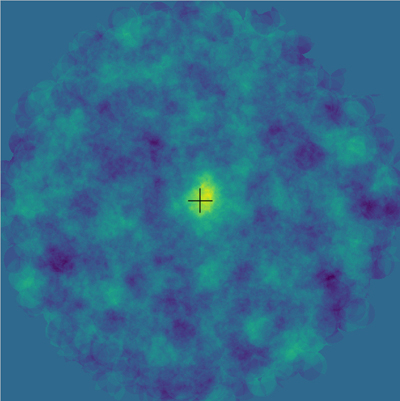
Detection of Crab Nebula shows viability of innovative gamma-ray telescope
A new prototype telescope opens doors for future discoveries at the upcoming Cherenkov Telescope Array.
-
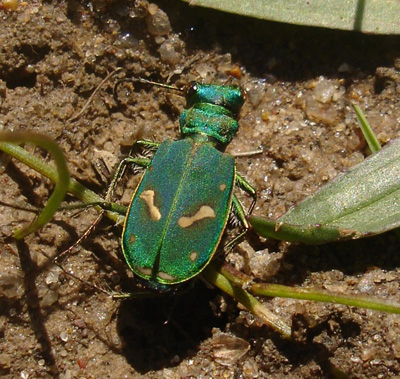
Emerald predators: Ohlone tiger beetles reclaim territory with the help of local scientists
U.S. Fish and Wildlife Service biologists released 43 Ohlone tiger beetles to a new home in Santa Cruz County earlier this year with the help of UC Santa Cruz students and reserve managers
-

Physicist Tesla Jeltema wins Mentorship Award from American Physical Society
An accomplished astrophysicist, Jeltema is also a champion for diversity and a dedicated supporter of students at all levels.