Science
-

County, UCSC partner to expand local testing capacity
UC Santa Cruz has received CARES Act funds from Santa Cruz County to enable the purchase of new equipment for the UCSC Molecular Diagnostic Lab.
-
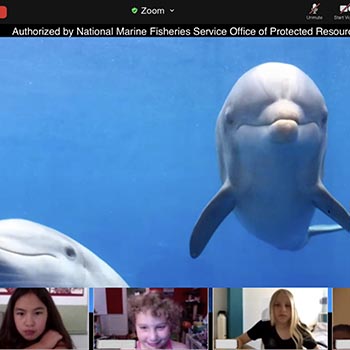
Going with the flow—famed Ocean Explorers Summer Camp heads online
COVID-19 compelled the Seymour Marine Discovery Center to take its popular Ocean Explorers Summer Camp virtual after running the program in person for 21 years—a successful experiment that presented both challenges and opportunities.
-
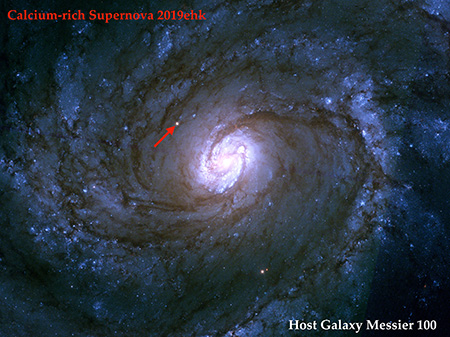
Calcium-rich supernova examined with x-rays for first time
An international team has obtained unprecedented observations of a rare calcium-rich supernova.
-

Influential marine biologist John Pearse dies at 84
A leading authority on marine invertebrates and intertidal ecology, Pearse was a beloved teacher and mentor to generations of marine biologists.
-

New study shows retreat of East Antarctic Ice Sheet during previous warm periods
Evidence of glacial retreat in the Wilkes Basin 400,000 years ago suggests ice loss in this region could add 10 to 13 feet (3 to 4 meters) to future global sea level rise.
-
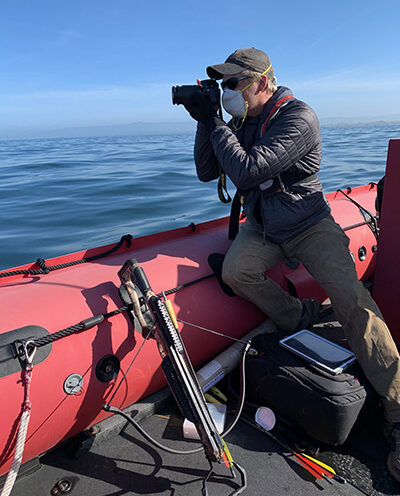
Is COVID-related reduction in marine traffic reducing stress in whales?
Whale researchers are taking advantage of changes in boat traffic in Monterey Bay during the pandemic to collect data on stress hormones in humpback whales.
-
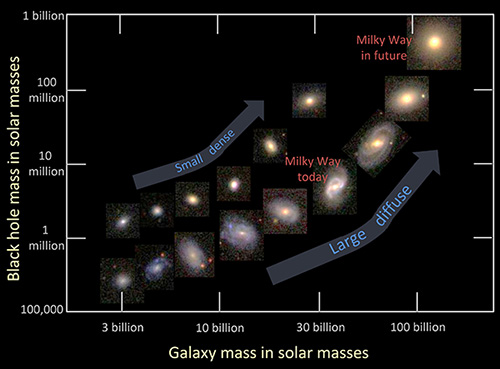
How galaxies die: New insights into the quenching of star formation
A simple model explains a wide range of observations by describing a contest between galaxy halos and their central black holes that eventually turns off star formation.
-

Astrophysics graduate student Diana Powell wins 2020 Ford Fellowship
Powell won a Ford Foundation Dissertation Fellowship to support her work as she completes her Ph.D. thesis on exoplanets.
-

STEM Diversity Programs honored by ‘Insight into Diversity’ magazine
‘Insight into Diversity’ magazine has recognized the STEM Diversity Programs at UC Santa Cruz with its 2020 Inspiring Programs in STEM Award.
-

UC Santa Cruz leads research center on botanical dietary supplements
A new $5 million NIH grant supports a collaborative research program to understand the cellular mechanisms by which botanical natural products may affect human health.
-
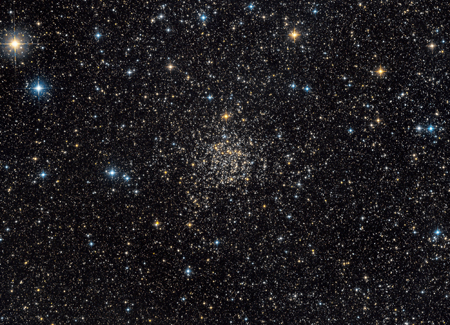
White dwarfs reveal new insights into the origin of carbon in the universe
A new analysis of white dwarf stars supports their role as a key source of carbon, an element crucial to all life, in the Milky Way and other galaxies.
-

A call for caution, personal responsibility
If people simply wait around for federal, state, and local governments to save them from the COVID-19 pandemic, rather than take precautions to keep themselves and their communities safe, “we will lose the economy and our lives,’’ said infectious disease expert A. Marm Kilpatrick this week.