Molecular, Cell & Developmental Biology
-
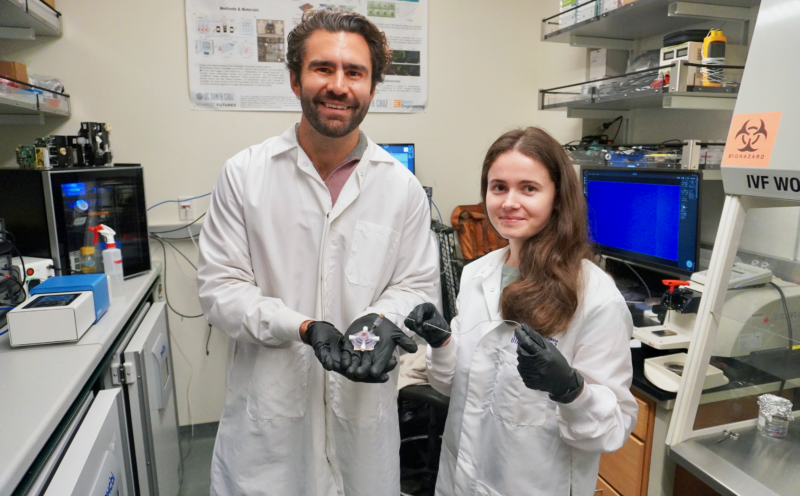
‘Petri Dish 2.0’: A new startup is bringing automation to biology’s most tedious tasks
Open Culture Science, a revolutionary new startup out of the UC Genomics Institute’s Braingeneers group, aims to accelerate the pace of biological research with their patented technology.
-
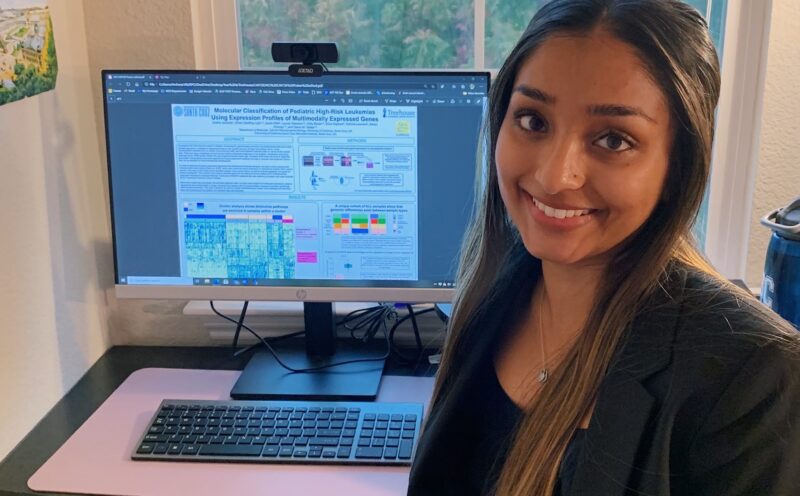
Immersion in childhood cancer research transforms undergrads into scientists—and advocates
The Treehouse Childhood Cancer Initiative is giving 80 students the opportunity to become cancer researchers for a quarter, thanks in part to generous funding from the UCSC Degree-Defining Experiences Program and the Dragon Master Initiative.
-
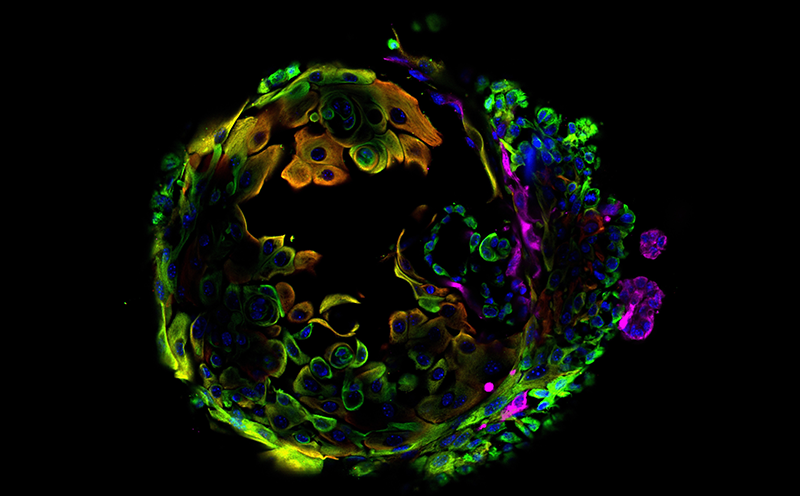
How early pregnancy impacts aging: implications for breast-cancer risk
New study by UC Santa Cruz team discovers that early pregnancy in mice reduces buildup of ‘confused’ cells that could lead to breast cancer later in life
-
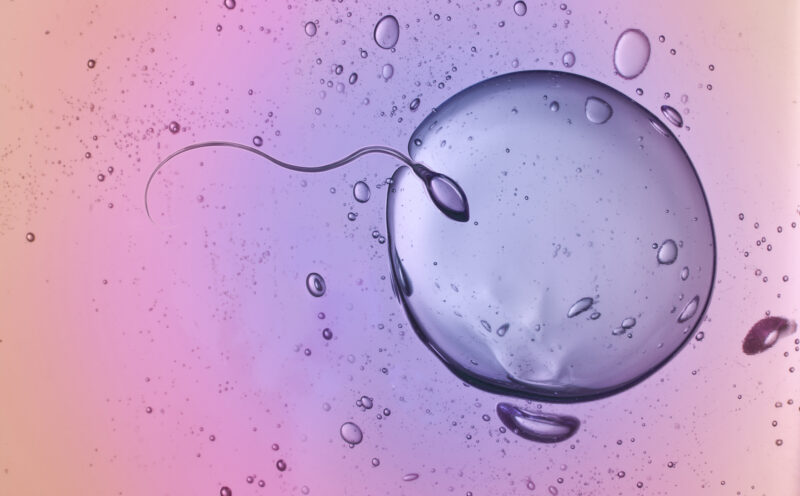
Tiny RNA molecules in sperm, big impact on baby health
Molecular mechanism uncovered in mice by UC Santa Cruz researchers reveals how a father’s diet, stress, and other environmental factors before conception can influence his offspring’s health
-
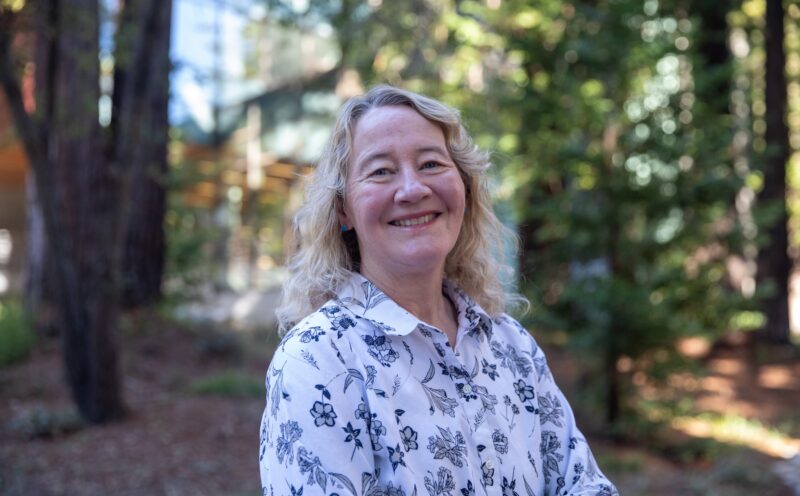
White House takes eye off the prize by withdrawing support for medical research
As 2025’s Nobel winners are honored this week, 2009 laureate Carol Greider reasserts the vital role of federal funding in fueling future prize-worthy breakthroughs in health and science
-
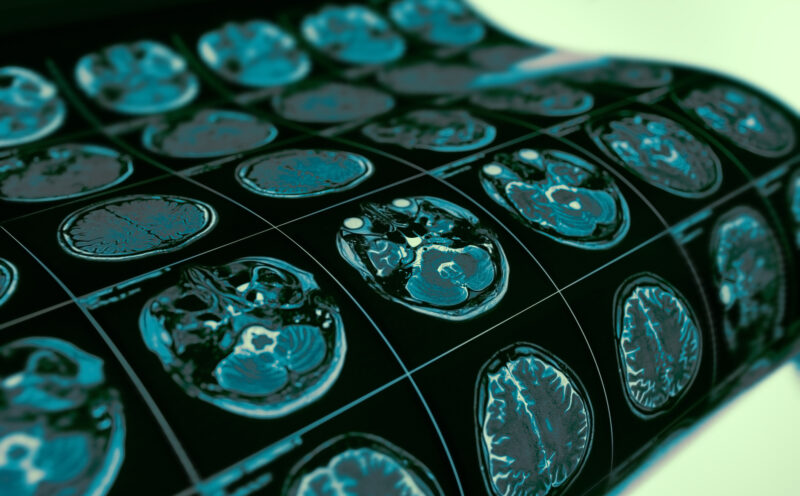
Revealing the secrets of the human brain
UC Santa Cruz research innovations and academic programs advance brain and mental health.
-
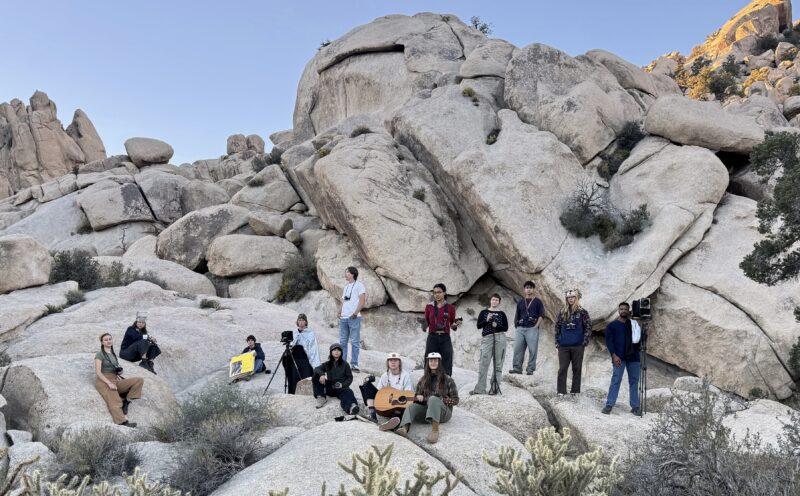
Are you experienced? Students from first year of immersive-learning initiative share stories of profound impact
From aquatic adventures and mountaintop stargazing to lab work aimed at saving lives, students describe how the Degree-Defining Experiences Program fosters unforgettable moments and deepens meaning
-

ARCS Foundation scholarships support 14 outstanding graduate students in science and engineering for 2025-26
The scholarships are awarded to students who show exceptional promise of making a significant contribution to the scientific and technological strength of the country.
-
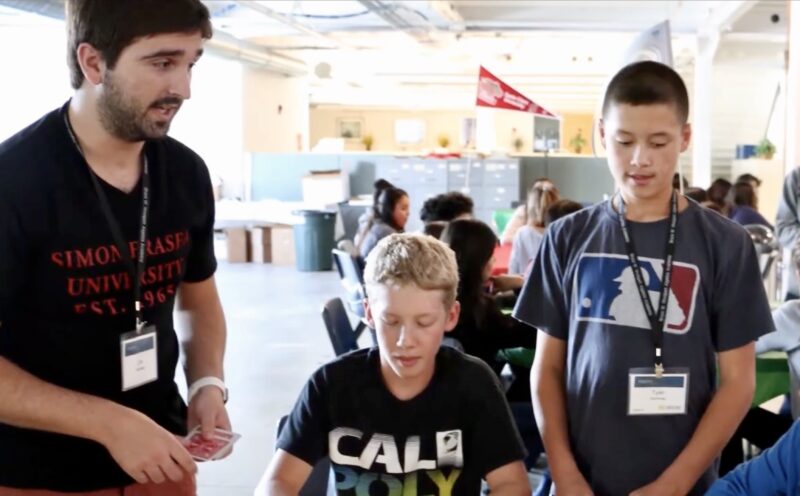
Cal Teach at 20: Striving to continue sending much-needed STEM educators into underserved communities
UC Santa Cruz program marks 20 years of putting service-minded STEM majors on a path to helping public schools students embrace math and science
-

In Memoriam: William Scott
The longtime professor of chemistry and biochemistry is remembered by family, friends, and colleagues for his immense intellect, generosity, and contributions to advance scientific research
-
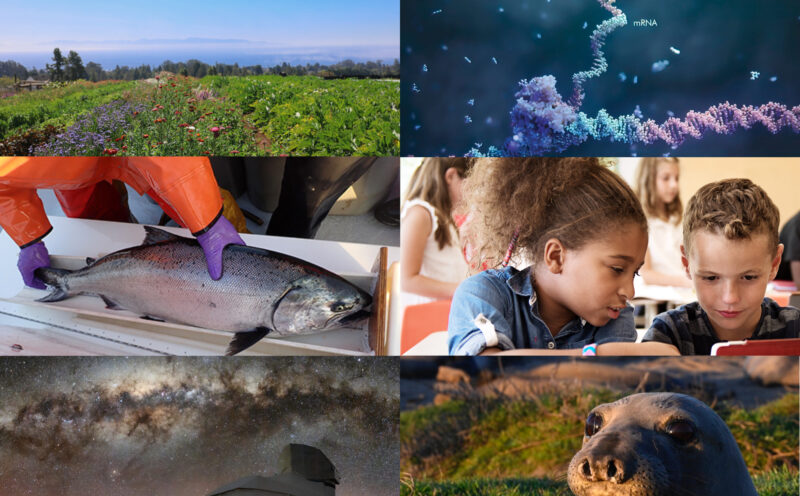
From nanopore sequencing to neutron stars, UC Santa Cruz research advances our understanding, wellbeing
The federal government has been—and must remain—a critical partner in foundational technological innovation and research breakthroughs.
-
Carol Greider receives American Cancer Society Professor Award
The award includes a grant that will support Greider’s research that advances her Nobel-winning discovery of the DNA caps at the ends of chromosomes called telomeres