Earth & Planetary Sciences
-
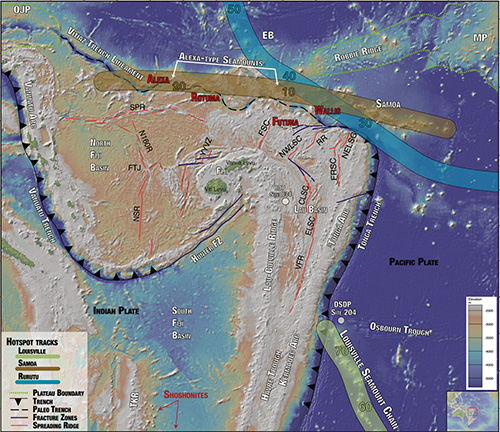
Breaking up is hard to do: Separation of Fiji and Vanuatu tied to Samoan seamounts
New analyses of volcanic rock samples collected in the 1980s link the geologic histories of these South Pacific islands to explain their current locations and character.
-

Report outlines plans for major research effort on subduction zone geologic hazards
An ambitious interdisciplinary initiative aims to advance understanding of the processes that trigger earthquakes, tsunamis, landslides, and volcanic eruptions where tectonic plates converge.
-

Research on shear strength of rock has implications for carbon sequestration
With a $1.1 million grant from the Department of Energy, seismologist Emily Brodsky will address seismic challenges involved in carbon sequestration, geothermal energy, and other areas.
-
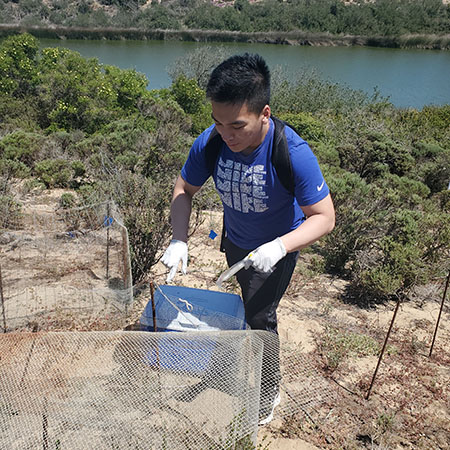
Frontier Fellows: Peter Nguyen
The Earth Futures Institute’s Frontier Fellows program offers undergraduate research opportunities and funding at UC Santa Cruz. UCSC student Peter Nguyen studies a federally listed endangered flowering plant—Lupinus nipomensis.
-
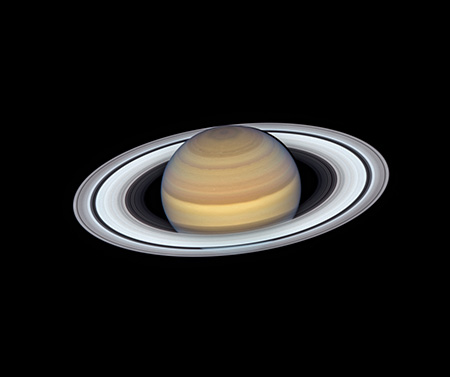
Saturn’s rings and tilt could be the product of an ancient, missing moon
A “grazing encounter” may have smashed the moon to bits to form Saturn’s rings, a new study suggests.
-

Record of Antarctic ice sheet response to climate cycles found in rock samples
The effects of global climate cycles on Southern Ocean temperatures drove cycles of melting and freezing in the East Antarctic Ice Sheet every few thousand years, according to a new study.
-
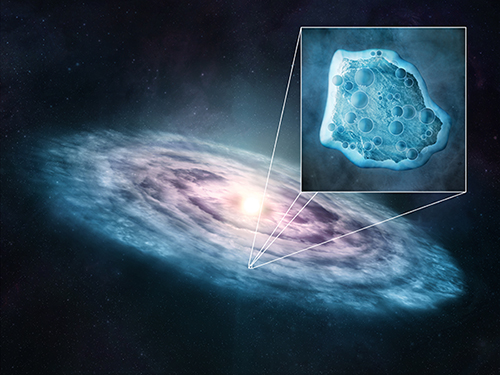
Missing carbon monoxide in planetary disks was hiding in the ice
In planetary disks, carbon monoxide is lurking in large chunks of ice, solving the decade-old question, ‘Where is the CO?’
-

Seismologist Emily Brodsky awarded Nemmers Prize in Earth Sciences
Professor Emily Brodsky has received the 2022 Nemmers Prize in Earth Sciences, awarded by Northwestern University for achievement and work of lasting significance in the field of Earth sciences.
-
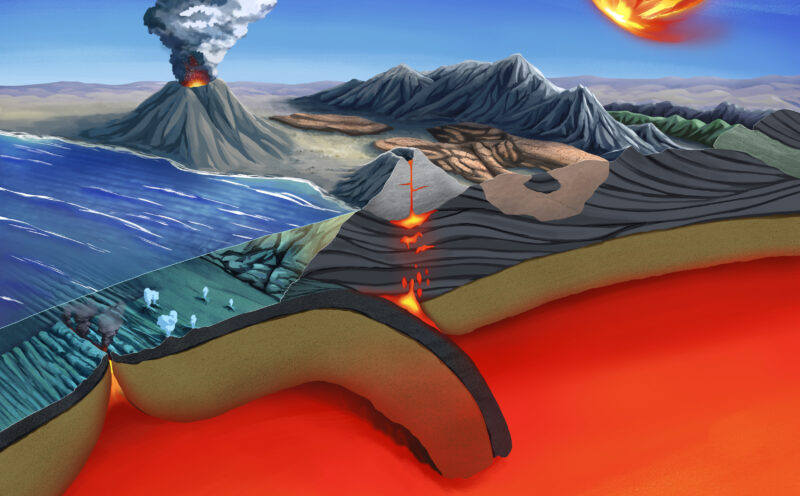
Methane could be the first detectable indication of life beyond Earth
A new study assesses the planetary context in which the detection of methane in an exoplanet’s atmosphere could be considered a compelling sign of life.
-
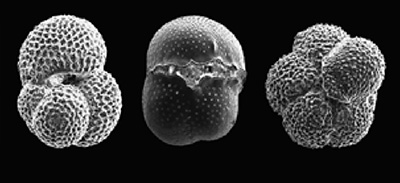
Effects of ancient carbon releases suggest possible scenarios for future climate
New findings reveal a precursor event before the Paleocene-Eocene Thermal Maximum, giving scientists a fresh perspective on future global climate scenarios.
-

California Sea Grant funds graduate research fellows at UCSC
California Sea Grant has awarded funding to four UC Santa Cruz graduate students for marine science research projects that address the agency’s priority themes of resilient coastal communities and economies, sustainable fisheries, and healthy coastal ecosystems.