
Earth & Space
-
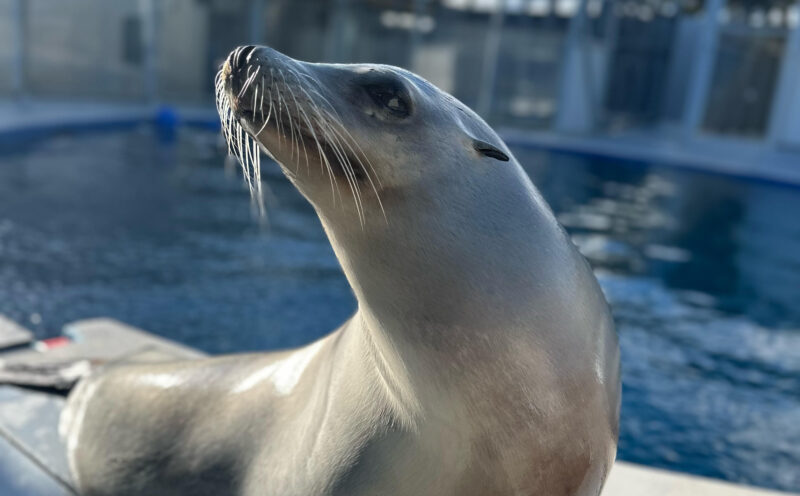
Rhythmically trained sea lion returns for an encore—and performs as well as humans
Ronan, the only non-human mammal to demonstrate highly precise beat keeping, continues to challenge our understanding of biomusicality
-
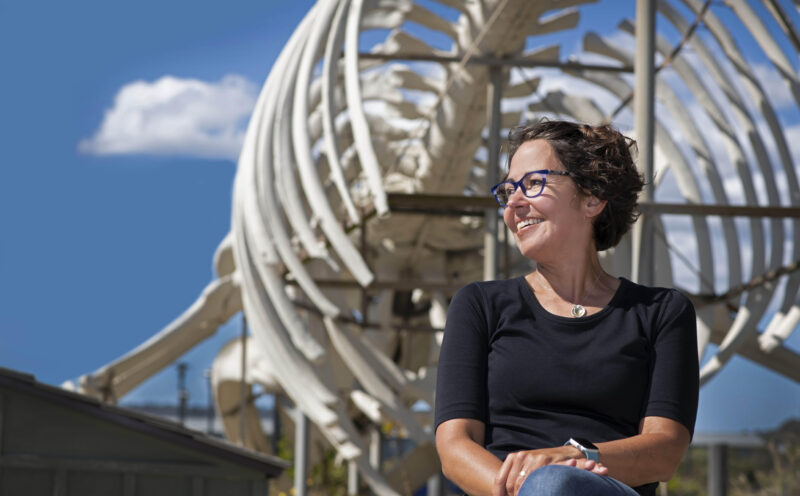
Acclaimed evolutionary biologist Beth Shapiro elected to National Academy of Sciences
The academy provides science, engineering, and health-policy advice to the federal government and other organizations.
-
The Science Division announces recipients of Distinguished Alumni Awards
Gabriel Filippelli, Aradhna Tripati, and Seath Brook Ahrens are this year’s Distinguished Alumni Award recipients for the Science Division
-
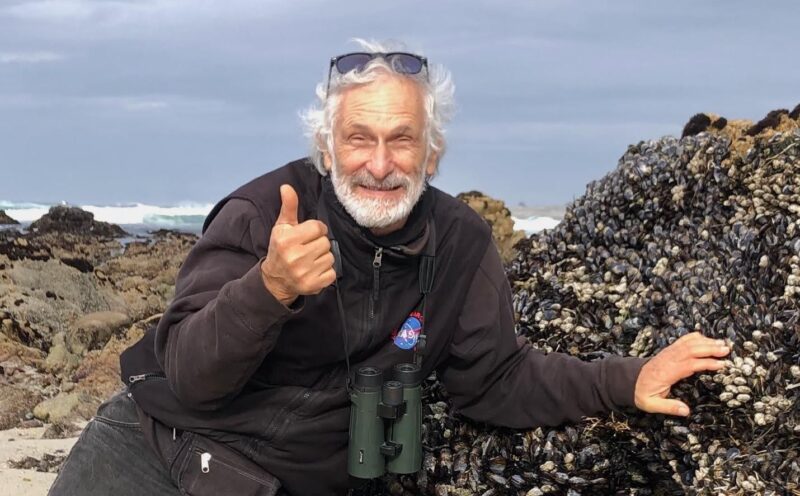
Exploring the edges of science
Alumnus Jonathan Trent is a marine biologist and former NASA scientist whose groundbreaking work spans ocean research, space science, and sustainable technology.
-

Coveted awards fuel astronomy, astrophysics research
Third-year undergraduate Isabelle “Izzy” Connor and two Ph.D. candidates at other universities have recently won awards to further their research in astronomy and astrophysics at UC Santa Cruz. Connor (Crown ‘26, astrophysics) is a 2025 Barry Goldwater Scholar, an honor awarded by the Barry M. Goldwater Scholarship and Excellence in Education Program to second- and third-year…
-
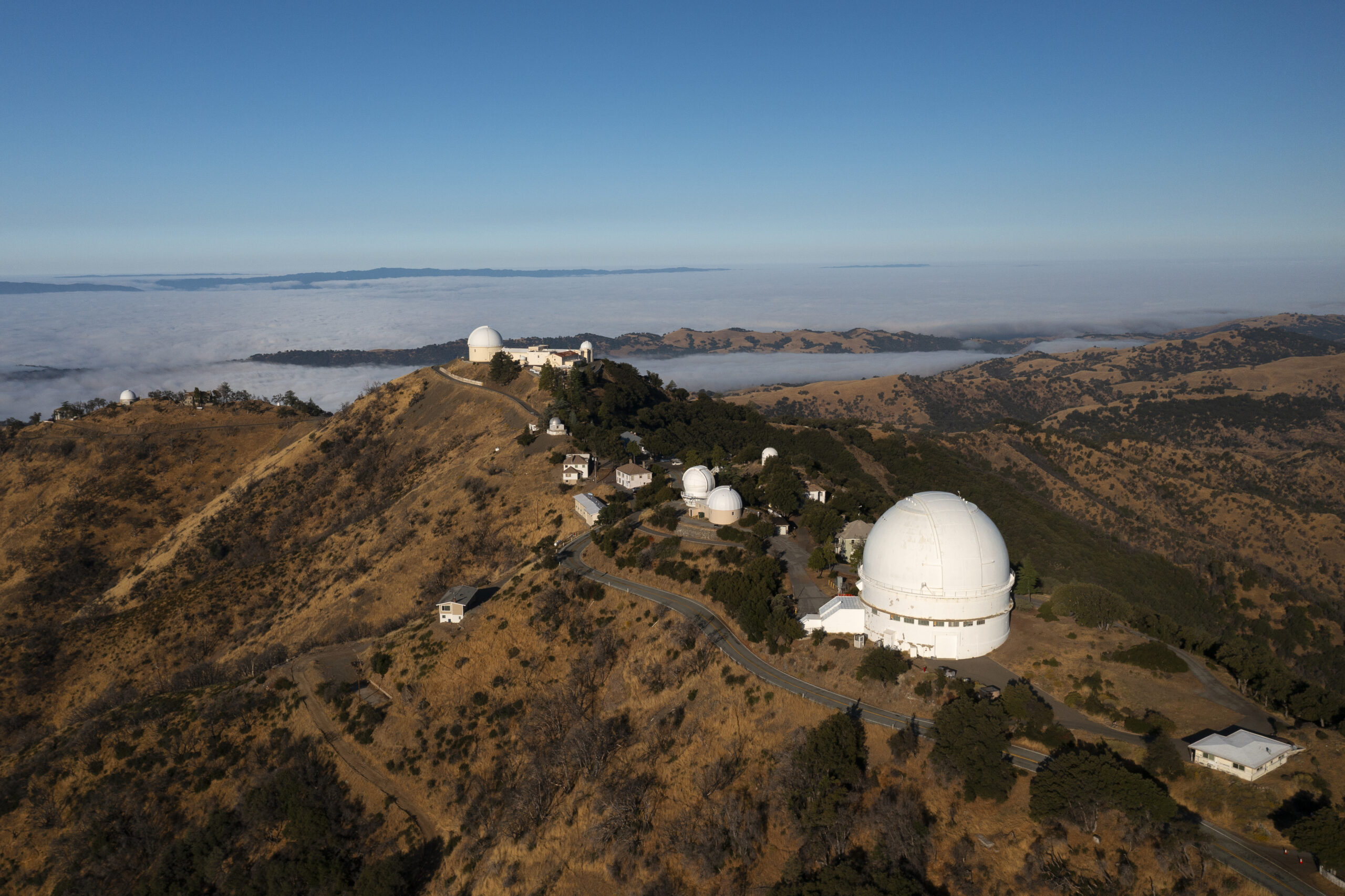
Lick Observatory to mark 150 years of discovery and innovation
Serving nine UC campuses and two national laboratories, Lick Observatory continues to be at the forefront of groundbreaking discoveries and innovation, training the next generation of astronomers and astrophysicists.
-

David Deamer wins 2025 SETI Institute’s Drake Award
The award celebrates remarkable achievements in the realms of astrobiology and the search for extraterrestrial intelligence.
-

UC Santa Cruz researchers honored in Hollywood style at Breakthrough Prize ceremony
Rebecca Jensen-Clem and researchers at Santa Cruz Institute for Particle Physics presented with lucrative awards nicknamed the ‘Oscars of Science’ on April 5
-
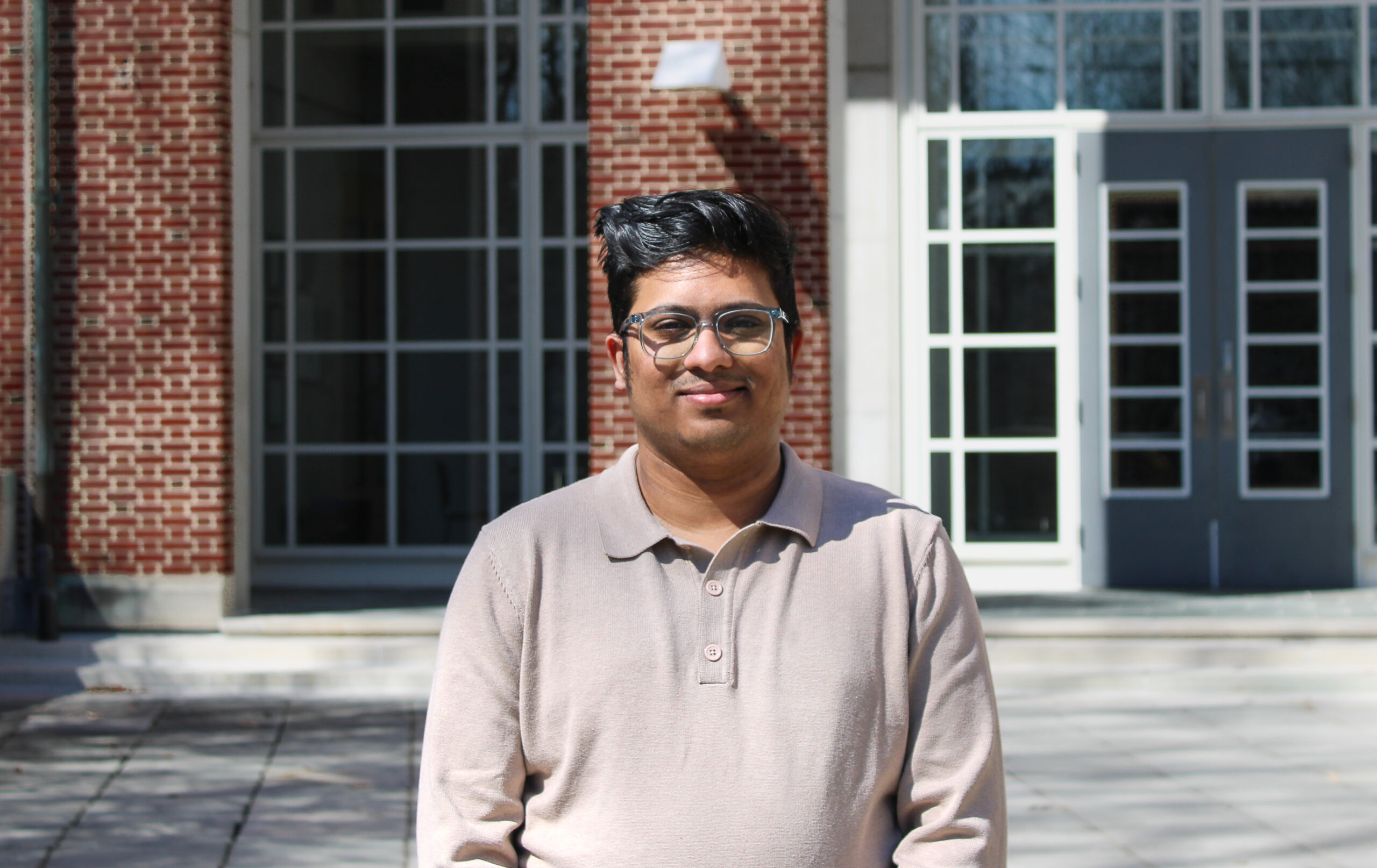
Astronomy Ph.D. candidate researching mysteries of sub-Neptune planets wins fellowship
Sagnick Mukherjee will continue his work with generous support from the Heising-Simons Foundation
-
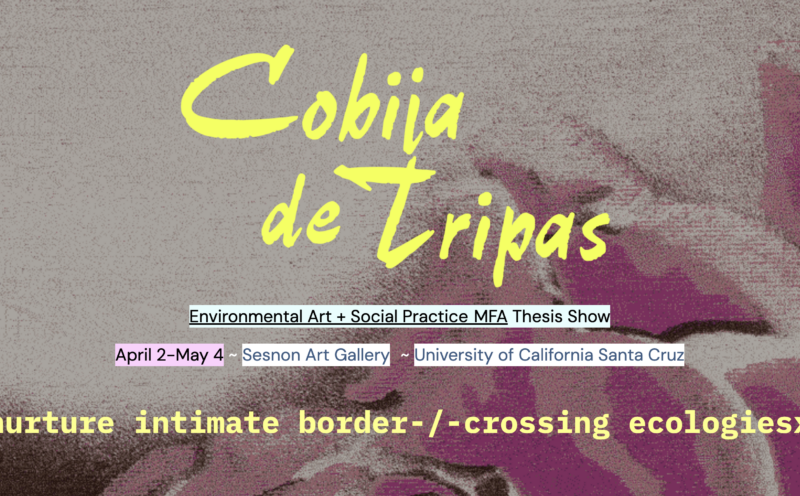
New exhibition examines the messier side of life through art and environmental research
The annual Environment Art and Social Practice (EASP) Exhibition offers a glimpse into a world where art meets science.
-

Long-accepted theory explaining the nature of our universe may need updating, new analysis indicates
New results from Dark Energy Spectroscopic Instrument hint that the influence of mysterious force driving universe’s accelerating expansion may change over time
-
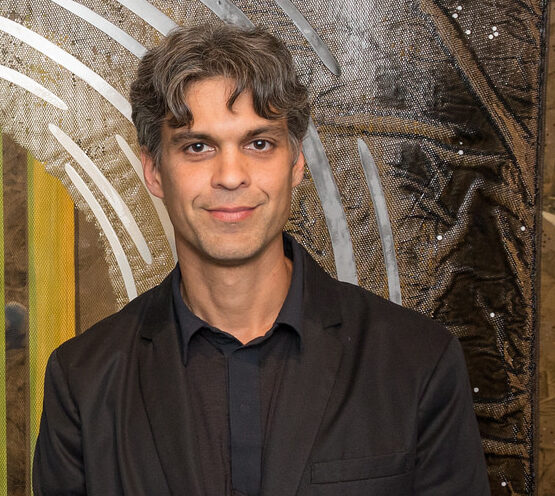
Research Corporation for Science Advancement honors Enrico Ramirez-Ruiz
Enrico Ramirez-Ruiz has been named a recipient of the Research Corporation for Science Advancement’s (RCSA) Robert Holland Jr. Award, which honors outstanding contributions to research, leadership, and mentorship in the sciences.