
Earth & Space
-

UC Santa Cruz-based survey uses AI to spot explosive stellar death by black hole
Machine learning enables real-time detection of fleeting anomalies before they fade away
-

UC Santa Cruz marine biologists bring expertise to regional scientific organizations
Professors Roxanne Beltran and Dan Costa named to committees focused on activities on the West Coast and in Antarctica
-

Global physics conference comes to UC Santa Cruz for first time—and why it matters
Physicists from around the world will converge on campus to offer possible answers to some of the biggest and most vexing questions about the particle makeup of the universe and everything in it.
-
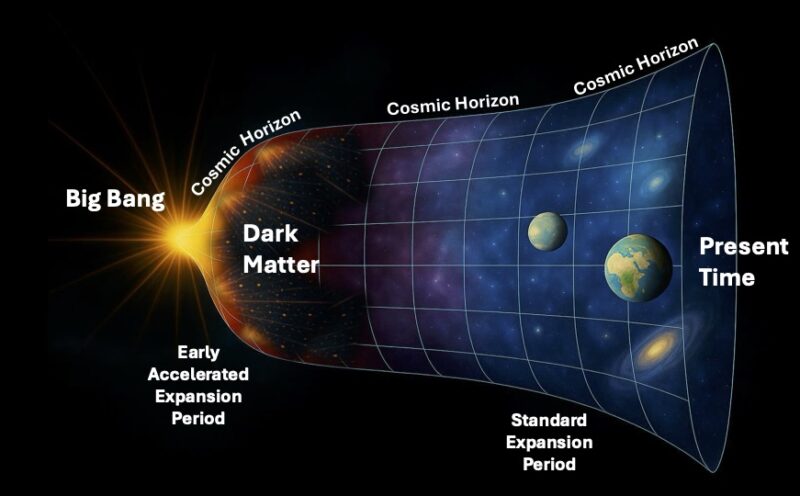
New theories on dark matter’s origins point to ‘mirror world’ and universe’s edge
Two recent studies speculate a natural emergence of the mysterious substance, offering ‘self-contained and calculable scenarios’
-

Center for Coastal Climate Resilience Fellows bridge disciplines to build resilient communities
In part two of our series highlighting CCCR fellows, we spoke with fellows who use their unique cross-disciplinary backgrounds to advance climate resilience.
-

Eric Palkovacs appointed new director of Institute of Marine Sciences
The professor of ecology and evolutionary biology is also UC Santa Cruz’s associate vice chancellor for research and director of the Fisheries Collaborative Program
-

Faculty, fellows among global leaders at 2025 United Nations Ocean Conference
University of California, Santa Cruz, and the Center for Coastal Climate Resilience represented at recent international climate meetings
-

Enrico Ramirez-Ruiz named president of Astronomical Society of the Pacific
UC Santa Cruz astrophysicist is the first Latino president in society’s 135-year history
-

Revolutionary Rubin Observatory debuts with first images taken by world’s largest camera
UC Santa Cruz researchers have made key contributions to the 20-year collaboration
-
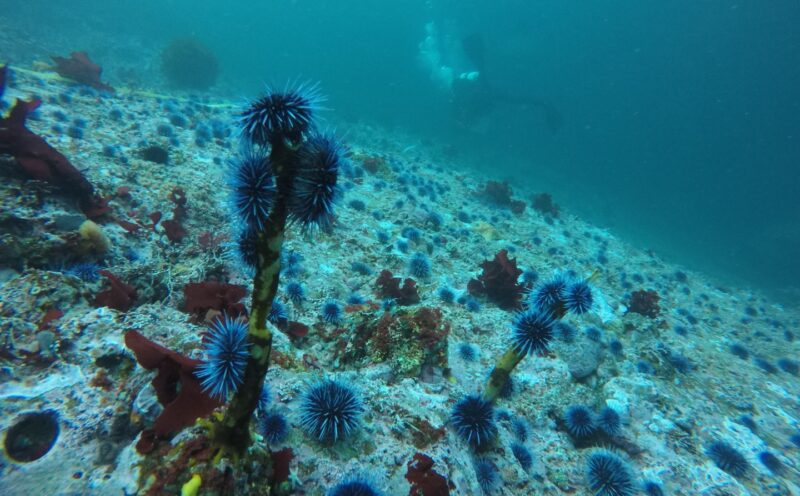
A data-driven model to help avoid ecosystem collapse
New study gives conservationists a simpler, general approach for predicting an ecosystem’s tipping point and what comes next
-

Genome of a 28-eyed jellyfish could provide insight on evolution of vision
The Macias-Muñoz lab and collaborators have sequenced the genome of a unique species of jellyfish to better understand the origins of sight.
-
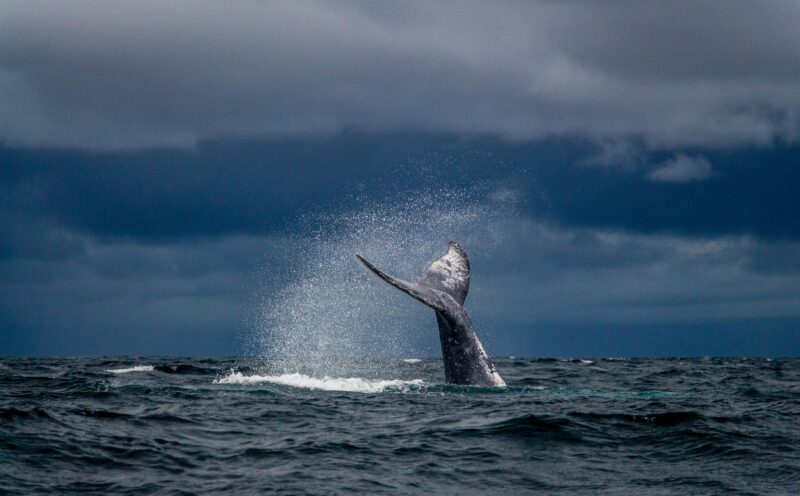
UN-backed research team shows benefits of tracking ocean giants for marine conservation
UC Santa Cruz experts and vast data sets on marine mammals contributed to new report