Genomics
-

Karen Miga discusses the future of equitable genomics research with Clinton, Bono
UC Santa Cruz Assistant Professor of Biomolecular Engineering and Associate Director for Human Pangenomics at the UCSC Genomics Institute Karen Miga joined former President Bill Clinton, U2 lead singer Bono, and Director-General of the World Health Organization (WHO) Tedros Ghebreyesus to talk about the greatest health challenges and opportunities the world is currently facing.
-

Karen Miga to speak with former president and other visionaries at the Clinton Global Initiative Meeting
This Tuesday, September 20 at 1:30 PST, Karen Miga will speak during the conference’s closing plenary session, joining Bill Clinton, Lin Manuel Miranda, Dolores Huerta, and more.
-

New program will mentor and train students underrepresented in genomics research
The UC Santa Cruz Genomics Institute will partner with California State University, Monterey Bay (CSUMB) and the University of Puerto Rico, Río Piedras Campus to mentor and provide genomics research experience for students from these two hispanic-serving institutions.
-

From concept to commercialization: how UCSC researchers revolutionized DNA sequencing
More than a quarter century since the first patents were filed, the UCSC researchers who pioneered nanopore sequencing reflect on the impact of their invention
-
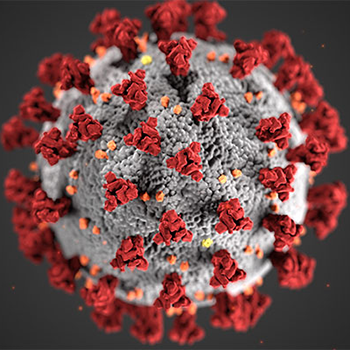
New study shows COVID-19 genomic recombination is uncommon but disproportionately occurs in spike protein region
An analysis of millions of SARS-CoV-2 genomes finds that recombination of the virus is uncommon, but when it occurs, it is most often in the spike protein region, the area which allows the virus to attach to and infect host cells.
-

Hallmark cancer gene regulates RNA ‘dark matter’
A new study finds that a key genetic mutation that occurs early on in cancer alters RNA “dark matter” and causes the release of previously unknown RNA biomarkers for cancer early detection.
-

ASPIRE program launches to aid conservation in a changing climate
A new program out of the UC Santa Cruz Genomics Institute involves students in an effort to measure changes in biodiversity and ultimately prevent them.
-

UCSC scholars join researchers statewide on a massive genomic study of California’s biodiversity
The California Conservation Genomics Project (CCGP) is a state-funded initiative with a single goal: to produce the most comprehensive, multispecies genomic dataset ever assembled to help manage regional biodiversity.
-

The team behind a tree of 10 million Covid sequences
10 million sequences of COVID-19’s genomic code have now been organized into a phylogenetic tree in the UC Santa Cruz SARS-CoV-2 Browser, which is the largest tree of genomic sequences of a single species ever assembled.
-

Karen Miga named one of TIME’s 100 Most Influential People of 2022
Karen Miga, assistant professor of biomolecular engineering at UC Santa Cruz, was named one of the 100 most influential people of 2022 by TIME. The honor was announced on May 23.
-

UCSC and Amazon Web Services work to accelerate genomics research
The UC Santa Cruz Genomics Institute is collaborating with Amazon Web Services (AWS) to allow researchers to quickly and efficiently execute bioinformatics pipelines on AWS’s global cloud infrastructure.
-

Genomics Institute tool becomes primary method to identify lineages of COVID-19 worldwide
As COVID-19 continues to mutate, software developed and maintained at the University of California, Santa Cruz’s Genomics Institute will now be at the core of the primary tool used by health officials worldwide to track the spread of variants in their community. It is now the default software behind the ubiquitously used tool Pangolin, replacing…