BE-healthwellbeing
-
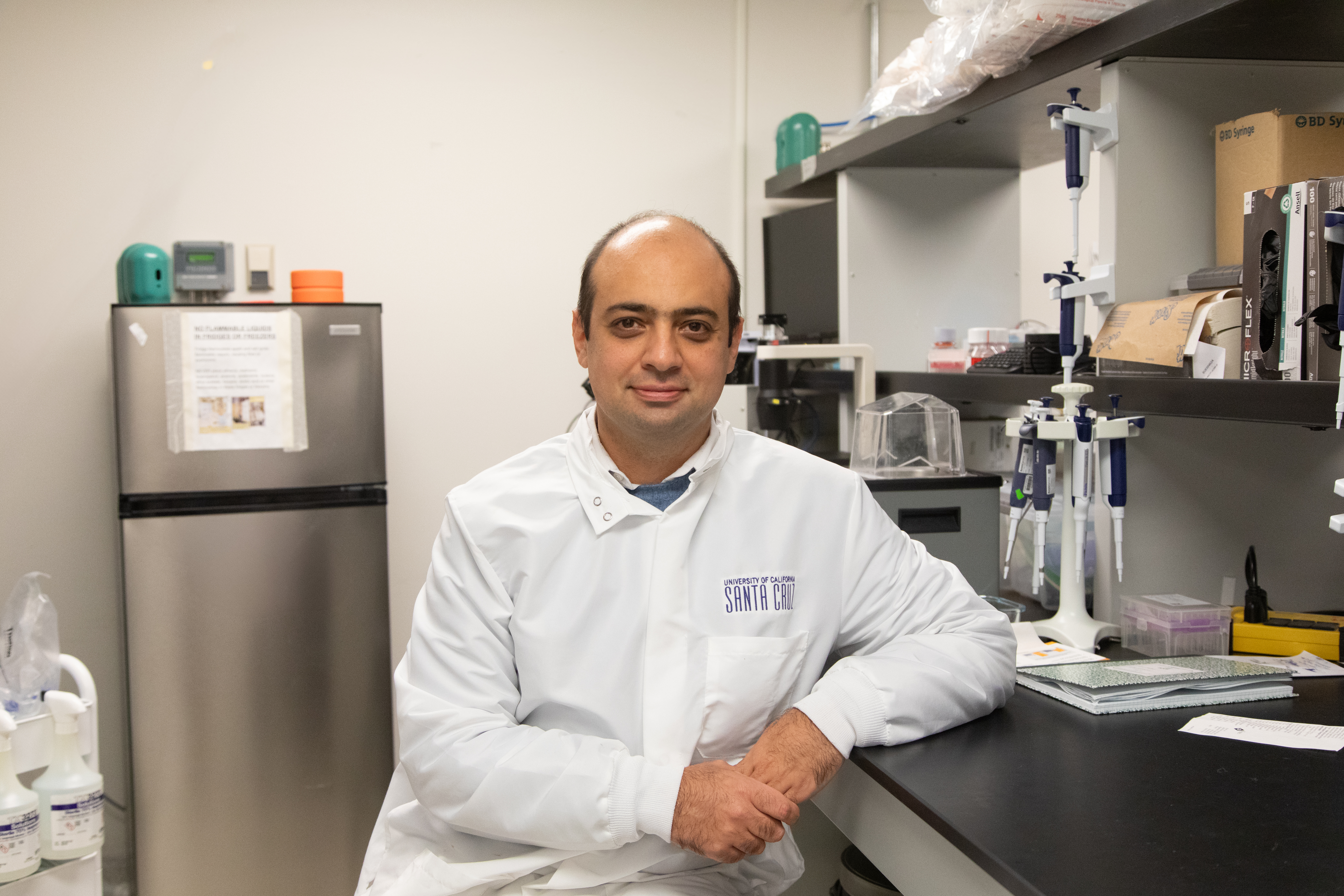
Grant funds research to identify drug targets for autism and schizophrenia using human stem cell models
The research aims to uncover the molecular and cellular mechanisms underlying autism and schizophrenia and to identify drug targets for both conditions.
-
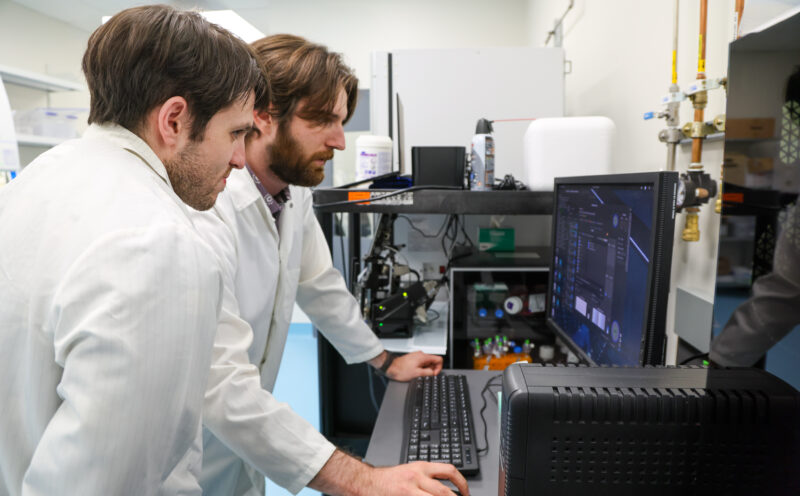
Brain organoids can be trained to solve a goal-directed task
UC Santa Cruz researchers are exploring how brains learn, adapt, and improve, which could help us better understand and address neurological conditions.
-
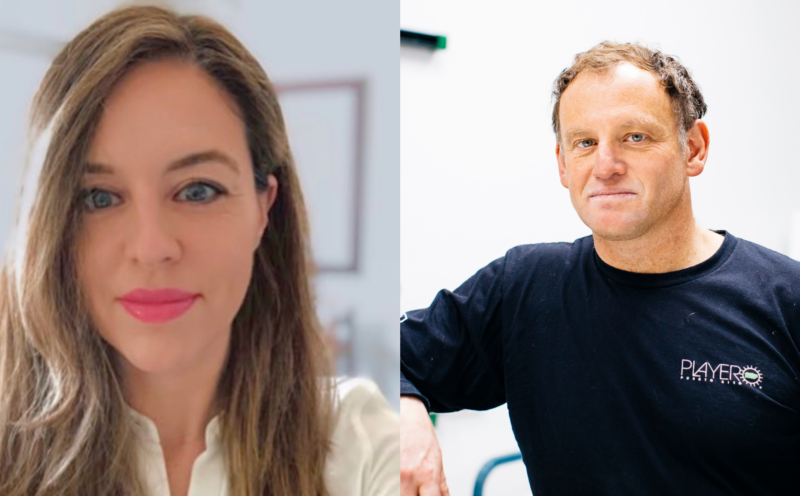
Two promising technology development projects receive UC Santa Cruz Innovation Catalyst grants
UC Santa Cruz’s Innovation Catalyst Proof-of-Concept Program helps move cutting-edge research from the lab out into the world for societal impact.
-

2025 iGEM team investigates solution to common food toxin
The undergraduate research team won a silver medal at the 2025 international jamboree.
-
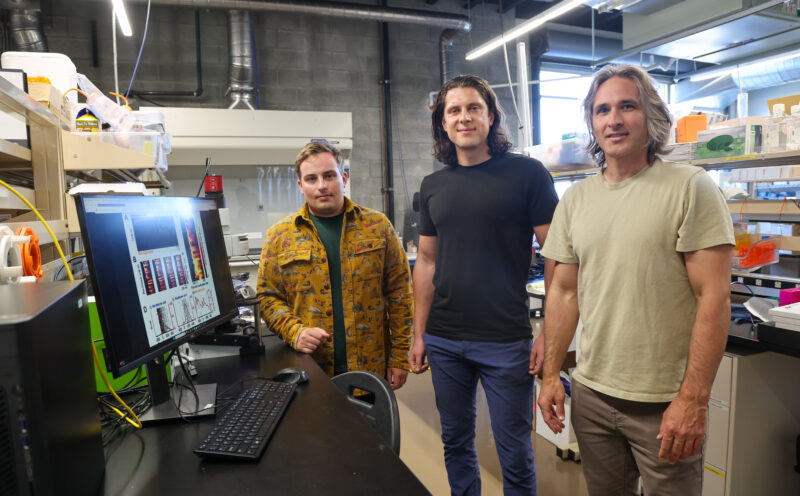
Evidence suggests early developing human brains are preconfigured with instructions for understanding the world
Assistant Professor of Biomolecular Engineering Tal Sharf’s lab used organoids to make fundamental discoveries about human brain development.
-
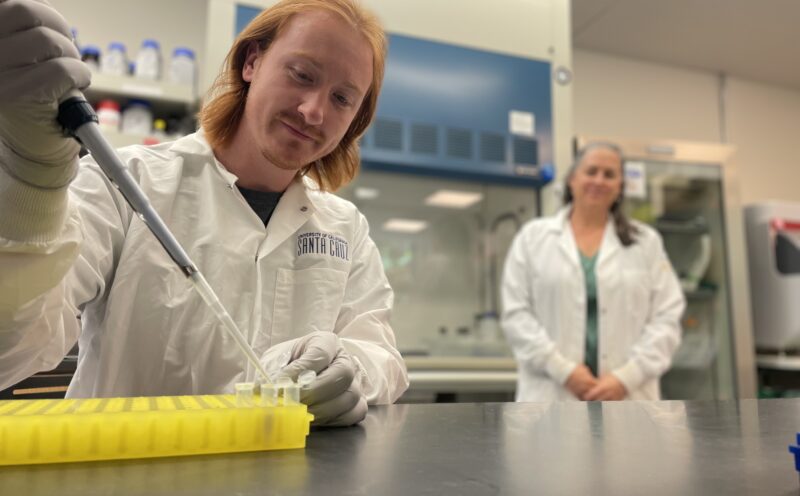
Researchers pinpoint target for treating virus that causes the stomach bug
New study reveals how human astroviruses bind to humans cells and paves the way for new therapies and vaccines
-
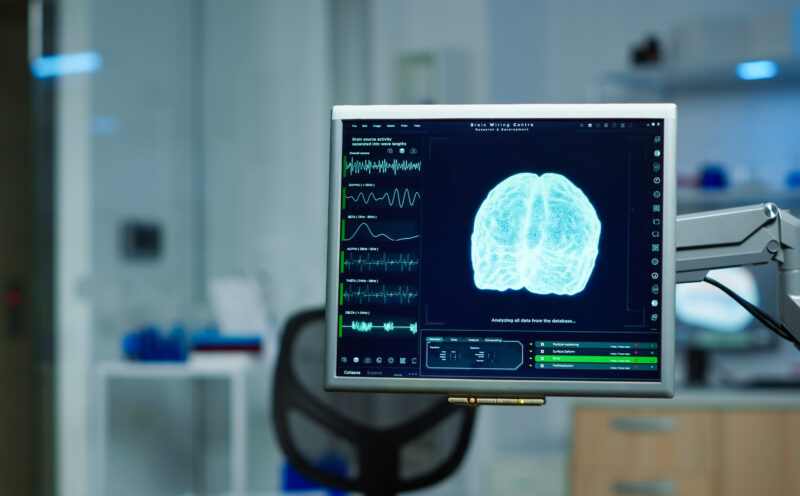
‘Future-guided’ AI improves seizure prediction
Engineers developed a deep learning method that manipulates time to make better predictions.
-
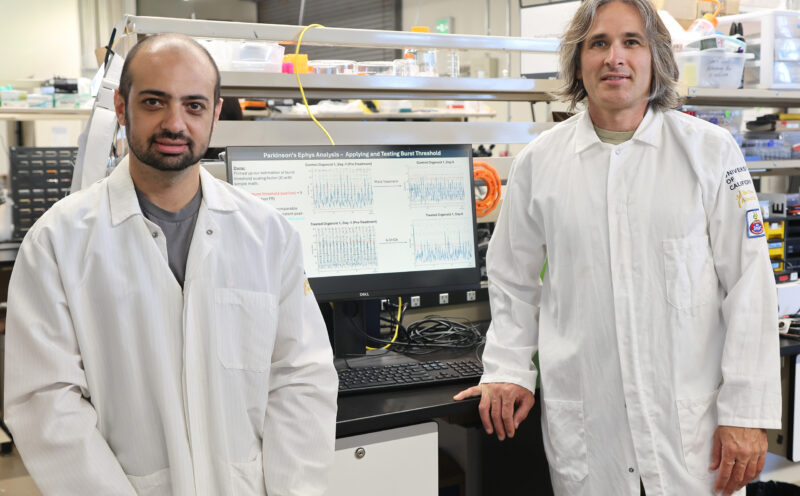
Grants to support brain organoid research on neuropsychiatric and developmental conditions
Two researchers received two-year grants from The Brain & Behavior Research Foundation.
-
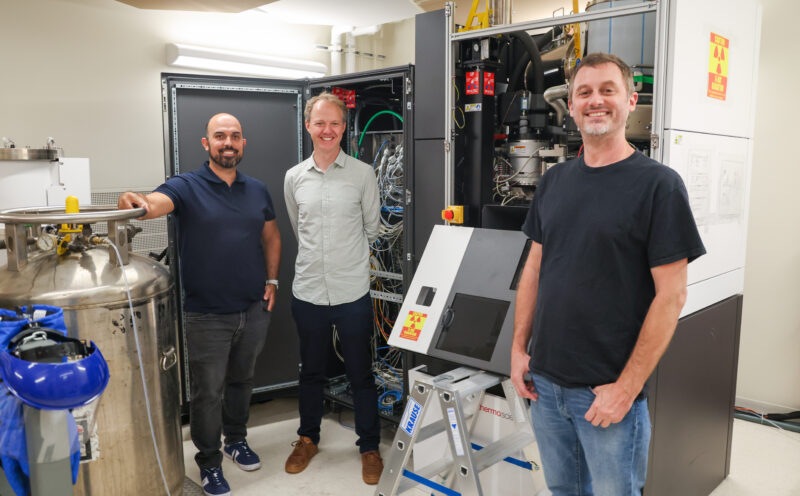
New international collaboration poised to unlock more health-related discoveries
UC Santa Cruz removes geographic barriers and reduces costs with widened access to powerful Biomolecular cryoEM Facility
-
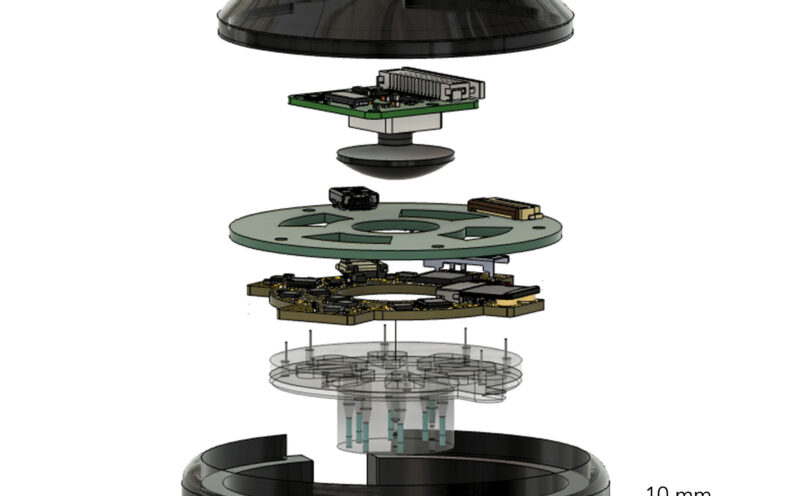
Smart device uses AI and bioelectronics to speed up wound healing process
A wearable device called “a-Heal,” designed by engineers at UC Santa Cruz, aims to optimize each stage of the wound healing process.
-
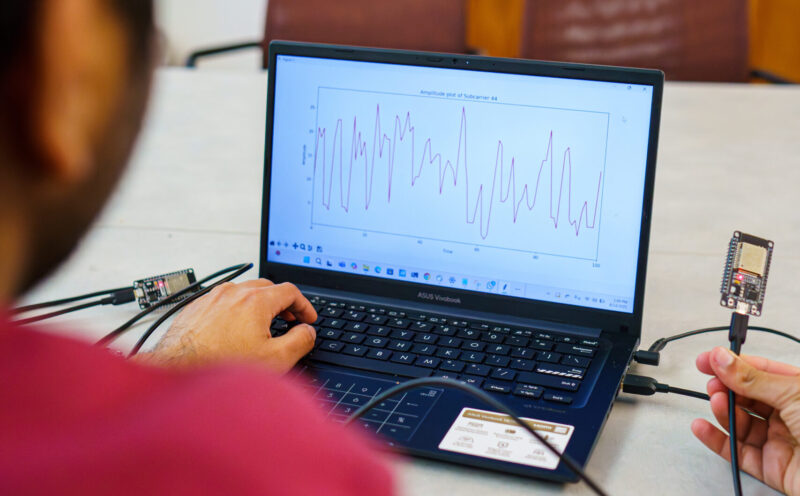
WiFi signals can measure heart rate—no wearables needed
Engineers prove their technique is effective even with the lowest-cost WiFi devices
-
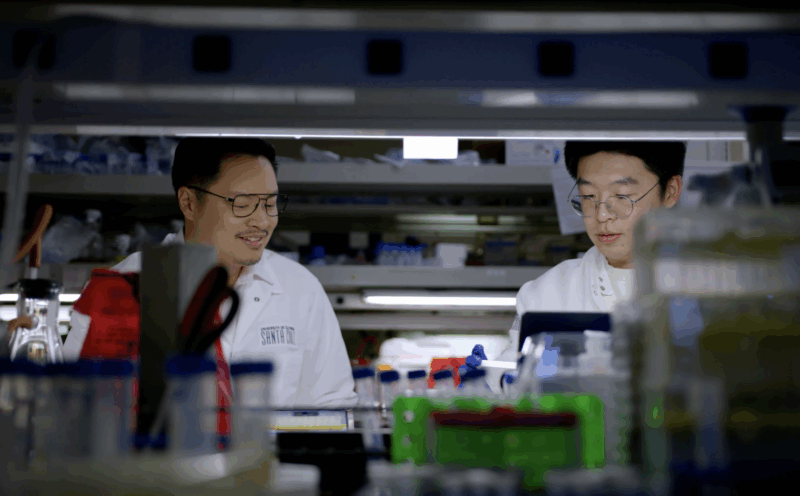
Artificial biosensor can better measure the body’s main stress hormone
This research paves the way for point-of-care cortisol testing and diagnoses.