BE-healthwellbeing
-
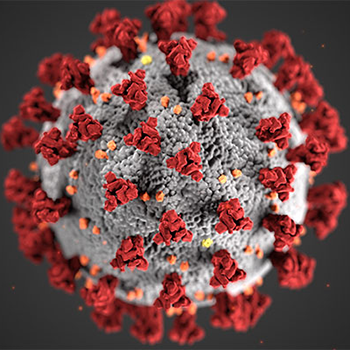
New study shows COVID-19 genomic recombination is uncommon but disproportionately occurs in spike protein region
An analysis of millions of SARS-CoV-2 genomes finds that recombination of the virus is uncommon, but when it occurs, it is most often in the spike protein region, the area which allows the virus to attach to and infect host cells.
-

Hallmark cancer gene regulates RNA ‘dark matter’
A new study finds that a key genetic mutation that occurs early on in cancer alters RNA “dark matter” and causes the release of previously unknown RNA biomarkers for cancer early detection.
-
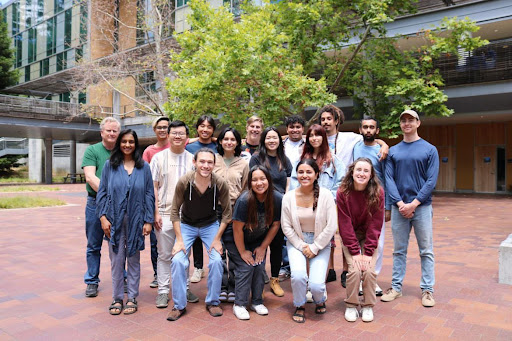
UCSC iGEM developing yeast-based type 2 diabetes medication for 2022 international competition
14 UCSC undergraduates are addressing access and cost of Type 2 diabetes medications by creating an alternative, yeast-based treatment that will be presented at the 2022 iGEM Jamboree in Paris.
-

The team behind a tree of 10 million Covid sequences
10 million sequences of COVID-19’s genomic code have now been organized into a phylogenetic tree in the UC Santa Cruz SARS-CoV-2 Browser, which is the largest tree of genomic sequences of a single species ever assembled.
-

Prestigious $3.8M NIH grant awarded to biomolecular engineering professor to develop an RSV vaccine
Associate Professor of Biomolecular Engineering Rebecca DuBois will use the five-year grant to develop a vaccine for respiratory syncytial virus, a common and potentially dangerous virus.
-

Statistics professor wins Hellman fellowship to rethink verbal autopsy survey design
Assistant professor of statistics Richard Li will use his Hellman award to rethink survey design for verbal autopsy, the process of determining cause of death outside of the hospital which is routinely implemented in many low- and middle-income countries throughout the world.
-

Genomics Institute tool becomes primary method to identify lineages of COVID-19 worldwide
As COVID-19 continues to mutate, software developed and maintained at the University of California, Santa Cruz’s Genomics Institute will now be at the core of the primary tool used by health officials worldwide to track the spread of variants in their community. It is now the default software behind the ubiquitously used tool Pangolin, replacing…
-
First complete, gapless sequence of a human genome reveals hidden regions
Parts of the human genome now available to study for the first time are important for understanding genetic diseases, human diversity, and evolution.
-
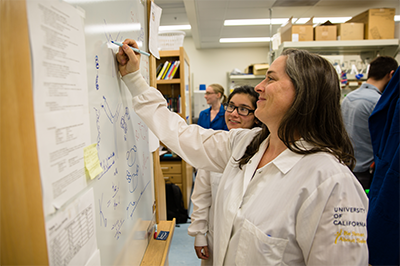
New study confirms bioengineered RSV protein vaccine evokes protective immune response
Two UC Santa Cruz researchers just marked a major milestone in their effort to create an effective vaccine for respiratory syncytial virus (RSV), which can cause severe respiratory disease in children and the elderly.
-
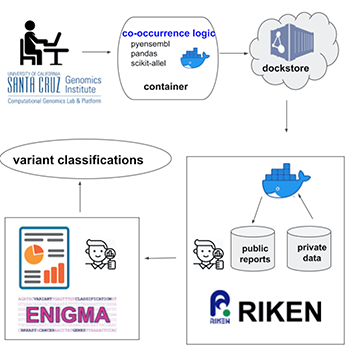
New responsible data sharing technique will enable better understanding of disease-causing genetic variants
Scientists may better understand and test for the genetic variations that cause cancer and other heritable diseases through the application of a novel strategy for securely sharing and analyzing genomic data developed at the UC Santa Cruz Genomics Institute.
-

2021 CITRIS Seed Awards support research at Baskin School of Engineering
Two UC Santa Cruz engineers are among the recipients of the 2021 CITRIS Seed Awards from the Center for Information Technology Research in the Interest of Society and the Banatao Institute (CITRIS).
-

NIH funds Center for Live Cell Genomics at UC Santa Cruz
The NIH Centers of Excellence in Genomic Science program has awarded $13.5 million over five years for a new center to advance genomics in biomedical research.