BE-healthwellbeing
-

Scientists program stem cells to mimic first days of embryonic development
Their “programmable” embryo-like structures, also known as embryoids, can be used to study the role of certain genes in early development
-
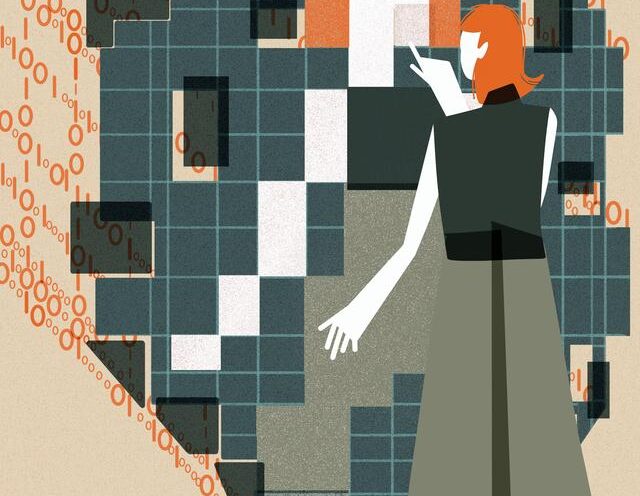
AI chatbots perpetuate biases when performing empathy, study finds
A new study explores how GPT-4o, the latest model from OpenAI, evaluates and performs empathy compared to humans, and finds major gaps exist.
-
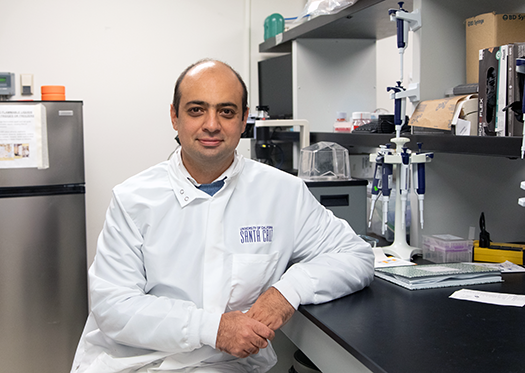
New grant funds effort to uncover therapeutic targets for neuropsychiatric disorders
A $10.3 million grant from the California Institute for Regenerative Medicine (CIRM), the state’s stem cell agency, will fund a multi-UC effort to better understand neuropsychiatric disorders.
-
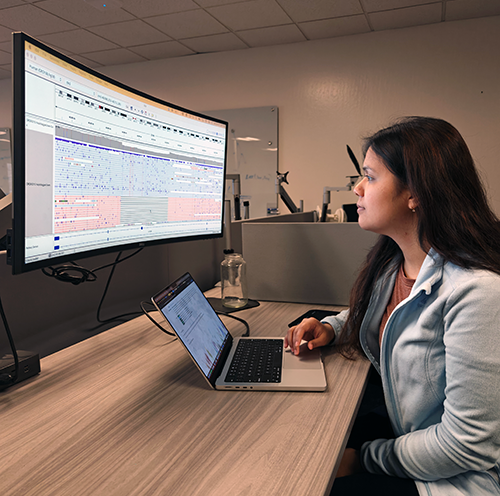
Long read sequencing reveals more genetic information while cutting time and cost of rare disease diagnoses
A new study shows that long-read sequencing has the potential to improve the rate of diagnosis while reducing the time to diagnosis from years to days — in a single test and at a much lower cost.
-

2024 iGEM team’s foundational science project tackles infant formula affordability
The 2024 UC Santa Cruz iGEM team won a silver medal at the international Jamboree for a project focused on addressing the high cost of infant formula through a foundational synthetic biology approach.
-
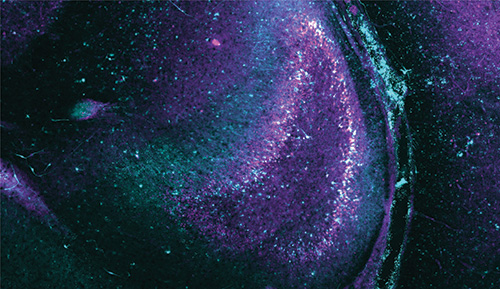
How optogenetics can put the brakes on epilepsy seizures
In what could one day become a new treatment for epilepsy, researchers at UC San Francisco, UC Santa Cruz and UC Berkeley have used pulses of light to prevent seizure-like activity in neurons.
-

Bioluminescent proteins made from scratch enable non-invasive, multi-functional biological imaging
Assistant Professor of Biomolecular Engineering Andy Yeh is designing completely artificial proteins that produce bioluminescence to serve as a non-invasive method for bioimaging, diagnostics, drug discovery, and more.
-
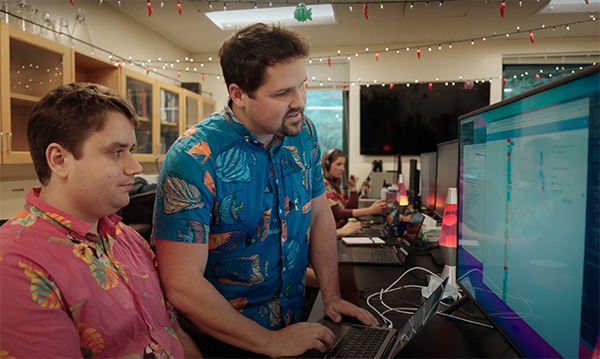
Engineers awarded CDC contract to build pathogen-tracing public health tools
The CDC has awarded Corbett-Detig and his team at the UCSC Genomics Institute a two-year, $2.52 million contract to continue their work tracking the COVID-19 virus’s evolution and expand their software tools to track other pathogens.
-
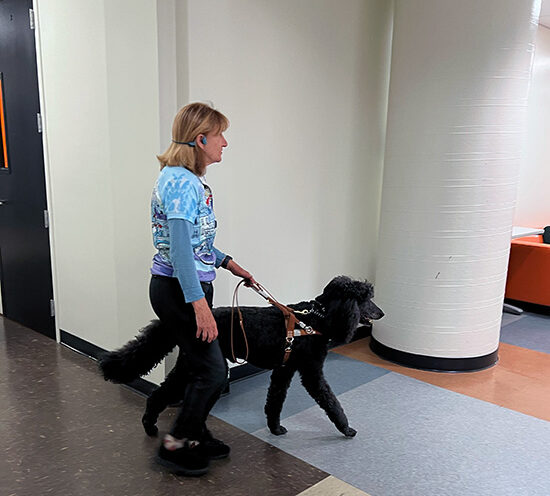
New apps will enable safer indoor navigation for blind people
Two new apps will enable blind people to navigate indoor buildings with spoken directions from a smartphone app, providing a safe method of wayfinding where GPS doesn’t work.
-
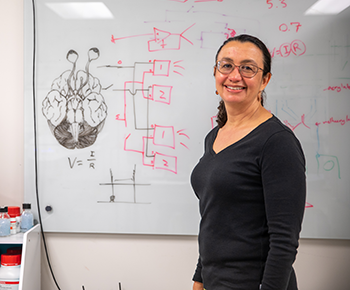
Researchers to investigate genetic roots of autism, look for new treatments
A new award from the California Institute for Regenerative Medicine will support a team of UC Santa Cruz researchers in exploring the genetic underpinnings of autism spectrum disorder.
-
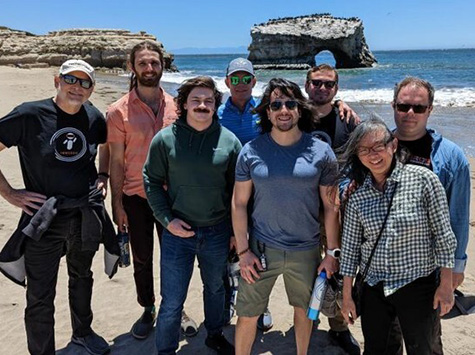
UCSC alumni awarded large NSF grant to grow virtual reality physical rehabilitation startup Immergo Labs
The National Science Foundation awarded three Baskin Engineering alumni with a $1,000,000 Small Business Innovation Research grant to support the research and development of an extended reality platform for full-body physical rehabilitation.
-

Scientists find that small regions of the brain can take micro-naps while the rest of the brain is awake and vice versa
For the first time, scientists have found that sleep can be detected by patterns of neuronal activity just milliseconds long