Author: Mike Peña
-

UC Santa Cruz astrophysicists honored for advancing research on the mysterious FRB
Fast radio bursts are sudden flashes of radio waves coming from random parts of the sky. Each one is on only for a few milliseconds, but they are extraordinarily bright: In those few milliseconds, some can put out more energy than our sun does in an entire year.
-
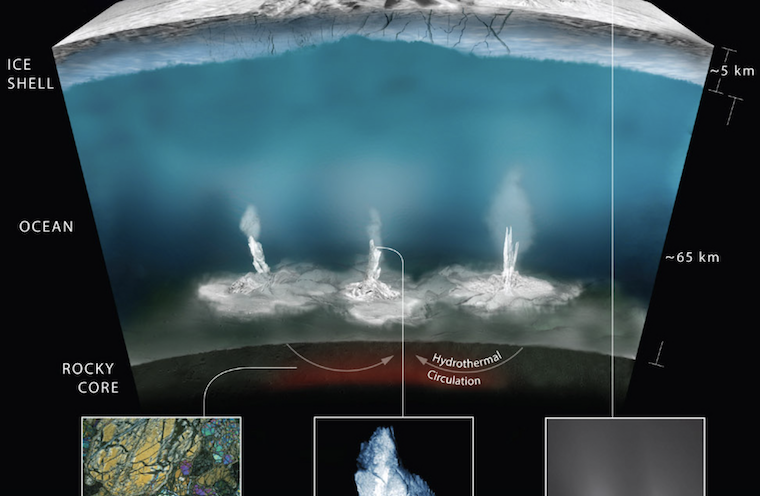
Hydrothermal vents on seafloors of ‘ocean worlds’ could support life, new study says
Many lines of research suggest that some ocean worlds release enough heat internally to drive hydrothermal circulation under their seafloors. This heat is generated by radioactive decay, as occurs deep in the Earth, with additional heat possibly generated by tides.
-

Ph.D. student leads effort to open Kosovo’s first observatory
Earth’s newest observatory will open to the public on June 20, 2024, coinciding with the summer solstice, thanks in large part to a UC Santa Cruz student from Kosovo who discovered her love of astronomy as a child amidst the chaos of the country’s brutal war for independence over 20 years ago.
-
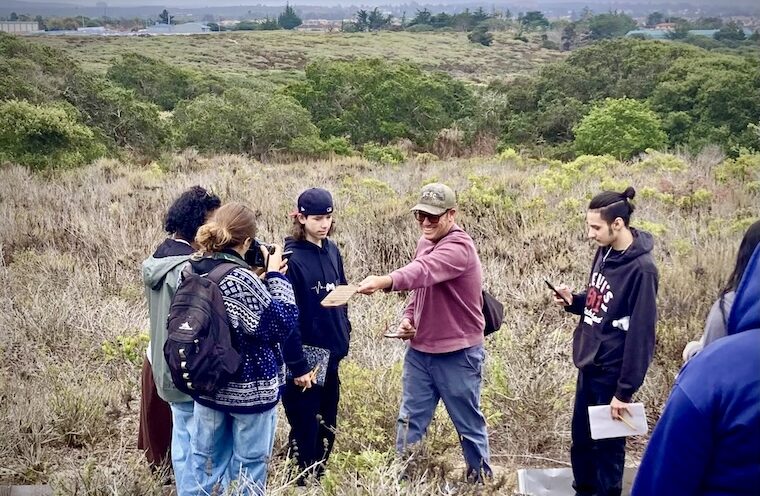
Fort Ord reserve inspires youth to consider careers in natural science, conservation
As the only full-time staff member at UC Santa Cruz’s Fort Ord Natural Reserve, Director Joe Miller doesn’t need to create more work for himself. And yet, he’s managed to do just that by successfully partnering with a nearby charter high school that brings students onto the 610-acre property to teach them about local natural…
-

Earliest, most distant galaxy discovered with James Webb Space Telescope
An international team of astronomers today announced the discovery using NASA’s James Webb Space Telescope (JWST) of the two earliest and most distant galaxies yet confirmed, dating back to only 300 million years after the Big Bang.
-
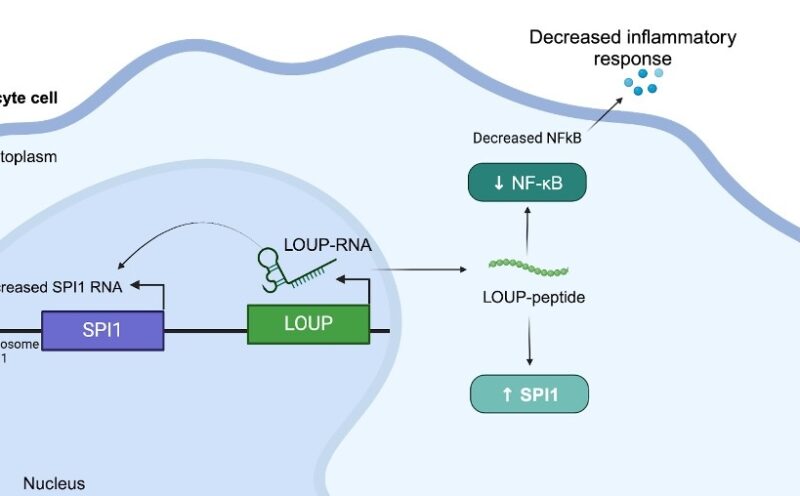
New study discovers tiny target on RNA to short-circuit inflammation
UC Santa Cruz researchers have discovered a peptide in human RNA that regulates inflammation and may provide a new path for treating diseases such as arthritis and lupus. The team used a screening process based on the powerful gene-editing tool CRISPR to shed light on one of the biggest mysteries about our RNA.
-

New exoplanets catalog showcases diverse, exotic worlds
Our understanding of exoplanets, those strange worlds that orbit stars beyond our solar system, is now broader and deeper thanks to separate studies published this week featuring the work of researchers at UC Santa Cruz.
-
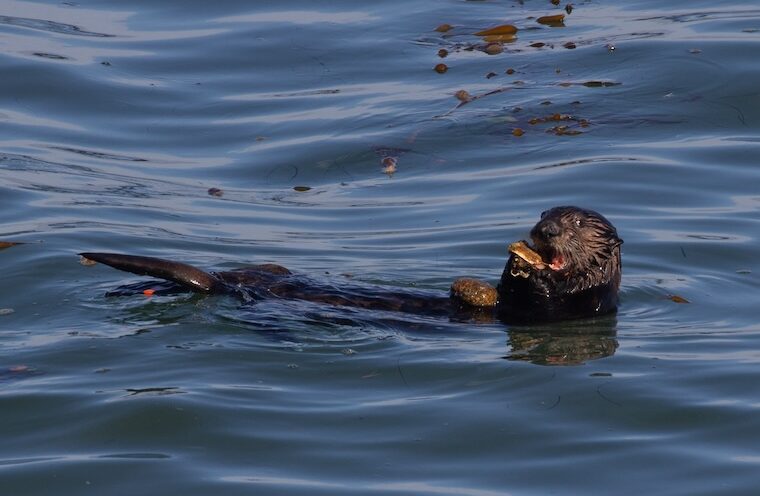
Sea otters use tools when feeding to survive a changing world
Sea otters are one of the few animals that use rocks and other objects to access their food, and a new study has found that individual sea otters that use tools—most of whom are female—can eat larger prey and reduce tooth damage when their preferred prey becomes depleted.
-
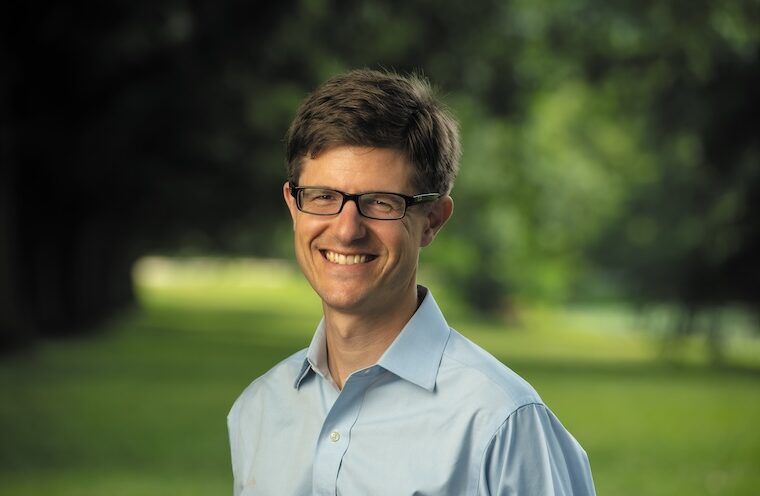
UC Santa Cruz biologist tapped to contribute to national report on nature’s role in society
For America’s first-ever report on nature’s inherent worth, and its contributions to the economy, our health and well-being, UC Santa Cruz’s Malin Pinsky will co-author a chapter on nature and climate change. He is a professor of ecology and evolutionary biology and one of 10 authors contributing to the chapter.
-

Improved nutrition, sanitation linked to beneficial changes in child stress and epigenetic programming
A new study led by a global-health researcher at UC Santa Cruz provides some of the clearest and most comprehensive evidence to date on what is known about stress physiology and “epigenetic programming.”
-
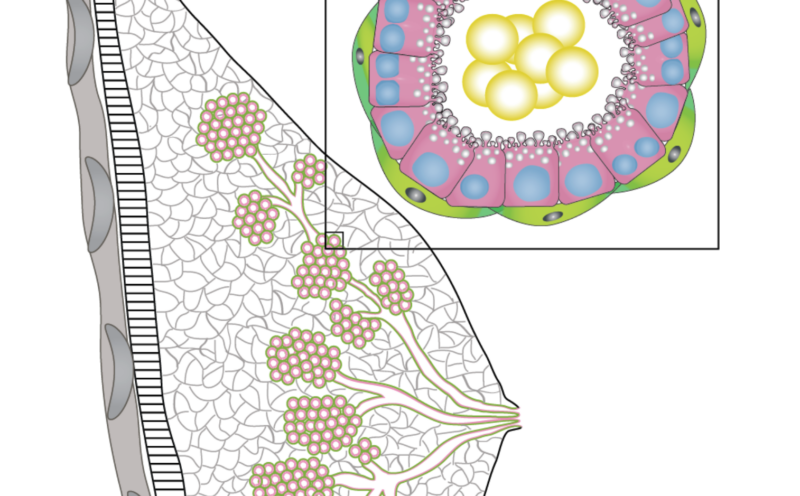
UC Santa Cruz scientists reveal new path to increasing lactation for nursing mothers
Scientists at UC Santa Cruz have discovered a cellular process in the breast that can increase milk production by pregnant women, revealing a potential path to addressing lactation insufficiency syndrome—the inability of a nursing mother to produce sufficient milk to meet their infant’s nutritional needs.
-
UC Santa Cruz ‘Shadow the Scientists’ program honored for astronomical DEI efforts
A science-inclusion program based at UC Santa Cruz that has allowed thousands of school-age children, educators, and inquisitive individuals to look through world-class telescopes alongside trained astronomers has been honored for opening up scientific exploration to those from underrepresented backgrounds around the world.