Office of Research
-
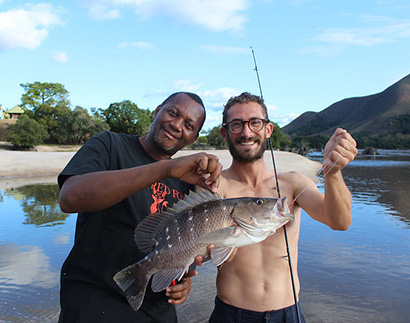
Proposed hydropower dams pose threat to Gabon’s fishes
Proposed hydropower dams in Gabon pose a substantial threat to the African nation’s most culturally and economically important fishes, according to a new study.
-

Unprecedented study yields most comprehensive map of cancer genomes to date
Pan-Cancer Project discovers causes of previously unexplained cancers, pin-points cancer-causing events, and zeros in on mechanisms of development.
-
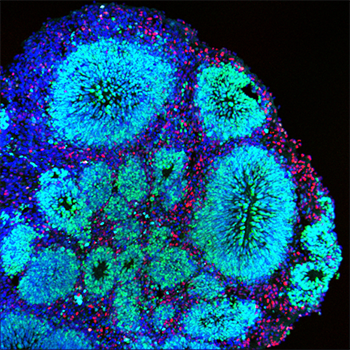
UCSC taking art/science LASER talk series downtown for special evening at Rio Theater
On Wednesday, Feb. 19, the Institute of the Arts and Sciences will bring its local LASER—now in its seventh year of quarterly talks on campus—downtown for a special evening at the Rio Theater in Santa Cruz, beginning at 7 p.m.
-
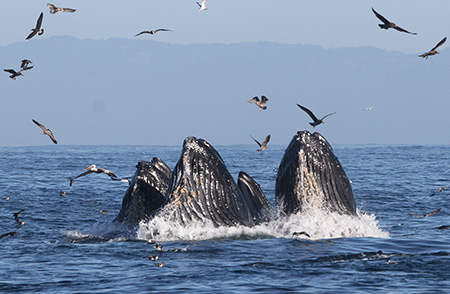
Study connects marine heat wave with spike in whale entanglements
Entanglements of humpback whales in fishing gear along the U.S. West Coast increased dramatically during the 2014 to 2016 marine heat wave known as the ‘warm blob’.
-

Seismic biomarkers in Japan Trench fault zone reveal history of large earthquakes
Researchers found multiple faults with evidence of more than 10 meters of slip during past large earthquakes in the region hit by the 2011 Tohoku-Oki earthquake and tsunami.
-
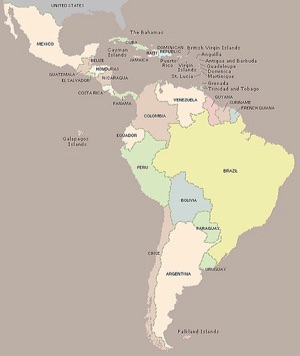
Graduate student funds for travel to Latin America available through RCA
New funding is available for graduate students traveling to Latin America to conduct preliminary research, thanks to a grant from the Tinker Foundation and matching funds from the university that were received by the Research Center for the Americas.
-
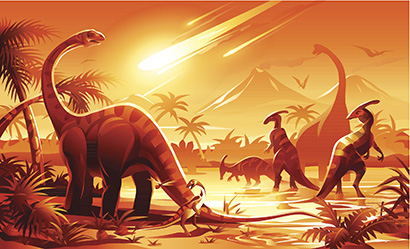
In death of dinosaurs, it was all about the asteroid — not volcanoes
Volcanic activity did not play a direct role in the mass extinction event that killed the dinosaurs, according to an international team of researchers.
-

CITRIS Core Seed Funding program invites proposals for 2020
The 2020 CITRIS Core Seed Funding program is now open for submissions.
-

Better protection from the flu could be on the horizon
Biomolecular engineer Rebecca DuBois is collaborating on a large multi-institutional NIH project to create a universal vaccine for influenza.
-

Arts professor’s anthology named one of ‘Best Art Books of the Decade’
‘Chicano and Chicana Art: A Critical Anthology’–a diverse collection of essays edited by UCSC history of art and visual culture professor Jennifer González–has been named one of the “Best Art Books of the Decade” by ArtNews.
-
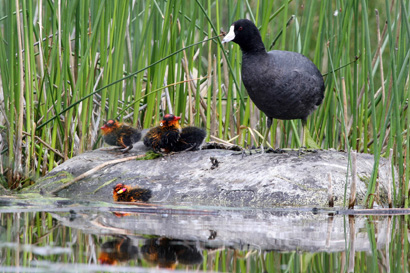
The mysterious case of the ornamented coot chicks has a surprising explanation
The bright colors of the chicks of American coots help their parents choose favorites, according to a new study.
-
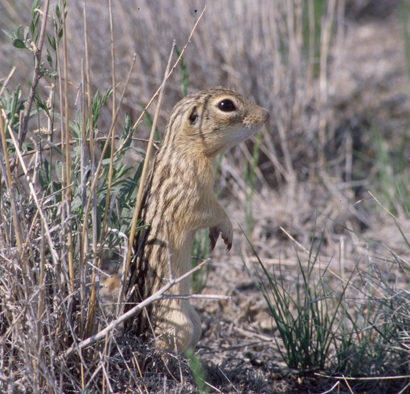
How genetics and social games drive evolution of mating systems in mammals
From monogamy to promiscuity, a new model explains the evolution of diverse mating systems based on the conflict between cooperative and competitive behaviors.