Office of Research
-
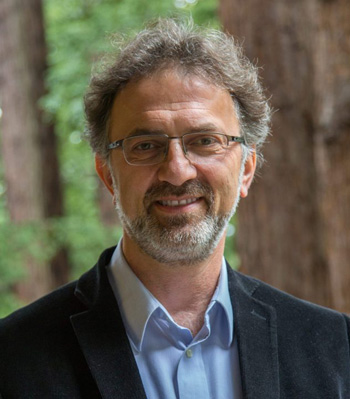
COVID Catalyst Fund supports work on rapid serology test at UC Santa Cruz
Biomolecular engineer Nader Pourmand is evaluating the use of a novel nanosensor to provide rapid, low-cost, and accurate serology tests for coronavirus antibodies.
-
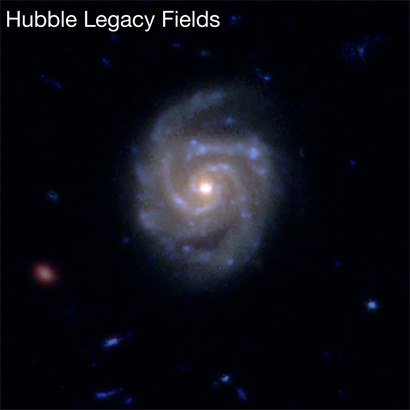
Powerful new AI technique detects and classifies galaxies in astronomy image data
UCSC researchers developed a deep-learning framework called Morpheus to perform pixel-level morphological classifications of objects in astronomical images.
-
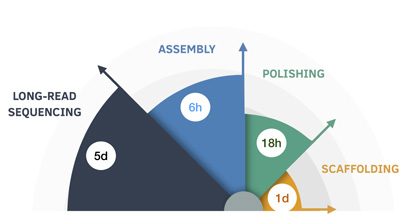
Eleven human genomes sequenced and assembled in nine days
The dawn of good, fast, and cheap human genome assembly has arrived, thanks in part to collaboration and innovation by an international team led by UC Santa Cruz researchers.
-
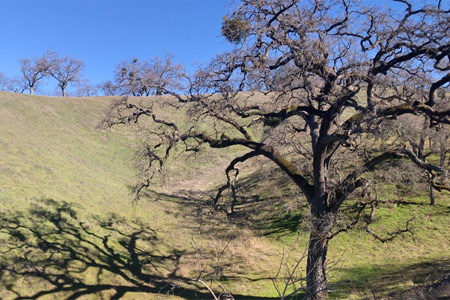
Watching the flow of water through oak woodlands at Arbor Creek Experimental Watershed
To understand how California’s beloved oak woodlands will fare in a rapidly warming climate, UCSC researchers are putting a headwaters stream in the Diablo Range under a hydrological microscope.
-
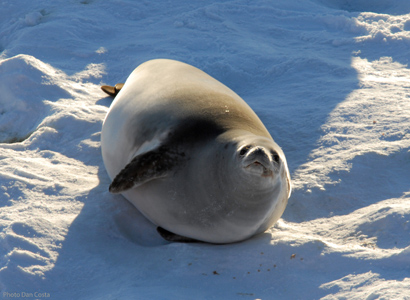
Crabeater seal data used to predict changes in Antarctic krill distribution
Tracking the feeding behavior of crabeater seals allowed researchers to build an oceanographic model of krill habitat and project how it is likely to change in the future.
-
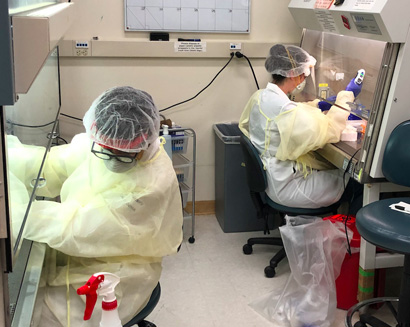
UC Santa Cruz diagnostic lab to begin coronavirus testing May 1
The UCSC Molecular Diagnostic Lab will be conducting tests for coronavirus infections for the Student Health Center and local medical providers.
-
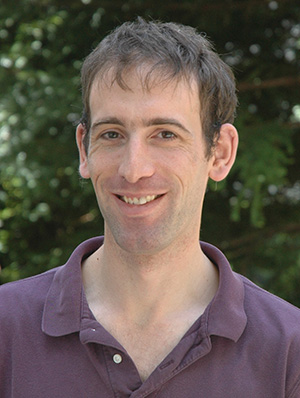
Planetary scientist Francis Nimmo elected to National Academy of Sciences
Francis Nimmo, professor of Earth and planetary sciences, has been elected to the National Academy of Sciences in recognition of his distinguished and continuing achievements in original research.
-
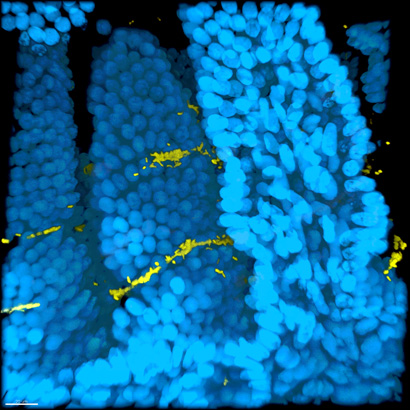
Cholera studies reveal mechanisms of biofilm formation and hyperinfectivity
A series of publications from microbiologist Fitnat Yildiz’s lab provides new understanding of cholera biofilms and why the bacteria in biofilms are so highly infectious.
-
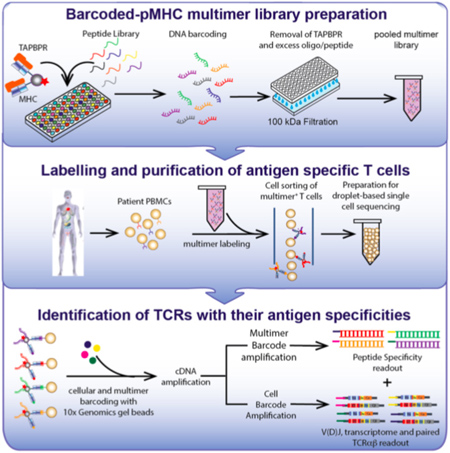
New high-throughput approach yields libraries of probes for immunological assays
Technical innovation enables rapid assessment of T cell repertoires for research and diagnostics, with potential applications in studying COVID-19 immune responses.
-

Planetary scientist Myriam Telus wins NASA Early Career Award
Myriam Telus, assistant professor of Earth and planetary sciences, has received funding from NASA through the Planetary Science Early Career Award program to support her research in cosmochemistry, the chemical analysis of extraterrestrial materials.
-
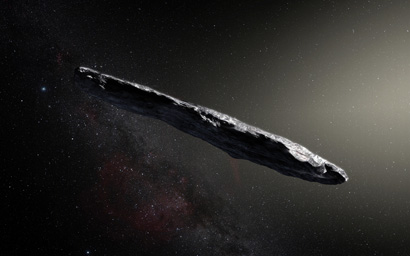
New formation theory explains the mysterious interstellar object ‘Oumuamua
A new scenario based on computer simulations accounts for all of the observed characteristics of the first known interstellar object to visit our solar system.
-
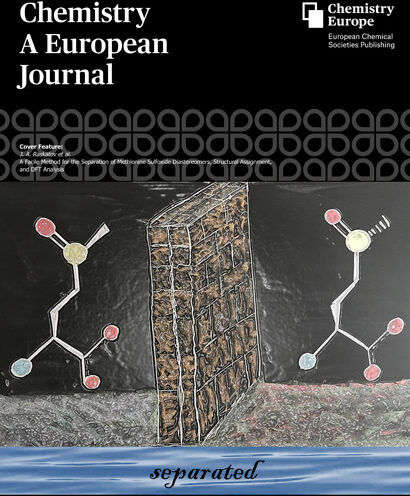
New isomer separation method a boon for research on protein oxidation
UCSC chemists have developed an easy way to separate the stereoisomers of an oxidized amino acid that has important functions in protein biology.