Office of Research
-

History professor Eric Porter examines musical improvisation as a response to crisis
“Playing for Keeps: Improvisation in the Aftermath” is an exploration of the various ways that musical improvisation can be used as a method for responding to crisis and dealing with trauma and stress.
-

UCSC partners in institute to explore the role of AI in education
The NSF AI Institute for Student-AI Teaming envisions intelligent computers in classrooms working side-by-side with groups of students.
-

New observations of black hole devouring a star reveal rapid disk formation
The first clear confirmation of accretion disk formation in a tidal disruption event without x-ray emissions supports theoretical predictions.
-

Alaska’s salmon are getting smaller, affecting people and ecosystems
A comprehensive study of four salmon species across all regions of Alaska finds salmon are returning to rivers smaller and younger than in the past.
-
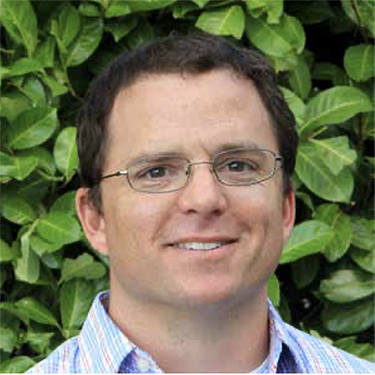
UCSC historian Greg O’Malley awarded NEH grant for research on slavery in early America
UCSC history professor Gregory O’Malley has received a Public Scholars Grant from the National Endowment for the Humanities to write a biography of David George, who was born a slave in 1743 and whose pursuit of freedom intersects with major events of the Revolutionary Era.
-

UCSC partners with CSUMB for postdoctoral training and mentorship program
A $4.2 million NIH grant to UCSC’s Institute for the Biology of Stem Cells is funding an innovative program to address underrepresentation of minorities in biomedical faculty.
-

County, UCSC partner to expand local testing capacity
UC Santa Cruz has received CARES Act funds from Santa Cruz County to enable the purchase of new equipment for the UCSC Molecular Diagnostic Lab.
-
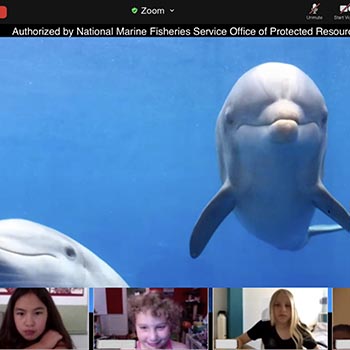
Going with the flow—famed Ocean Explorers Summer Camp heads online
COVID-19 compelled the Seymour Marine Discovery Center to take its popular Ocean Explorers Summer Camp virtual after running the program in person for 21 years—a successful experiment that presented both challenges and opportunities.
-
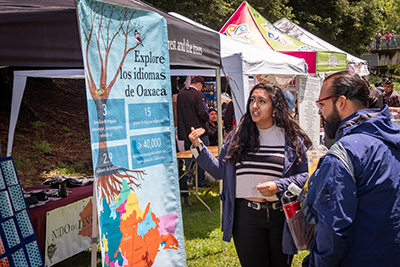
UCSC linguists receive $400,000 NSF grant for research on rarely studied languages
UC Santa Cruz linguistics professors Maziar Toosarvandani, Ivy Sichel, and Matthew Wagers have been awarded a $411,058 grant from the National Science Foundation to support research on endangered languages.
-
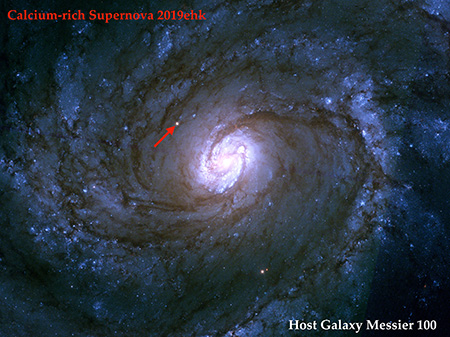
Calcium-rich supernova examined with x-rays for first time
An international team has obtained unprecedented observations of a rare calcium-rich supernova.
-

Toy or therapy device? Researchers study effectiveness of fidget tools
The study will assess whether a high-tech fidget device increases focus and relieves anxiety in adults with ADHD, which is particularly relevant during the COVID-19 pandemic.
-
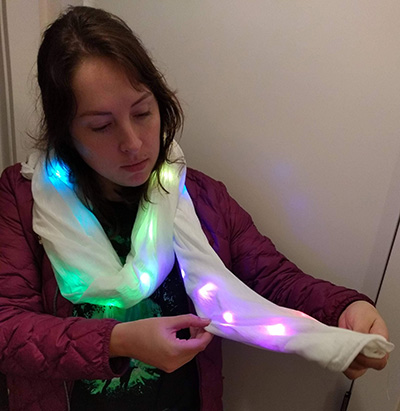
Sparking middle schoolers’ interest in computing through ‘social wearables’
NSF grant funds development of a summer camp for middle school students focused on designing wearable technologies to support social interactions in role-playing games.