Office of Research
-

Karen Miga named one of TIME’s 100 Most Influential People of 2022
Karen Miga, assistant professor of biomolecular engineering at UC Santa Cruz, was named one of the 100 most influential people of 2022 by TIME. The honor was announced on May 23.
-

New findings enable monitoring for harmful toxin in freshwater environments
Researchers have identified the genes involved in biosynthesis of guanitoxin, a potent neurotoxin produced by some freshwater harmful algal blooms.
-

Large Hadron Collider restarts after major upgrades
UC Santa Cruz physicists have been at the forefront of U.S. participation in the LHC and contributed to a major upgrade of the ATLAS detector during the shutdown.
-

As climate shifts, species will need to relocate, and people may have to help them
A new survey summarizes scientific recommendations for conservationists and land managers tasked with managing biodiversity in a changing climate.
-

Unlocking a cure for carbon monoxide poisoning
UCSC researcher Tim Johnstone has designed small molecules that can bind CO, sequester CO that is already bonded to hemoglobin, and rescue red blood cells exposed to CO, all promising signs for a future antidote for carbon monoxide poisoning.
-
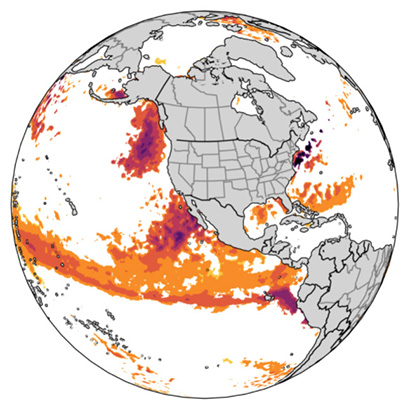
New global forecasts of marine heatwaves foretell ecological and economic impacts
The forecasts could help fishing fleets, ocean managers, and coastal communities anticipate the effects of marine heatwaves.
-

New study examines ethics of community-engaged research from the perspective of community partners
Even the most collaborative research models come with ethical challenges, a new study shows. This highlights the importance of equity-centered approaches.
-
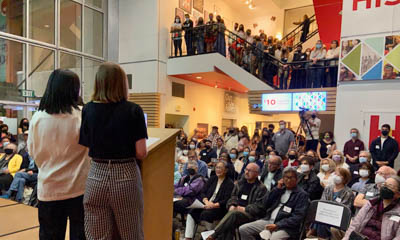
Watsonville Filipino history digital archive now available for public viewing
The Watsonville is in the Heart Digital Archive is now viewable online and features oral history recordings, original documents, photos, and family artifacts highlighting Filipino history in the Pajaro Valley.
-
2022 PIT-UN Network Challenge funding open for submissions
The Public Interest Technology – University Network (PIT-UN) has opened the call for proposals for the 2022 Network Challenge funding opportunity.
-
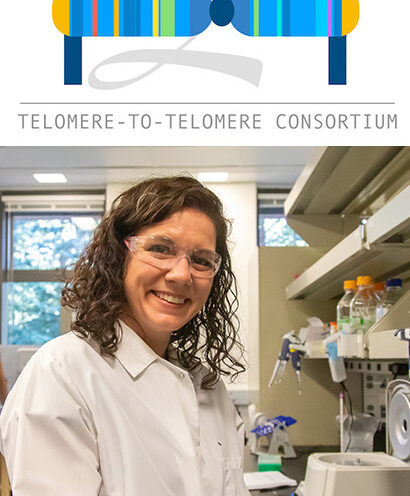
First complete, gapless sequence of a human genome reveals hidden regions
Parts of the human genome now available to study for the first time are important for understanding genetic diseases, human diversity, and evolution.
-
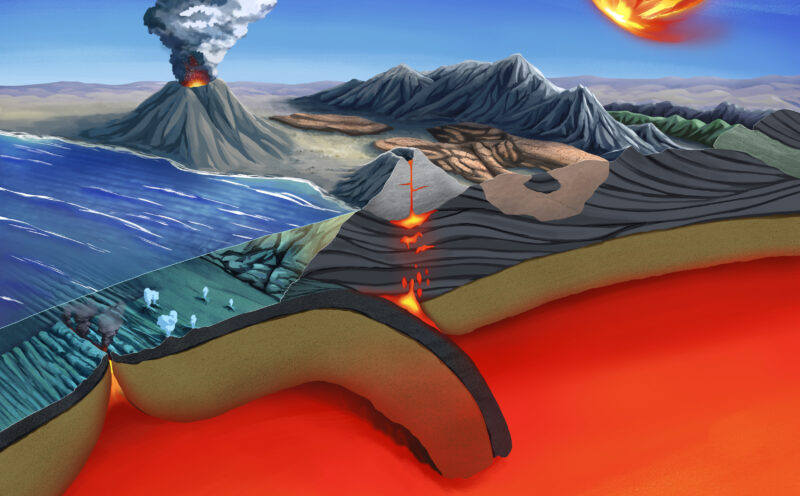
Methane could be the first detectable indication of life beyond Earth
A new study assesses the planetary context in which the detection of methane in an exoplanet’s atmosphere could be considered a compelling sign of life.
-
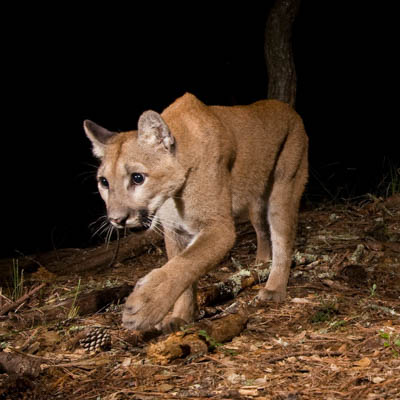
Local pumas don’t sense danger in places where they’re most often killed by humans
A new study led by UC Santa Cruz researchers suggests that pumas in the Santa Cruz Mountains don’t make accurate assessments of where they are most likely to be killed by humans, especially when it comes to the threat of being killed in retaliation for loss of livestock.