Environmental Studies
-

UC Santa Cruz joins national “tech for social good” network
UC Santa Cruz has been accepted into a new national network of colleges and universities that have made an explicit commitment to developing technology that will advance the public interest.
-

Norris Center aims to inspire naturalists across campus
Jessica Correa has loved insects since she was a little girl. Today she is an instructor with the Bird School Project. The Norris Center for Natural History gave her the support that launched her career in environmental education.
-

The carbon footprint of dinner: How “green” are fish sticks?
Fish sticks may be a tasty option for dinner, but are they good for the planet? A new study of the climate impacts of seafood products reveals that the processing of Alaskan pollock into fish sticks, imitation crab, and fish fillets generates significant greenhouse gas emissions.
-
Global study of street networks reveals growing urban sprawl
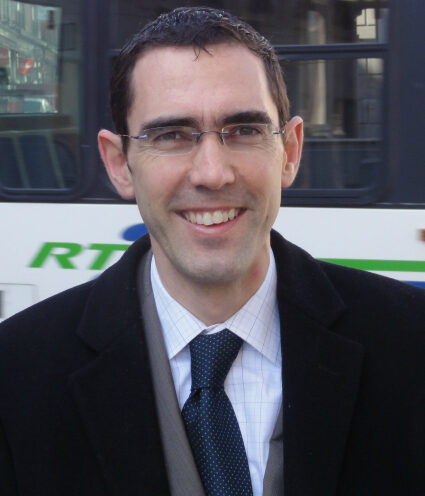
Local streets of the world’s cities are becoming less connected, part of a global trend that is driving urban sprawl and discouraging the use of public transportation.
-

UC Santa Cruz helps develop Egyptian Center of Excellence for Water
UC Santa Cruz is partnering with the American University in Cairo, nine other Egyptian and U.S.-based universities, and industry partners to help Egypt make the most of its limited water supply.
-

Food and anti-corporate globalization activist Vandana Shiva coming to campus Jan. 25-26
The public is invited to attend two events with legendary food activist Vandana Shiva, who will be at UC Santa Cruz on January 25 and 26.
-
Students power resurvey of UC Santa Cruz natural reserves
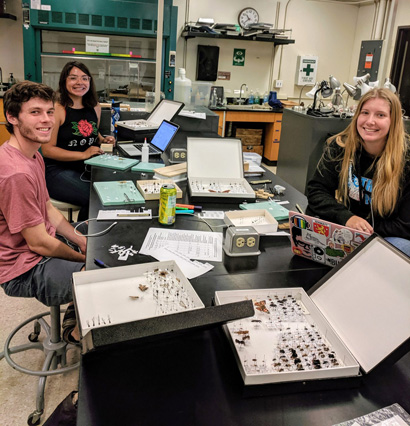
Student teams are conducting surveys of the birds, plants, fish, fungi, insects, vascular plants, mammals, bryophytes, and lichens at all four of the campus’s Natural Reserves.
-
Coastal fog linked to high levels of mercury found in mountain lions, study finds
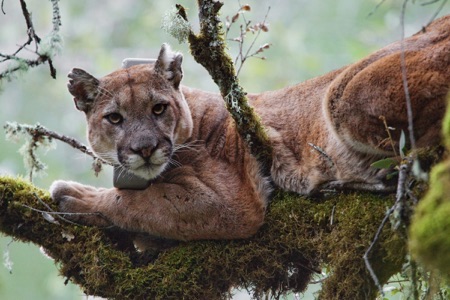
Researchers at UC Santa Cruz have discovered elevated levels of mercury in mountain lions, the latest indication that the neurotoxin is being carried in fog, deposited on the land, and making its way up the food chain.
-

Social Sciences recognizes outstanding research, teaching, and staff
The Division of Social Sciences presented several major awards recognizing outstanding accomplishments by faculty, staff, researchers, and emeriti faculty.
-
Letourneau’s datasets propel research that shows biodiversity improves crop production
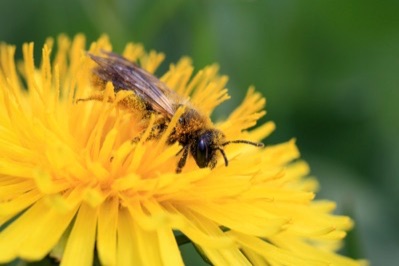
When Environmental Studies Professor Deborah Letourneau was getting ready to retire, she gave several of her datasets to younger researchers so they could make use of them. And did they ever.
-

Public invited to view Norris Center art-science residency projects
Several examples of art-science collaborations will be on view at the Museum of Art and History on Sunday, Nov. 10 from 10-5 p.m. and at the Norris Center for Natural History on Friday and Saturday, Nov. 15-16 from noon to 5 p.m.
-

Climate engineering: International meeting reveals tensions
At this point, the greatest danger of climate engineering may be how little is known about where countries stand on these potentially planet-altering technologies. Who is moving forward? Who is funding research? And who is being left out of the conversation?