Science
-
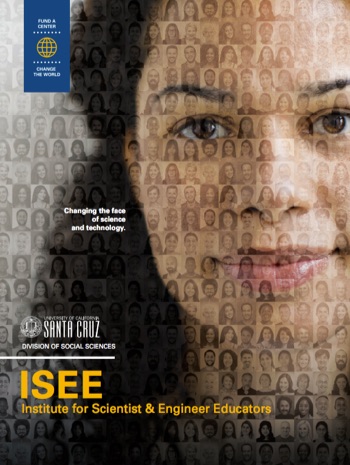
ISEE receives presidential award for excellence in STEM mentoring
The UC Santa Cruz Institute for Scientist & Engineer Educators has received a Presidential Award for Excellence in Science, Mathematics and Engineering Mentoring (PAESMEM).
-
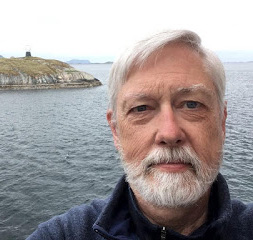
‘Electrogeochemistry’ captures carbon, produces fuel, offsets ocean acidification
Researchers analyzed the global potential for ‘negative emissions energy’ using electricity from renewable sources to generate hydrogen fuel and capture carbon dioxide.
-
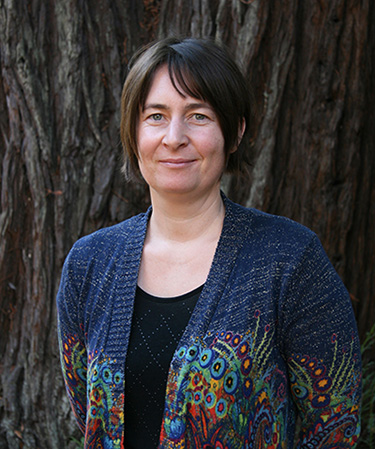
Astronomer Alexie Leauthaud wins DOE Early Career Award
The award from DOE’s Early Career Research Program supports Leauthaud’s research on dark energy.
-

Climate scientist Nicole Feldl wins NSF CAREER Award
NSF grant includes funding for climate research and for a cross-disciplinary environmental game project for students to develop a learning game about climate science.
-

Graduates mark new era, seek to improve world for all
More than 3,200 students participated in commencement ceremonies in the colleges, Graduate Division, and Baskin School of Engineering.
-
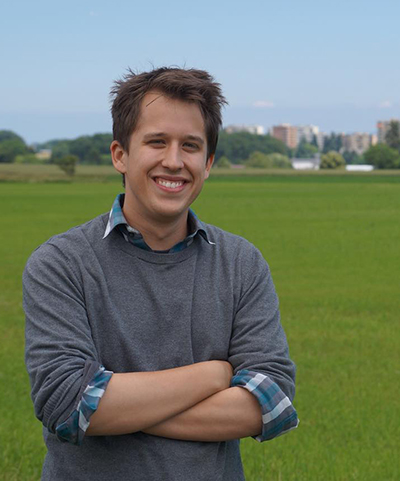
Commencement stories: Benjamin Smithers
Benjamin Smithers is a double major in mathematics and physics who is now working on his Ph.D.: an expedition into the world of neutrino physics.
-

Dust clouds can explain puzzling features of active galactic nuclei
Mysterious features seen in light emitted from active galactic nuclei may be due to partial obscuration by dust clouds, according to new study.
-
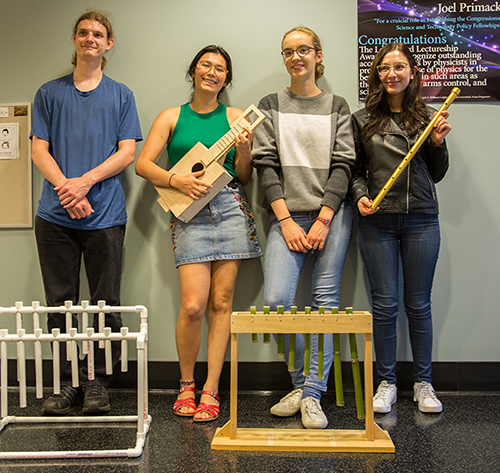
Instruments of good
Introductory physics students test their knowledge and get exposure to the wider world in a class project in which they create musical instruments to be donated to kids in need.
-
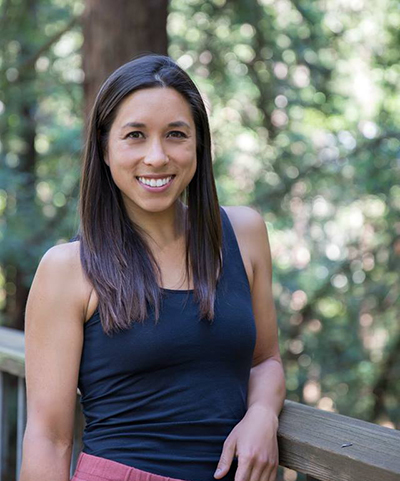
Commencement stories: Rachel Doran
Rachel Doran is a Ph.D. candidate in the graduate program in biomedical sciences and engineering, working on HIV immunogens. She has won a Graduate Research Symposium award for her presentation on “From armor to Achilles heel: Targeting the glycan shield of HIV in novel vaccine strategies”.
-
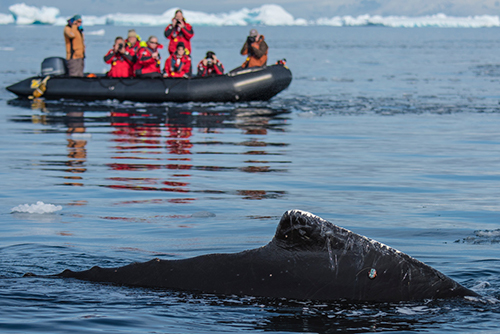
Help from the wizarding world
A gift from a Harry Potter–themed virtual running club enables a UC Santa Cruz professor to observe whales in Antarctica
-
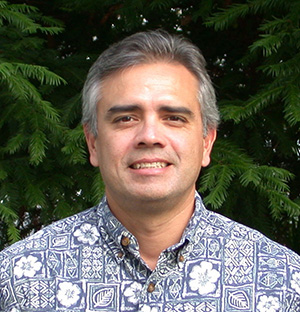
Climate scientist James Zachos appointed to Ida Benson Lynn Endowed Chair in Ocean Health
Zachos has spent his career studying episodes of climate change in Earth’s distant past and their relevance to current global warming.
-

Master’s degree approved for Science Communication Program
The UC Santa Cruz Science Communication Program will award students a M.S. degree in science communication starting in fall 2018.