Science
-
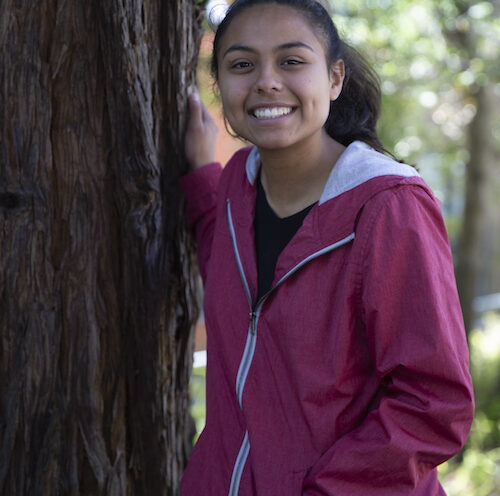
Breaking down barriers to success
First-gen student Reina Garay-Solis is doing undergraduate research to help identify common challenges for first-gen and underrepresented students and find effective institutional practices to address them
-

$2.6 million grant funds program to increase diversity of conservation leaders
New funding for the Doris Duke Conservation Scholars Program at UC Santa Cruz builds on the program’s successes in training the next generation of diverse conservation leaders.
-

CITRIS Core Seed Funding program invites proposals for 2020
The 2020 CITRIS Core Seed Funding program is now open for submissions.
-
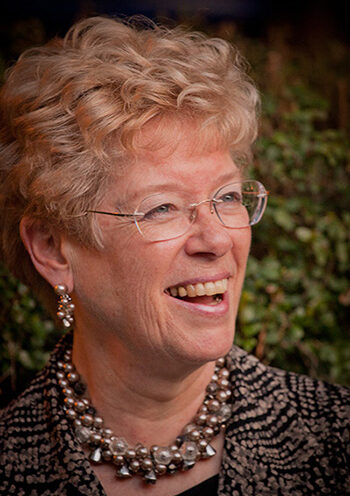
Astronomer Sandra Faber awarded Royal Astronomical Society’s Gold Medal
The Royal Astronomical Society has awarded its Gold Medal in Astronomy to Sandra Faber, professor emerita of astronomy and astrophysics at UC Santa Cruz.
-
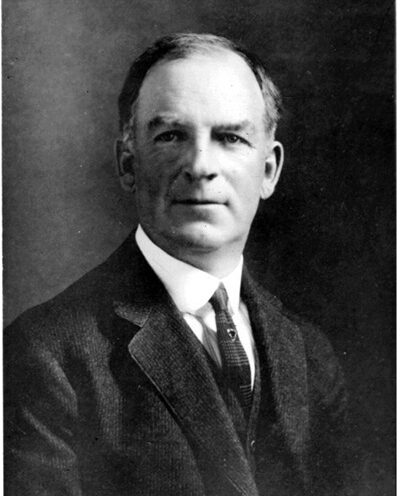
$1 million gift creates William Wallace Campbell Director’s Fund for Lick Observatory
A new endowment honoring the third director of Lick Observatory will support current and future directors’ priorities for the observatory.
-

Biologist Jordan Ward wins NSF CAREER Award
Jordan Ward, assistant professor of molecular, cell, and developmental biology, has received a Faculty Early Career Development (CAREER) Award from the National Science Foundation.
-
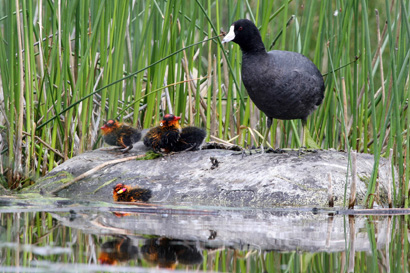
The mysterious case of the ornamented coot chicks has a surprising explanation
The bright colors of the chicks of American coots help their parents choose favorites, according to a new study.
-
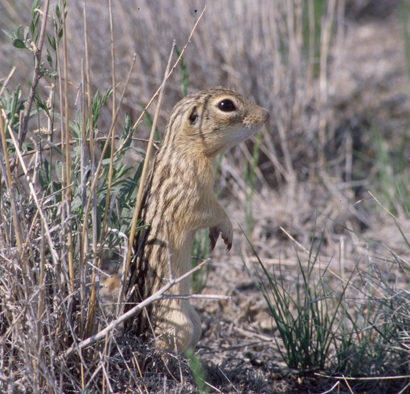
How genetics and social games drive evolution of mating systems in mammals
From monogamy to promiscuity, a new model explains the evolution of diverse mating systems based on the conflict between cooperative and competitive behaviors.
-
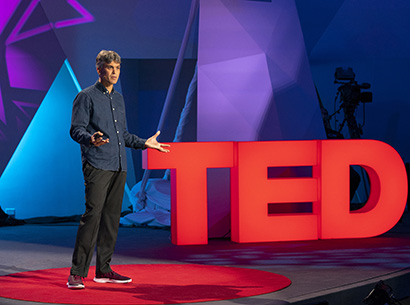
Astrophysicist Enrico Ramirez-Ruiz gives TED talk at National Academy of Sciences
Enrico Ramirez-Ruiz, professor of astronomy and astrophysics, is among a select group of scientists who delivered TED talks at the National Academy of Sciences in November.
-

Structural analysis reveals an unexpected mechanism for a cancer drug
Palbociclib is clinically approved for treating breast cancer, but it doesn’t work the way scientists thought it did.
-
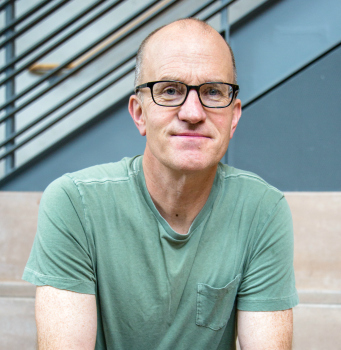
Biologist Doug Kellogg receives Outstanding Faculty Award
Doug Kellogg, professor of molecular, cell, and developmental biology, has received the 2018–19 Outstanding Faculty Award from the Division of Physical and Biological Sciences.
-

New system will capture and reuse scarce helium for critical lab instruments
As helium becomes increasingly expensive and difficult to obtain, a new recovery system will help ensure a reliable supply of the element needed for powerful research instruments.