Science
-
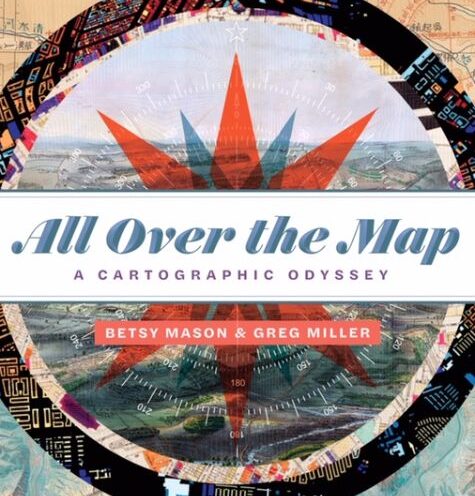
Mapping it out
A book by two Science Communication Program alumni celebrates the human fascination with maps, displaying more than 200 maps across history (and even fiction) and exploring the intriguing stories behind them.
-
Heising-Simons Foundation supports exoplanet imaging projects at UC Santa Cruz
Three new grants totaling $2.4 million will fund work at UCSC on new instruments and technologies to support research on planets beyond our solar system.
-
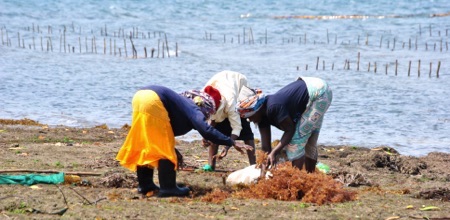
Aquaculture to benefit people and the environment
Two graduate students have received a one-year, $150,000 grant to create environmentally sound seaweed and sea cucumber farms on the coasts of Kenya and The Gambia.
-
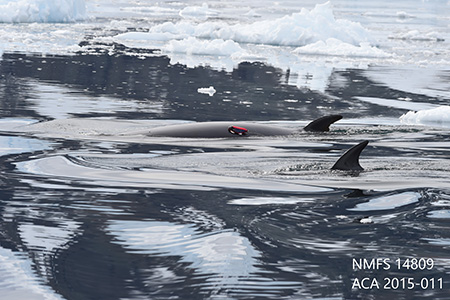
Researchers get a ‘whale’s-eye view’ of Antarctic sea ice
Cameras attached to a rare species of Antarctic whale are giving scientists an unprecedented view of how the whales survive in their sea ice habitat.
-

Molecular switch mechanism explains how mutations shorten biological clocks
Understanding the molecular mechanisms of our internal clocks may enable the development of therapies for sleep disorders and other effects of clock disruption.
-
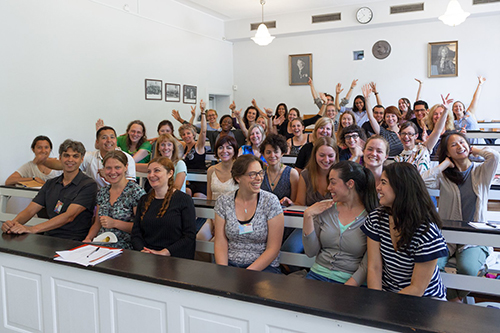
Bringing new perspectives to astronomy
An array of grants from the Heising-Simons Foundation is helping UC Santa Cruz accelerate astrophysics and other sciences while changing what we think an astrophysicist looks like
-
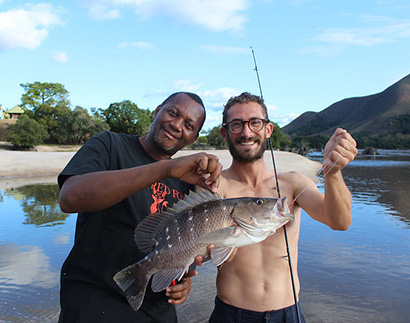
Proposed hydropower dams pose threat to Gabon’s fishes
Proposed hydropower dams in Gabon pose a substantial threat to the African nation’s most culturally and economically important fishes, according to a new study.
-

Stevenson College: An inclusive, collaborative social atmosphere
Stevenson College was built on a legacy of responsibility, engagement, and mutual understanding, preparing students to become leaders and to make positive social change in their communities.
-
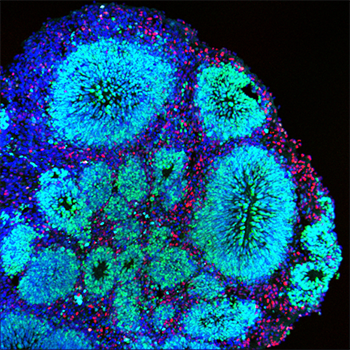
UCSC taking art/science LASER talk series downtown for special evening at Rio Theater
On Wednesday, Feb. 19, the Institute of the Arts and Sciences will bring its local LASER—now in its seventh year of quarterly talks on campus—downtown for a special evening at the Rio Theater in Santa Cruz, beginning at 7 p.m.
-
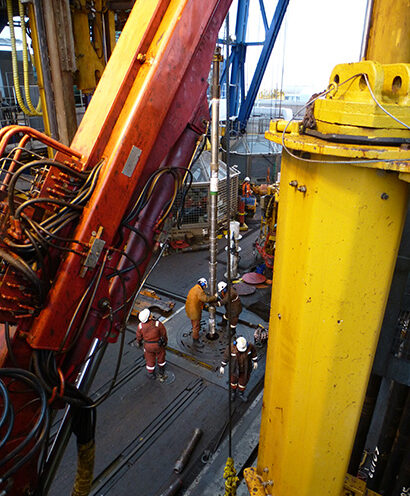
Seismic biomarkers in Japan Trench fault zone reveal history of large earthquakes
Researchers found multiple faults with evidence of more than 10 meters of slip during past large earthquakes in the region hit by the 2011 Tohoku-Oki earthquake and tsunami.
-
Mathematician François Monard wins NSF CAREER Award
Grant supports research on problems in integral geometry, the mathematics behind medical imaging and other applications.
-
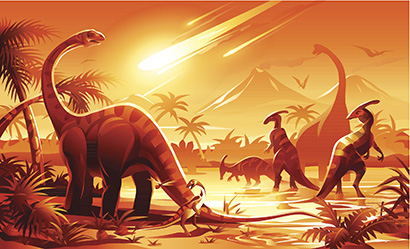
In death of dinosaurs, it was all about the asteroid — not volcanoes
Volcanic activity did not play a direct role in the mass extinction event that killed the dinosaurs, according to an international team of researchers.