Science
-

Giant planets found in the stellar suburbs
A planetary census conducted by the California Legacy Survey illuminates where giant planets tend to reside relative to their stars.
-

Non-hallucinogenic psychedelic analog reverses effects of stress in mouse study
Free of toxic and hallucinogenic side effects, ibogaine-inspired tabernanthalog shows promise as a potential treatment for the detrimental effects of stress on the brain.
-

Found in translation
Marine scientist Stacy Jupiter, the 2020 Alumni Achievement Award winner, translates science and analysis in ways that inspire people to change behaviors.
-
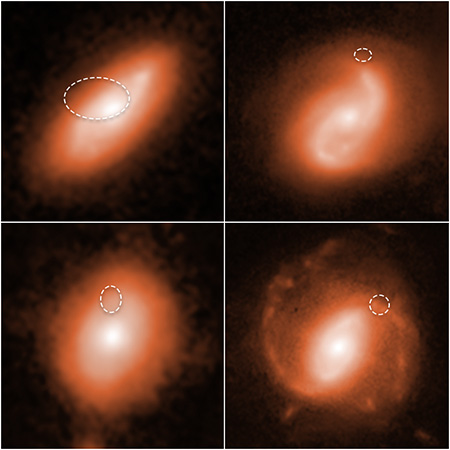
Astronomers track down fast radio bursts to galaxies’ spiral arms
Mysterious flashes of radio energy that disappear in the blink of an eye originate from young, massive galaxies.
-
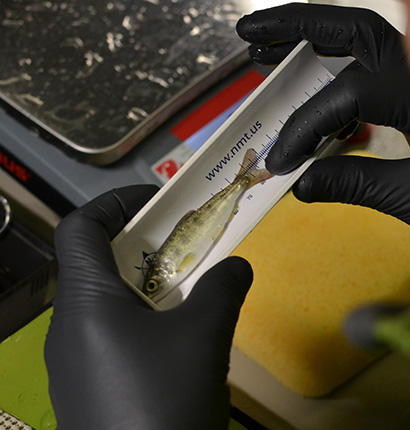
Survival of migrating juvenile salmon depends on stream flow thresholds
New understanding of relationship between stream flows and salmon survival provides a critical tool for balancing water needs in the highly managed Sacramento River.
-
Legendary oceanography professor has made sea changes in students’ lives
Devoted professor and beloved mentor Gary Griggs has no plans to step down—or even slow down—after 53 years of teaching, advising, and advocating for the environment.
-
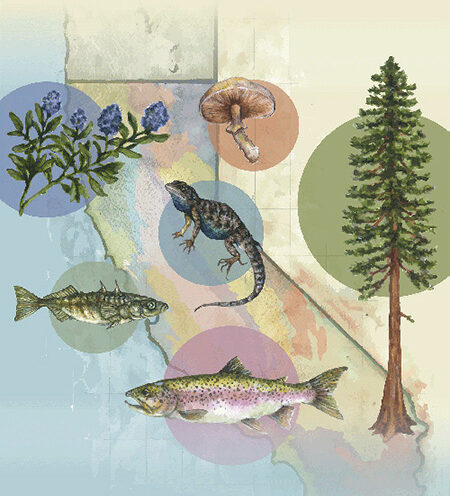
Missing the middle: the importance of regional-scale field research
Regional-scale research networks such as the UC Natural Reserve System are ideal for documenting the impact of climate change on plants and animals.
-

Ancient horse DNA reveals gene flow between Eurasian and North American horses
New findings show connections between the ancient horse populations in North America, where horses evolved, and Eurasia, where they were domesticated.
-
‘The only way society gets to reopen safely is if we are all vaccinated’
UC Santa Cruz COVID experts Rebecca DuBois, A. Marm Kilpatrick, and Susan Carpenter are urging all unvaccinated people to book an appointment to get their shots immediately, and follow CDC safety guidelines even after the vaccinations take effect.
-
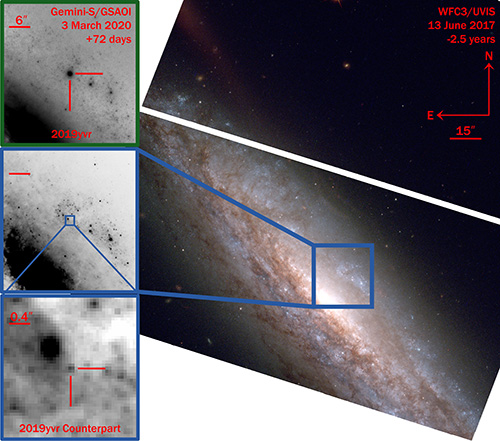
Temperamental supernova appeared strangely cool before exploding
A curiously yellow star has caused astrophysicists to reevaluate the possible pathways that can lead to the explosion of a massive star as a supernova.
-
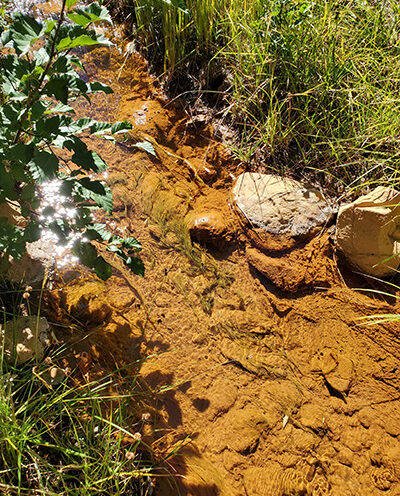
Long-term monitoring shows successful restoration of mining-polluted streams
Despite differences in aquatic life and toxic metals in streams across a broad region of the western United States, scientists found common responses to cleanup of acid mine drainage.
-

Physics grad student awarded DOE support for research at national lab
Eli Nygren, a graduate student in physics at UCSC, is among 78 outstanding U.S. graduate students to receive support from the Department of Energy’s Office of Science Graduate Student Research Program.