Science
-
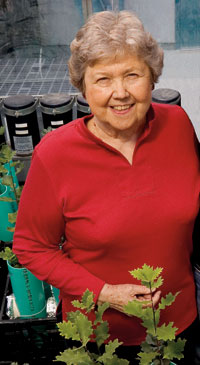
New endowment supports teaching and research at the Arboretum
A gift from botanist Jean Langenheim has established a new endowment in support of the UCSC Arboretum.
-
UCSC launches Center for Entrepreneurship
UCSC has launched a new Center for Entrepreneurship, which offers students across disciplines comprehensive, hands-on experience in bringing innovations to market.
-
Three UCSC professors elected to American Academy of Arts and Sciences
Three UCSC faculty are among 212 leaders in the sciences, arts, humanities, business, public affairs, and nonprofit sector, who have been elected this year as fellows of the American Academy of Arts and Sciences.
-
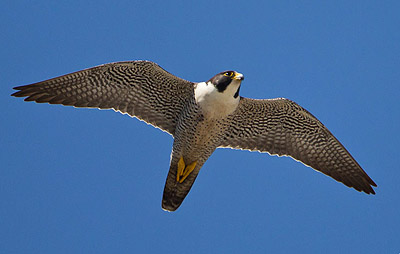
Baby falcons draw viewers to nest cameras in annual ritual
It’s that time of year again, when thousands of online viewers are captivated by adorable baby falcons huddled together in their nest boxes.
-
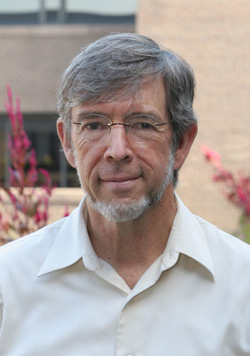
Cosmology and particle physics are focus of public talk on Monday, April 25
Princeton University physicist Curtis Callan will give a free public lecture on cosmology and particle physics on Monday, April 25.
-
Library exhibit honors faculty and the books that influenced them
During the month of April, an exhibit in the Science and Engineering Library will recognize UCSC faculty who have attained tenure or received promotion and showcase the books that have influenced them.
-
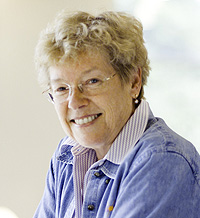
UCSC shines in survey of senior women in astronomy
The Department of Astronomy and Astrophysics has more senior women faculty members than any other astronomy department in the country.
-
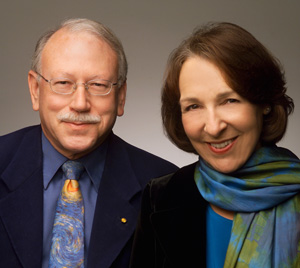
New book by Nancy Abrams and Joel Primack finds meaning in the cosmos
A new book by Nancy Abrams and Joel Primack explores the cultural and social implications of the modern scientific understanding of the universe.
-

Symposium celebrates influential career of biologist Burney Le Boeuf
Colleagues and former students of biologist Burney Le Boeuf gathered to celebrate his career.
-

Gilead grant supports collaborative drug discovery program with UCSC
Biopharmaceutical company Gilead Sciences is supporting a collaborative drug discovery program using UCSC’s unique collection of marine natural products.
-

Seymour Center presents lecture on scientific diving in Antarctica
Master divers Steve Clabuesch and Cecilia Shin will discuss diving beneath the ice in Antarctica in a public lecture on Sunday, March 20.