Science
-
Lick Observatory field trip available to undergraduate students
Seeing and Knowing in Art and Astronomy offers undergraduates a chance to learn about the Lick Observatory’s history and take part in workshops.
-
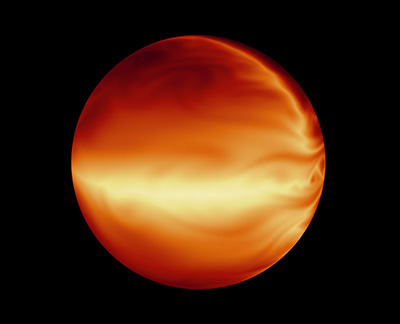
An eccentric ‘hot Jupiter’ yields clues to planet formation and evolution
Astronomers investigate how some gas giant planets end up so feverishly close to their stars.
-

Study shows biodiversity benefits of removing invasive mammals from islands
A global study documents conservation gains from efforts to eradicate invasive species from island ecosystems.
-
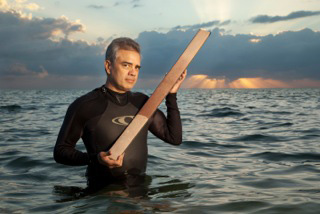
Current rate of carbon emissions is unprecedented in past 66 million years
New analysis shows that carbon emissions from human activities are moving the Earth’s climate system into uncharted territory.
-
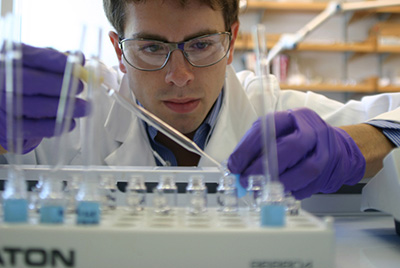
Coral analysis reveals how ocean ecosystems responded to climate shifts
Long-lived deep-sea corals hold clues to past ocean conditions in their growth rings.
-
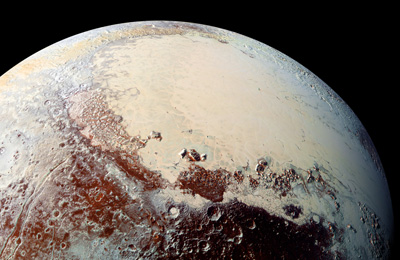
Pluto’s varied landscape reveals surprisingly complex geology
Pluto’s icy surface shows an astonishing variety of landscapes and evidence of active geological processes in images from New Horizons.
-

Leukemia study reveals role of RNA binding protein in driving cancer
A protein abnormally expressed in cancer cells was found to promote the proliferation of B cells in B-cell acute lymphoblastic leukemia
-
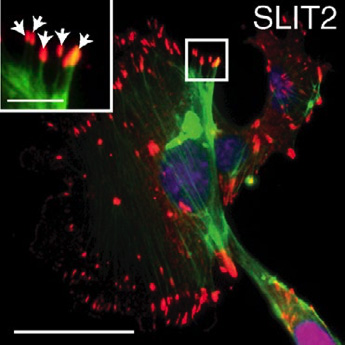
Cellular response to tissue stiffening may delay progression of breast cancer
Study identifies cellular signaling pathway associated with better prognosis for breast cancer patients
-

UC researchers publish roadmap for successful groundwater governance
UC Santa Cruz hydrologist Andrew Fisher coauthored recommendations for forming Groundwater Sustainability Agencies.
-
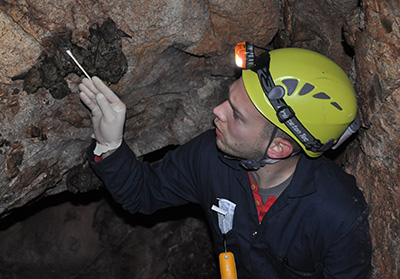
Bats in Asia found to have resistance to white-nose syndrome fungus
Some declining North American bat species could eventually evolve resistance to the devastating disease, scientists say.
-
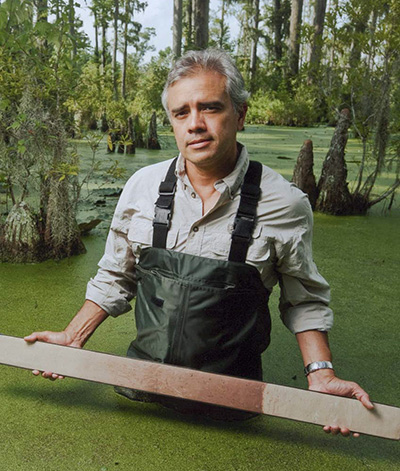
Earth scientist James Zachos honored by European Geosciences Union
Zachos will receive the 2016 Milutin Milankovic Medal for his groundbreaking contributions to climate science.
-
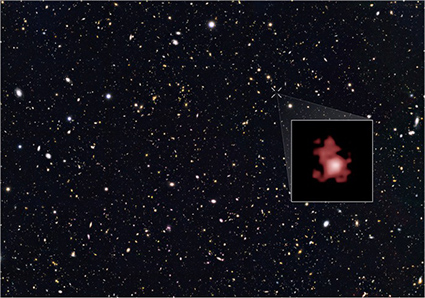
Astronomers break cosmic distance record (again)
UCSC astronomer Garth Illingworth and his collaborators have been pushing the limits of current telescopes to study the most distant galaxies, breaking the record twice within a year