Ecology & Evolutionary Biology
-
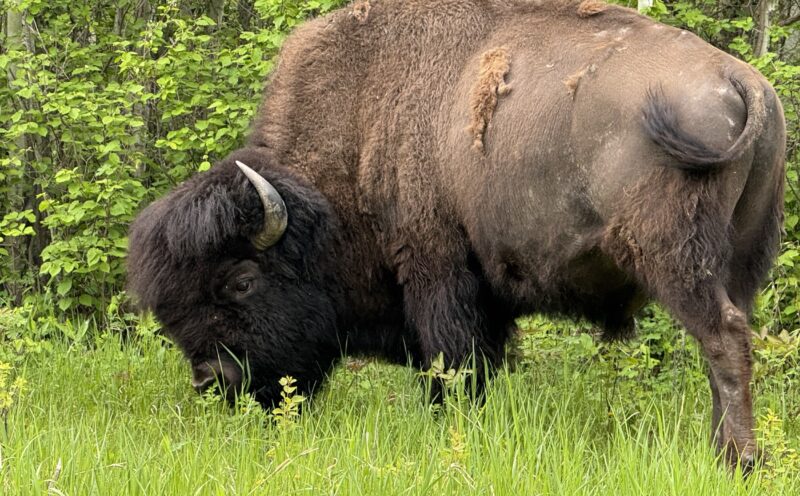
Decoding the North American bison’s genome to better inform conservation efforts
UC Santa Cruz researchers lead analysis of ancient DNA that yields a genomic roadmap for the restoration of the continent’s largest land mammal, pushed nearly to extinction because of past human activities
-
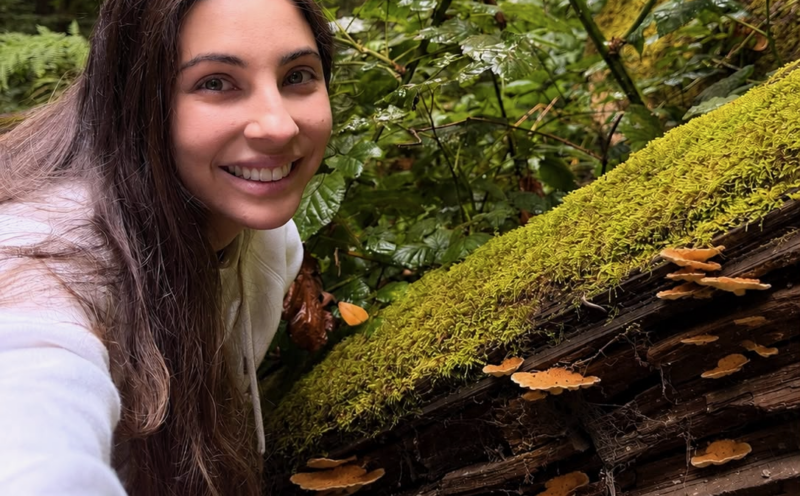
Nine projects receive seed funding from the Genomics Institute
From listening to the electrical signals of fungal networks in fire-scarred forests to training AI models that can interpret the most complex regions of the human genome, this year’s cohort is using genomics in bold new applications.
-
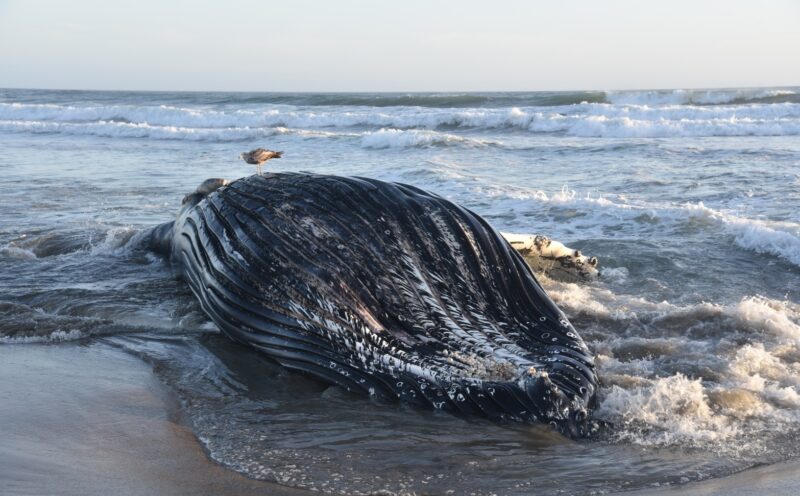
Toxic algal blooms linked to deaths of recently stranded humpback whales
Lab tests conducted at UC Santa Cruz of samples taken from the two carcasses found domoic acid, the biotoxin that causes neurological impairment, seizures, and death in marine mammals.
-
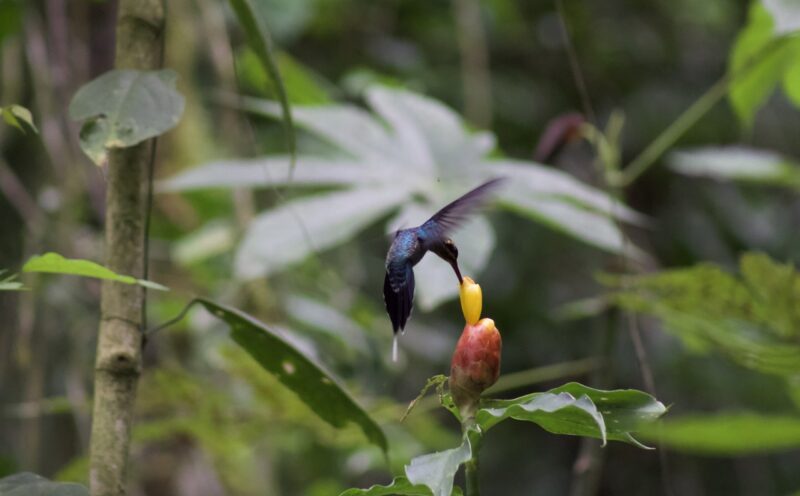
The best pollinators can drive evolutionary changes in flowers, new study finds
Researchers find hummingbirds to be better pollinators of mountain flowers than bees, prompting the plants to adopt traits that favor the fast, feathered carriers over the fuzzy, buzzy ones
-
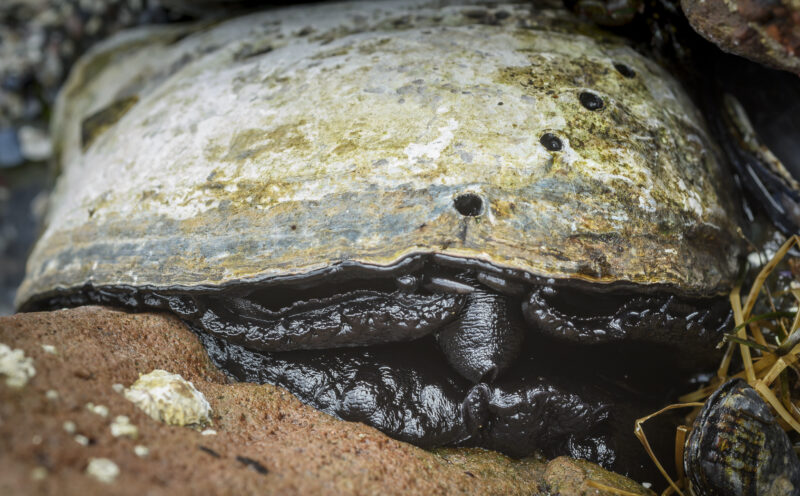
Ancient DNA offers hope for California’s critically endangered black abalone
UC Santa Cruz researchers have, for the first time, sequenced whole genomes from mollusk shells, unlocking 1,500 years of genetic history for a species on the brink
-
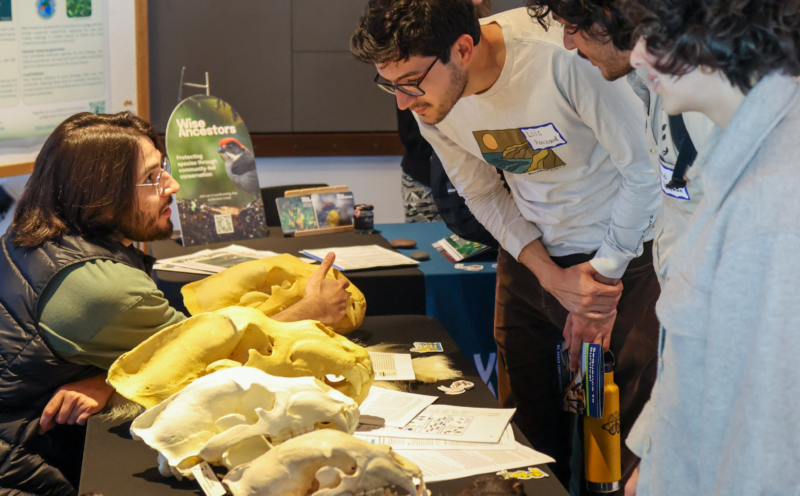
Extinction is not inevitable: Genomics symposium explores using DNA to save life on Earth
Conservation genomics is a bold new tool for protecting life on earth, but it will take all of us to slow the extinction crisis.
-

Collaborating ecology professors earn national honors and discuss their work together
Professors of ecology and evolutionary biology Roxanne Beltran and Erika Zavaleta have been recognized individually by the Ecological Society of America. But they also partner on research that bridges ecology, inclusive education, and field-based learning
-
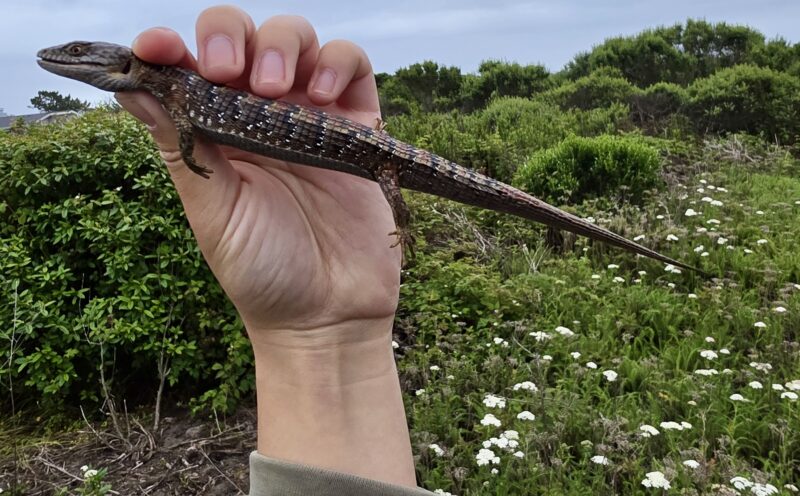
Over 5,000 biodiversity observations across more than 1,300 species equals first place in national competition
The campus chapter of the Ecological Society of America’s flagship education program SEEDS blew away all other competing chapters around the country, thanks to Santa Cruz’s thriving natural habitats
-
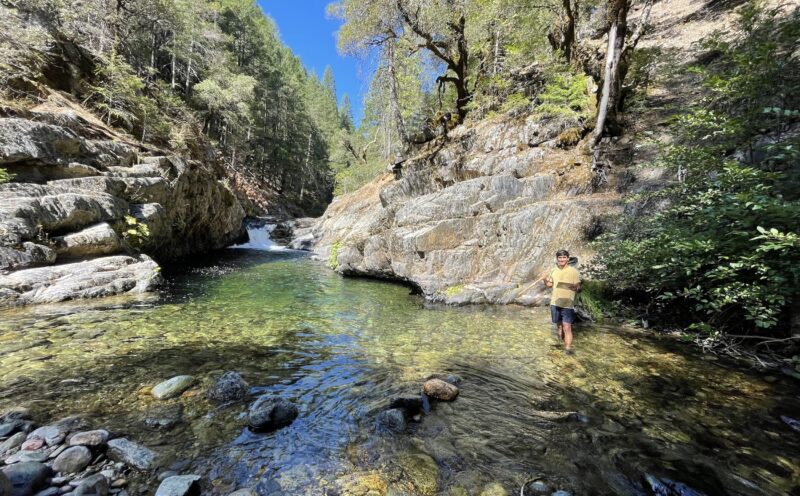
UC Santa Cruz receives California Department of Fish and Wildlife funding to assess health of state’s streams
A $2.2 million grant will scale a pioneering environmental DNA-based index, adding a broad biodiversity assessment tool that benefits statewide management of vital freshwater ecosystems
-
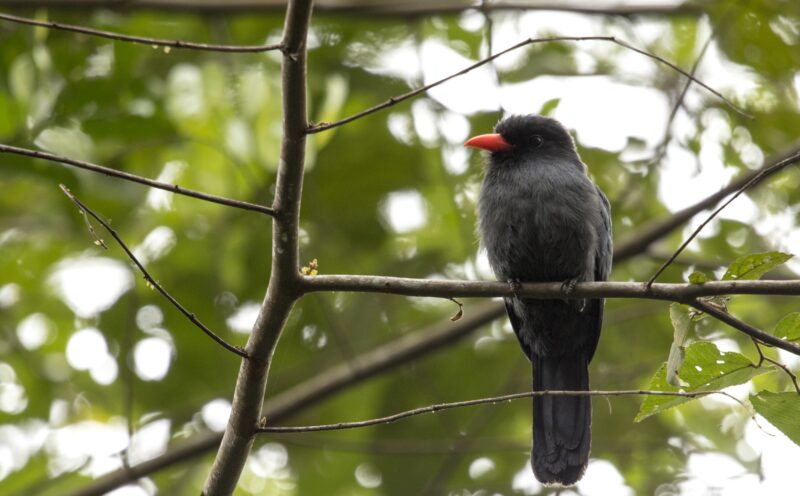
Dense rainforest canopy an acoustic ‘information highway’ for predator warnings
UC Santa Cruz’s Forest Fear Lab reveals how the dense upper story of the Amazon carries the cries of frightened birds to other animals
-

Anna Tsing and Terrie Williams named to American Academy of Arts & Sciences
The two faculty members are among the 252 leaders in academia, the arts, industry, journalism, philanthropy, policy, research, and science elected this year
-
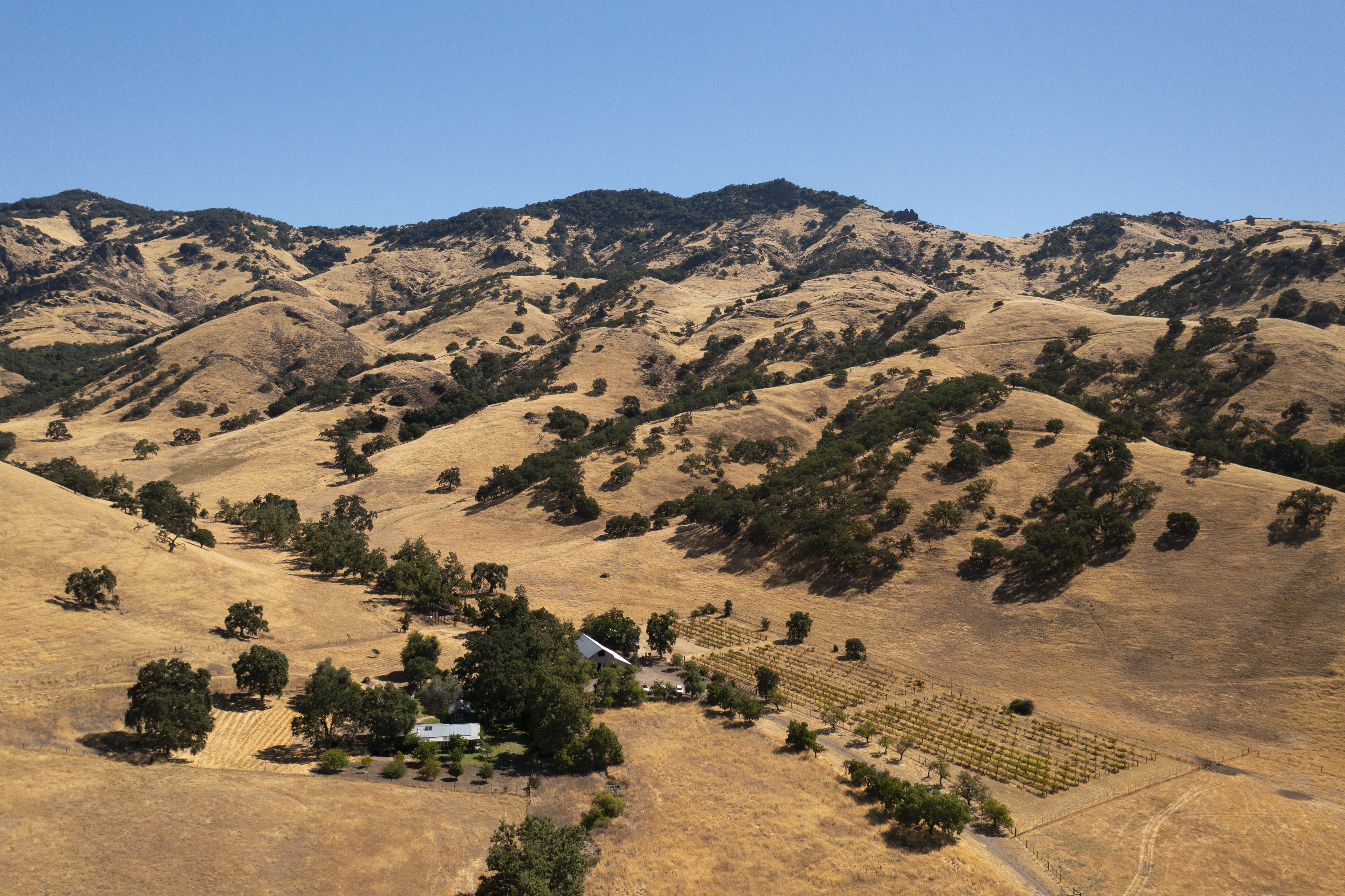
Threat of California’s native tree loss is greater than current estimates
New study finds that many of the state’s valuable and most recognizable trees could decline sooner than expected because current risk calculations don’t incorporate climate change