Earth & Planetary Sciences
-

Shallow slow-motion earthquakes detected offshore of New Zealand
Scientists documented slow slip in the shallow portion of an offshore subduction zone for the first time.
-
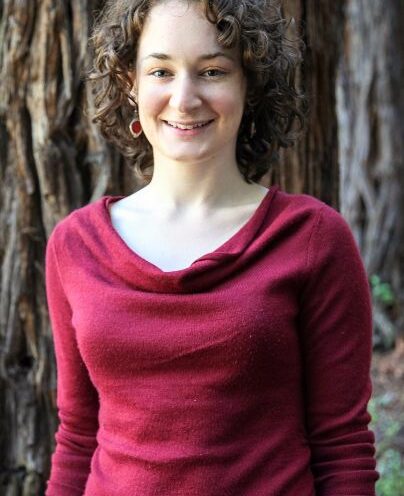
Percolating ideas
Grad student Sarah Beganskas is studying what could become part of the solution to California’s water crisis: collecting storm runoff so it can seep into the ground instead of being diverted to rivers and seas.
-
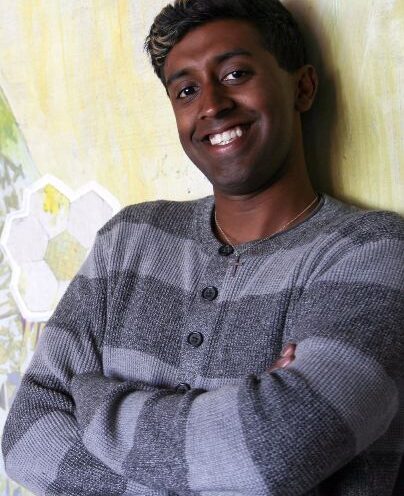
Enthusiasm, excitement for discovery drives Grad Slam winner
Planetary science student Michael Nayak has opened up new fields of study and planetary data analysis.
-
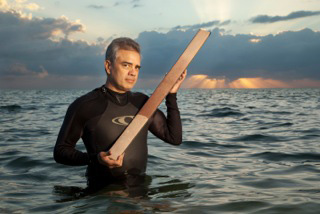
Current rate of carbon emissions is unprecedented in past 66 million years
New analysis shows that carbon emissions from human activities are moving the Earth’s climate system into uncharted territory.
-
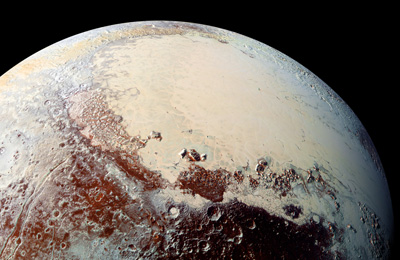
Pluto’s varied landscape reveals surprisingly complex geology
Pluto’s icy surface shows an astonishing variety of landscapes and evidence of active geological processes in images from New Horizons.
-
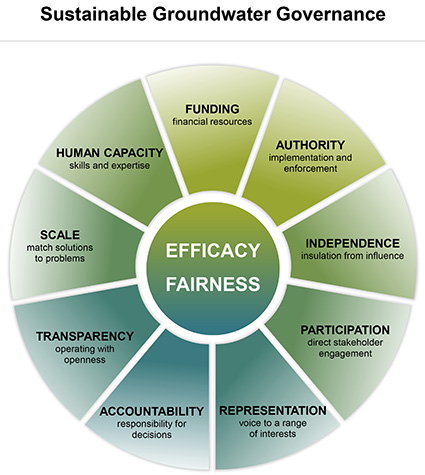
UC researchers publish roadmap for successful groundwater governance
UC Santa Cruz hydrologist Andrew Fisher coauthored recommendations for forming Groundwater Sustainability Agencies.
-
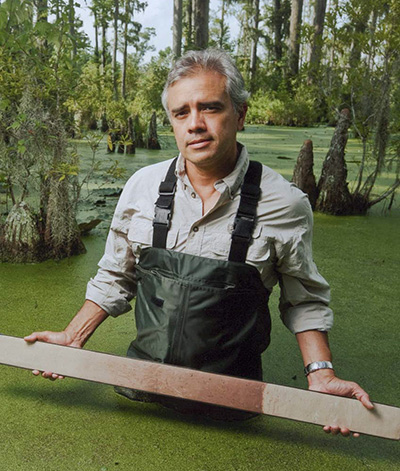
Earth scientist James Zachos honored by European Geosciences Union
Zachos will receive the 2016 Milutin Milankovic Medal for his groundbreaking contributions to climate science.
-
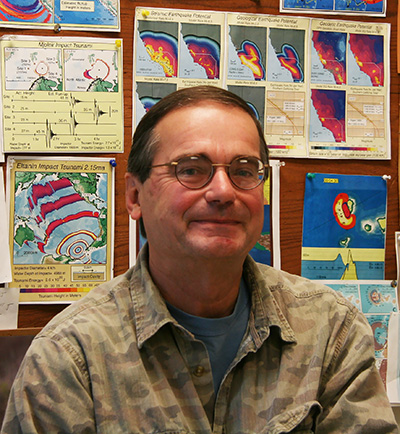
Geophysicist’s YouTube channel brings science to the people
Steven Ward’s simulations of tsunamis and other natural disasters have been viewed more than 2 million times.
-
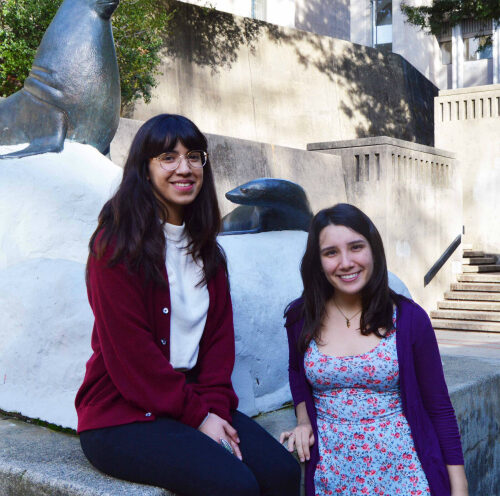
Inaugural Fred Keeley Coastal Scholars learn by doing
Erica Ferrer (Cowell, ’16, marine biology) and Linda Pineda (College Eight, ’16, Earth sciences) are the inaugural recipients of the Fred Keeley Coastal Scholarship–a new program that supports hands-on summer research for UC Santa Cruz students interested in coastal sustainability.
-
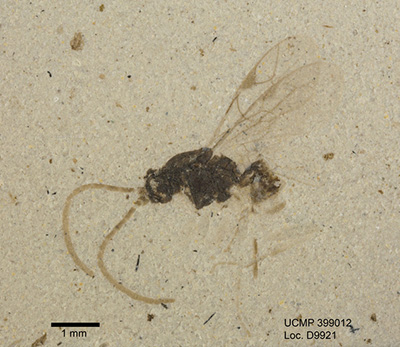
New analysis shows insect diversity is nothing new
An unbiased statistical analysis of insect fossil records finds diversity unchanged over the past 125 million years.
-

Earth scientist Paul Koch elected 2015 AAAS Fellow
Koch, dean of physical and biological sciences, was honored by the American Association for the Advancement of Science.
-

Formation of coastal sea ice in North Pacific drives ocean circulation and climate
New understanding of changes in North Pacific ocean circulation could lead to better global climate models.