Chemistry & Biochemistry
-

Scientists discover how a common mutation leads to ‘night owl’ sleep disorder
A small change in a key component of our biological clocks lengthens the clock period, causing people to stay up late at night and sleep late in the morning.
-
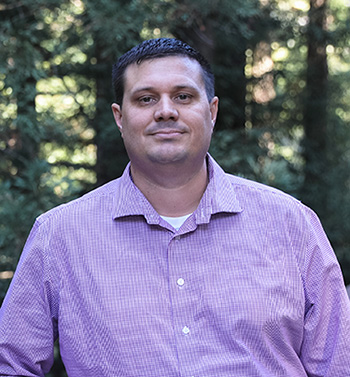
UC Santa Cruz leads research center on botanical dietary supplements
A new $5 million NIH grant supports a collaborative research program to understand the cellular mechanisms by which botanical natural products may affect human health.
-
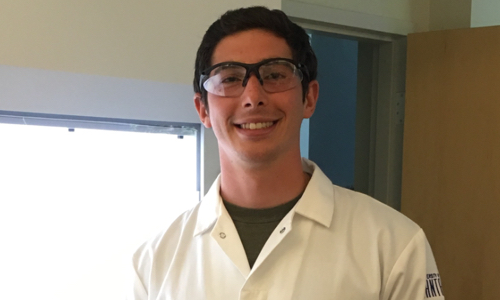
Steck Award recipient helps discover protein involved with circadian clock timing
Afred Freeberg assisted the Partch lab in studying the molecular basis for circadian rhythms – biological processes that occur naturally in line with the Earth’s 24-hour daily rotation cycle.
-

New method predicts spin dynamics of materials for quantum computing
A universal first-principles approach will accelerate the identification and design of materials for quantum information science and other spintronics applications.
-
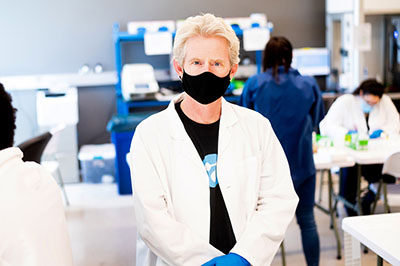
Alumnus leads massive effort to ramp up COVID-19 testing
UC Santa Cruz alumnus Joe DeRisi is one of the leading scientists in the fight against the novel coronavirus, helming a massive effort to ramp up state-of-the-art clinical laboratory testing for COVID-19 throughout California, while pioneering large-scale testing in Bay Area communities.
-
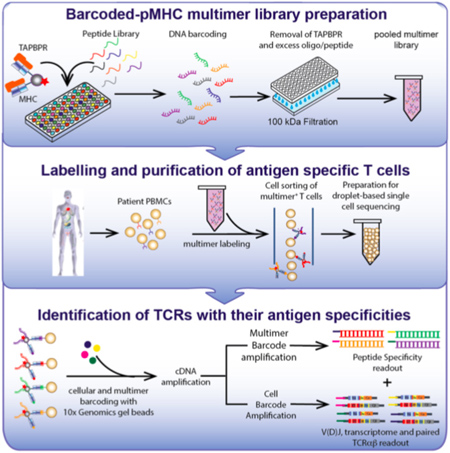
New high-throughput approach yields libraries of probes for immunological assays
Technical innovation enables rapid assessment of T cell repertoires for research and diagnostics, with potential applications in studying COVID-19 immune responses.
-
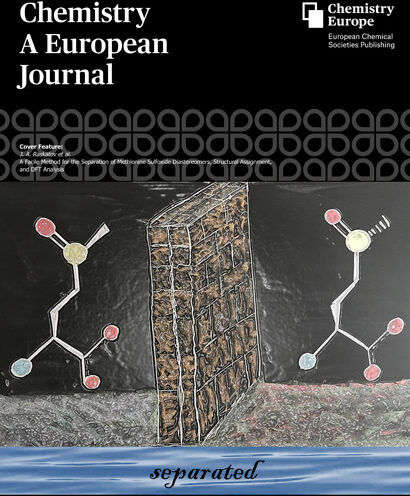
New isomer separation method a boon for research on protein oxidation
UCSC chemists have developed an easy way to separate the stereoisomers of an oxidized amino acid that has important functions in protein biology.
-
UCSC researchers are taking on the coronavirus challenge on multiple fronts
From developing diagnostic tests to conducting surveys of infection prevalence, campus researchers are doing what they can in response to the COVID-19 pandemic.
-
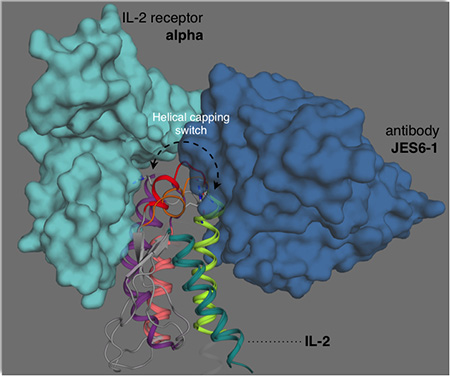
New understanding of immune modulator interleukin-2 guides drug discovery
A new study shows how IL-2’s flexible structure governs its effects on the immune system, providing crucial information for harnessing its therapeutic potential.
-

Molecular switch mechanism explains how mutations shorten biological clocks
Understanding the molecular mechanisms of our internal clocks may enable the development of therapies for sleep disorders and other effects of clock disruption.
-

Structural analysis reveals an unexpected mechanism for a cancer drug
Palbociclib is clinically approved for treating breast cancer, but it doesn’t work the way scientists thought it did.
-

New system will capture and reuse scarce helium for critical lab instruments
As helium becomes increasingly expensive and difficult to obtain, a new recovery system will help ensure a reliable supply of the element needed for powerful research instruments.