Chemistry & Biochemistry
-
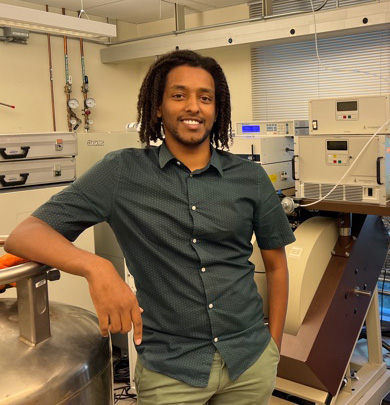
Study reveals the molecular origin of the genetic disease cystinosis
New understanding of how the transporter protein cystinosin functions may lead to better treatments for a devastating genetic disease.
-
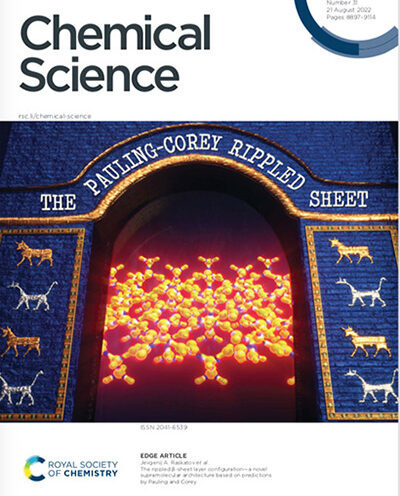
New study confirms ‘rippled sheet’ protein structure predicted in 1953
UCSC scientists reported three crystal structures of periodic rippled beta sheets, a novel protein structure with potential applications in biomedicine and materials science.
-
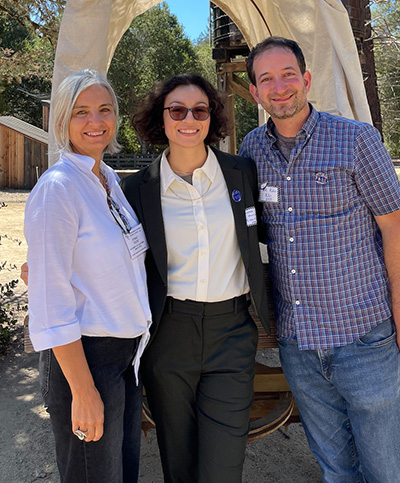
UCSC graduate student wins HHMI Gilliam Fellowship for Advanced Study
Gilliam Fellowships support exceptional graduate students and their advisers who are committed to increasing diversity among scientific leaders.
-

Biochemist Laura Sanchez wins ACS Infectious Diseases Young Investigator Award
Laura Sanchez, associate professor of chemistry and biochemistry at UCSC, has been chosen to receive the 2022 ACS Infectious Diseases Young Investigator Award.
-
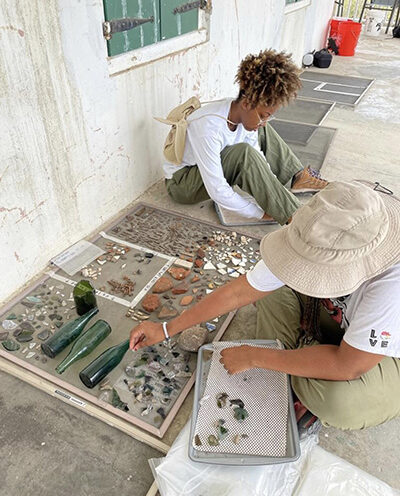
UC-HBCU grants support UCSC faculty collaborations with HBCUs
A summer research program and a historical archaeology course won funding from a UC initiative to support partnerships with Historically Black Colleges and Universities.
-
DOE supports UCSC ‘spin chemistry’ research with $1.2 million grant
Chemistry Professor Yuan Ping leads a project to develop computational tools for spin dynamics applications in chemistry and materials science.
-

New findings enable monitoring for harmful toxin in freshwater environments
Researchers have identified the genes involved in biosynthesis of guanitoxin, a potent neurotoxin produced by some freshwater harmful algal blooms.
-
Unlocking a cure for carbon monoxide poisoning
UCSC researcher Tim Johnstone has designed small molecules that can bind CO, sequester CO that is already bonded to hemoglobin, and rescue red blood cells exposed to CO, all promising signs for a future antidote for carbon monoxide poisoning.
-

Biochemist Laura Sanchez wins ASP Matt Suffness Young Investigator Award
Laura Sanchez, associate professor of chemistry and biochemistry, has been chosen by the American Society of Pharmacognosy as the 2022 winner of the ASP Matt Suffness Young Investigator Award.
-
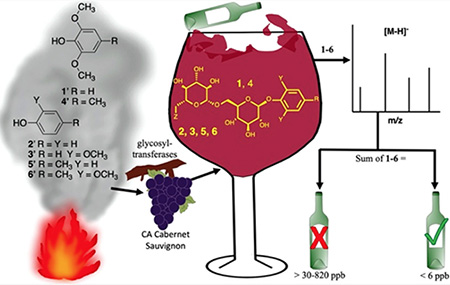
Chemical analysis reveals effects of wildfire smoke on grapes and wines
A new study provides practical guidelines for using biomarkers to identify ‘smoke taint’ in grapes and wines affected by the smoke from wildfires.
-
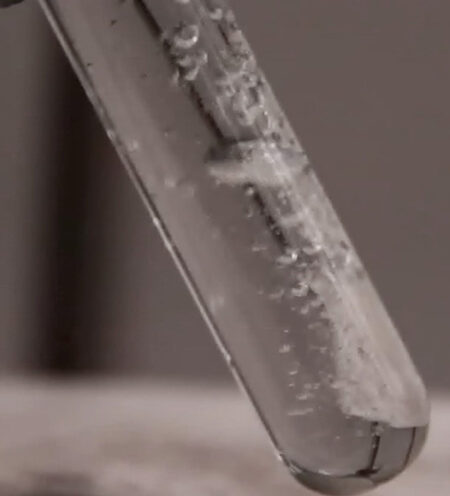
Easy aluminum nanoparticles for rapid, efficient hydrogen generation from water
UCSC chemists developed a simple method to make aluminum nanoparticles that split water and generate hydrogen gas rapidly under ambient conditions.