Chemistry & Biochemistry
-

Five student teams embark on tech for social good projects
Five student teams will take on tech for social good projects with funding from the UCSC CITRIS and the Banatao Institute and the UCSC Institute for Social Transformation.
-

Biochemist Laura Sanchez receives Allen Distinguished Investigator award
Sanchez is among 16 new Allen Distinguished Investigators awarded a total of $10 million in research funding to support cutting-edge projects in protein lifespan and nutrient sensing.
-
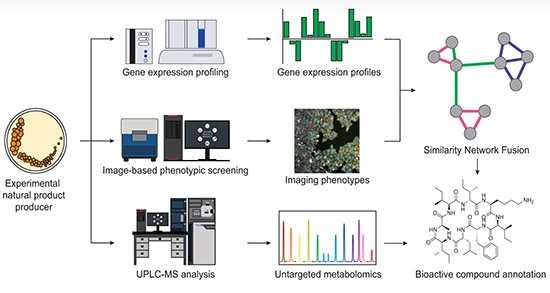
Integrated platform promises to accelerate drug discovery process
Novel approach integrates complex datasets from screening of natural products libraries, improving characterization of bioactive molecules and their mechanisms of action.
-
List of most highly cited researchers features 19 UCSC scientists and engineers
A new list of the world’s most highly cited researchers includes 19 scientists and engineers at UC Santa Cruz.
-
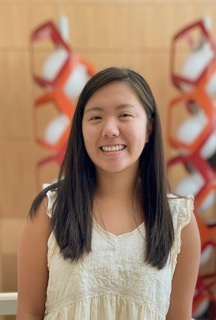
Transforming Support into Success: Jodi Lee
Thanks to many scholarships and awards, support from UC Santa Cruz resources and faculty members, and support and love from her family, Jodi Lee is now in her first year of graduate school at UCSF —and the first in her family to pursue a Ph.D.
-
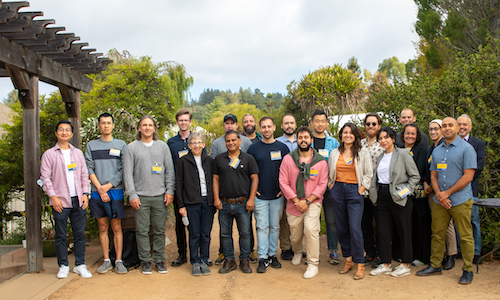
UCSC welcomes 41 outstanding new faculty members
With the start of the 2022-23 academic year, UC Santa Cruz welcomes 41 new senate faculty members. The research and creative scholarship and expertise brought to our campus by these new faculty colleagues will strengthen existing areas of work and open discovery opportunities.
-

UCSC chemistry department garners three NIH MIRA grants
These grants provide five years of funding for research programs at UCSC on protein synthesis, biosynthetic strategies, and biochemical mechanisms involved in cancer.
-
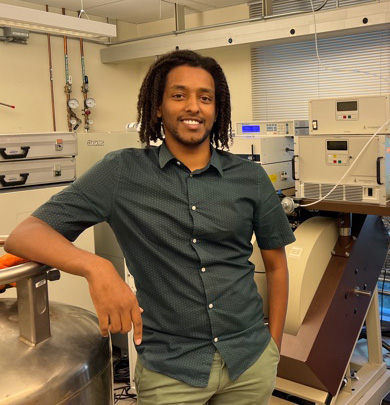
Study reveals the molecular origin of the genetic disease cystinosis
New understanding of how the transporter protein cystinosin functions may lead to better treatments for a devastating genetic disease.
-
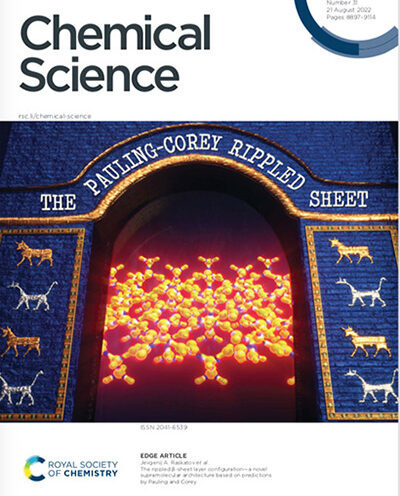
New study confirms ‘rippled sheet’ protein structure predicted in 1953
UCSC scientists reported three crystal structures of periodic rippled beta sheets, a novel protein structure with potential applications in biomedicine and materials science.
-
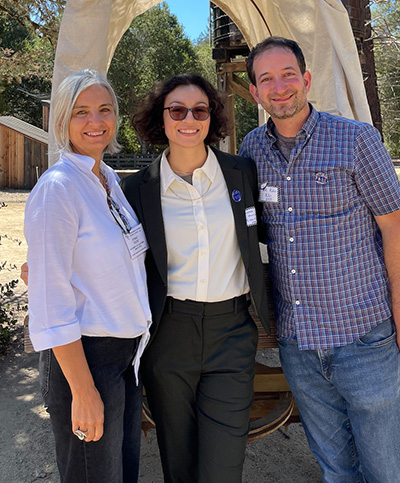
UCSC graduate student wins HHMI Gilliam Fellowship for Advanced Study
Gilliam Fellowships support exceptional graduate students and their advisers who are committed to increasing diversity among scientific leaders.
-

Biochemist Laura Sanchez wins ACS Infectious Diseases Young Investigator Award
Laura Sanchez, associate professor of chemistry and biochemistry at UCSC, has been chosen to receive the 2022 ACS Infectious Diseases Young Investigator Award.
-
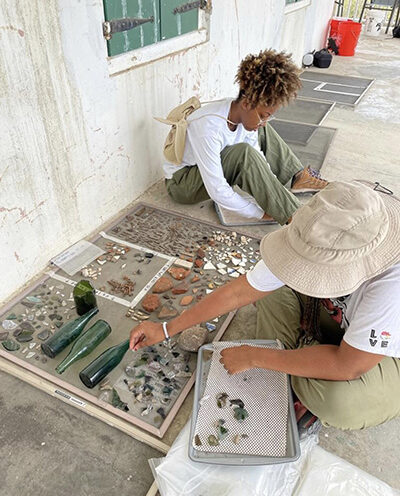
UC-HBCU grants support UCSC faculty collaborations with HBCUs
A summer research program and a historical archaeology course won funding from a UC initiative to support partnerships with Historically Black Colleges and Universities.