Astronomy & Astrophysics
-
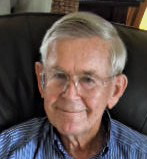
In Memoriam: Lloyd Robinson (1929–2020)
Lloyd Burdette Robinson died peacefully in his sleep on March 12, 2020. He was 90.
-
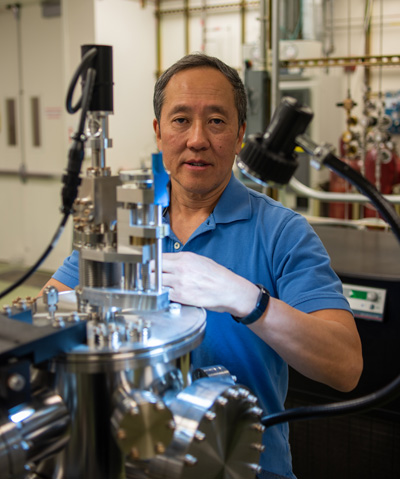
UCSC thin-film expertise to help develop NASA’s next generation of space telescopes
Engineer Nobuhiko Kobayashi’s expertise in thin-film technology could improve the performance of NASA’s next generation of space telescopes.
-
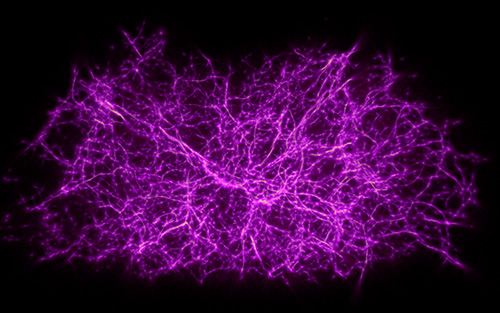
Astronomers use slime mold model to reveal dark threads of the cosmic web
The problem-solving prowess of a simple slime mold has been harnessed to trace the large-scale structure of the universe.
-
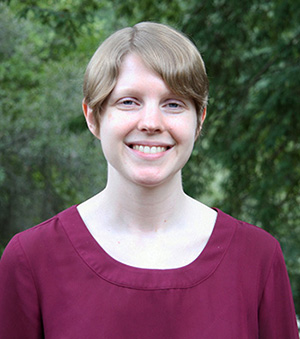
Heising-Simons Foundation supports exoplanet imaging projects at UC Santa Cruz
Three new grants totaling $2.4 million will fund work at UCSC on new instruments and technologies to support research on planets beyond our solar system.
-
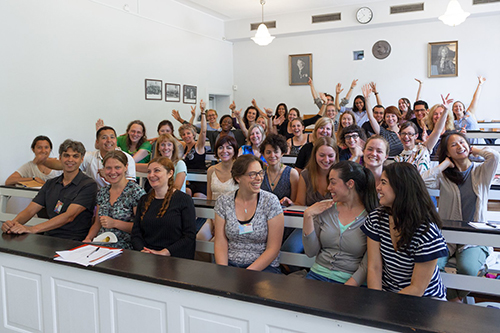
Bringing new perspectives to astronomy
An array of grants from the Heising-Simons Foundation is helping UC Santa Cruz accelerate astrophysics and other sciences while changing what we think an astrophysicist looks like
-
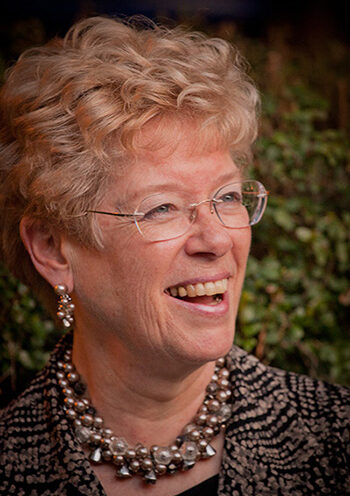
Astronomer Sandra Faber awarded Royal Astronomical Society’s Gold Medal
The Royal Astronomical Society has awarded its Gold Medal in Astronomy to Sandra Faber, professor emerita of astronomy and astrophysics at UC Santa Cruz.
-
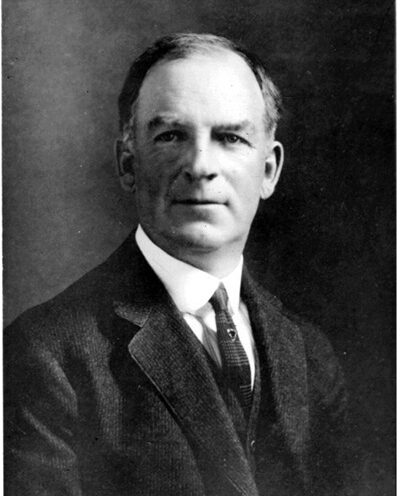
$1 million gift creates William Wallace Campbell Director’s Fund for Lick Observatory
A new endowment honoring the third director of Lick Observatory will support current and future directors’ priorities for the observatory.
-
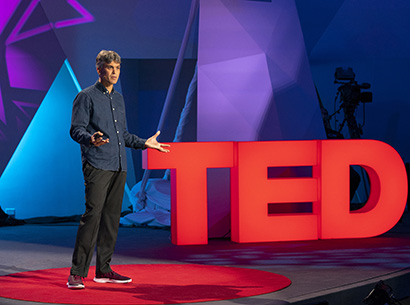
Astrophysicist Enrico Ramirez-Ruiz gives TED talk at National Academy of Sciences
Enrico Ramirez-Ruiz, professor of astronomy and astrophysics, is among a select group of scientists who delivered TED talks at the National Academy of Sciences in November.
-
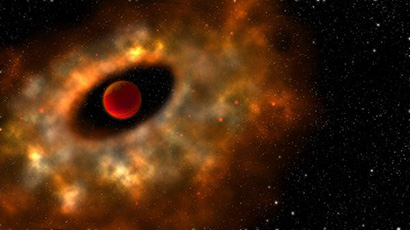
Composition of gas giant planets not determined by host star, study finds
Research led by astronomers at UC Santa Cruz and Carnegie Institution for Science has implications for understanding how planets form.
-
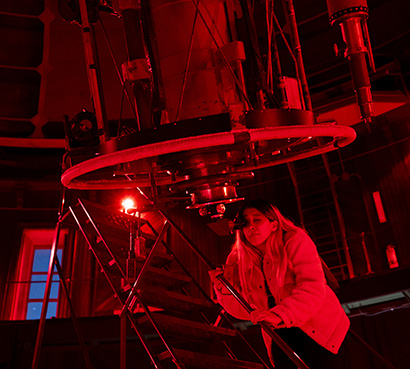
Lick Observatory continues popular program for Spanish-speaking community
‘La Noche de las Estrellas’ at Lick Observatory brings science to Spanish-speaking students and their families.
-
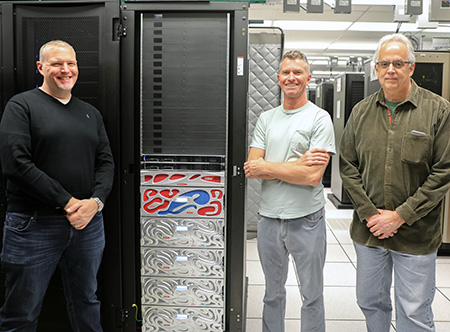
Powerful new supercomputer supports campus research in physical sciences
UCSC faculty are using the new system for research in astrophysics, climate science, materials science, chemistry, and other fields.
-
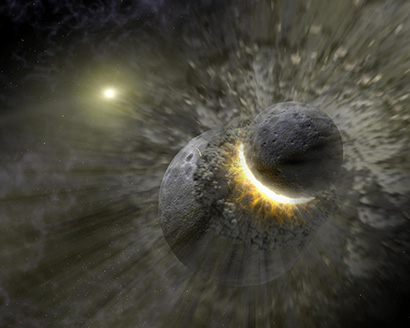
Simulations explain giant exoplanets with eccentric, close-in orbits
A giant-impacts phase in the evolution of planetary systems can explain the observations of close-in giant planets with eccentric orbits.