Astronomy & Astrophysics
-

Blazing a Slug trail to the Olympics
Rhythmic gymnast Izzy Connor will be the first UC Santa Cruz student to compete in the Olympics—the result of years of both personal struggle and success.
-
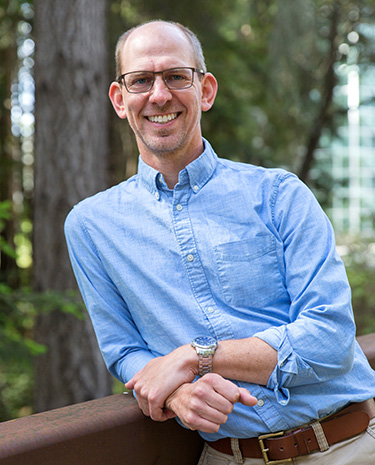
Jonathan Fortney garners Simons Investigator in Astrophysics award
The $500,000 award from the Simons Foundation will support Fortney’s research on planetary atmospheres.
-
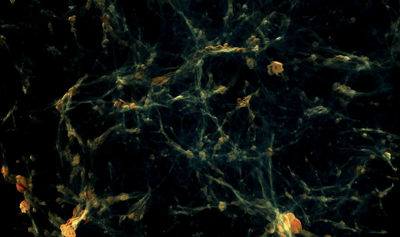
Cosmic dawn occurred 250 to 350 million years after Big Bang
Cosmic dawn, when stars formed for the first time, occurred 250 million to 350 million years after the beginning of the universe, according to a new study.
-
Searching for answers in the cosmos
Alumna Olivia Ross, winner of this year’s prestigious Steck Award, took on the daunting quest of trying to find primordial black holes. Her faculty mentor calls this young, tireless scientist a “one-in-a-generation gem.”
-
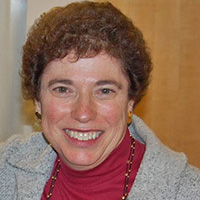
Claire Max to retire as director of UC Observatories
Claire Max, director of the University of California Observatories (UCO) and the Bachmann professor of astronomy and astrophysics at UC Santa Cruz, will retire at the end of June.
-

Giant planets found in the stellar suburbs
A planetary census conducted by the California Legacy Survey illuminates where giant planets tend to reside relative to their stars.
-
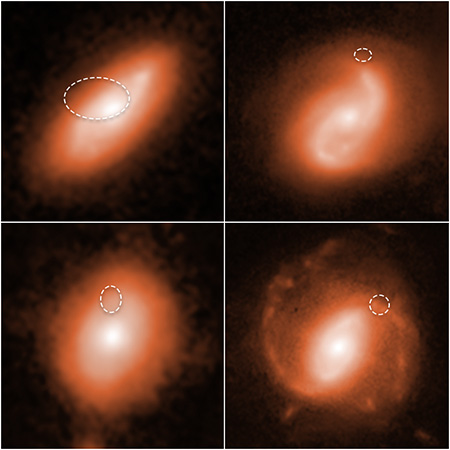
Astronomers track down fast radio bursts to galaxies’ spiral arms
Mysterious flashes of radio energy that disappear in the blink of an eye originate from young, massive galaxies.
-
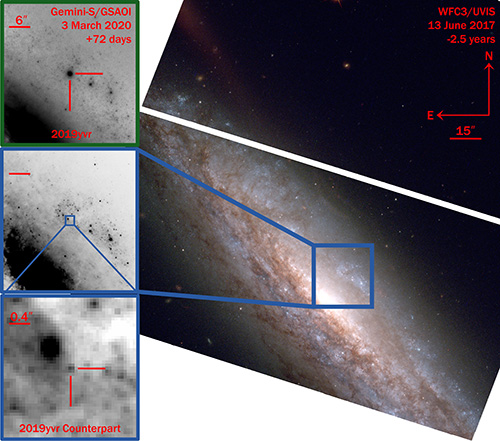
Temperamental supernova appeared strangely cool before exploding
A curiously yellow star has caused astrophysicists to reevaluate the possible pathways that can lead to the explosion of a massive star as a supernova.
-
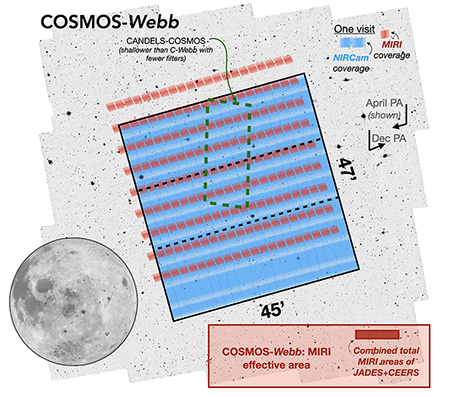
James Webb Space Telescope program aims to map the earliest structures of the universe
COSMOS-Webb is slated to be the largest program in JWST’s first year of operation.
-
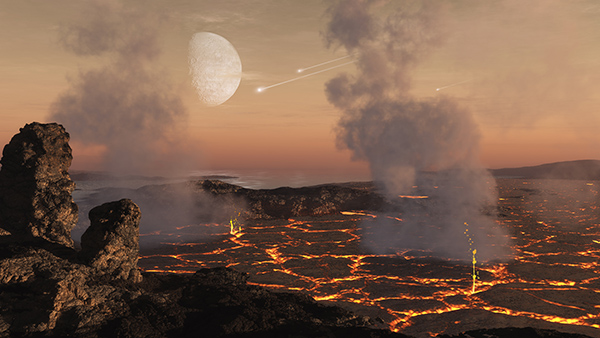
Baked meteorites yield clues to planetary atmospheres
The gases released from meteorite samples heated in a high-temperature furnace can tell scientists about the initial composition of the atmospheres of rocky exoplanets.
-
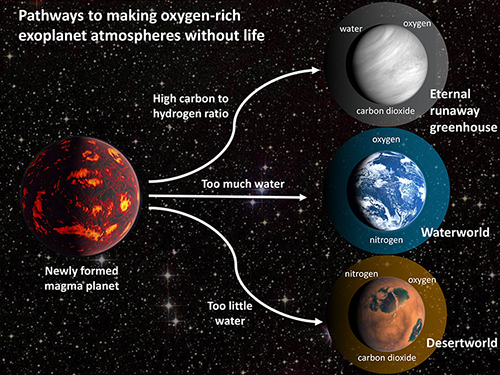
Study warns of ‘oxygen false positives’ in search for signs of life on other planets
Oxygen in the atmosphere may not be an entirely reliable ‘biosignature,’ but there are ways to distinguish false positives from signs of life.
-

Postdoctoral fellowships support planetary science research
Emily Martin and Melodie Kao have won 51 Pegasi b Fellowships to support their research on exoplanets.