Science Communication
-

Team builds best-performing detection system for next-generation accelerators
At the high beam-repetition rates of advanced accelerators, eventually reaching beyond one billion times per second, existing detection systems that are critical for ensuring precise measurements fail
-

Hands-on experiences help students tell powerful climate-resilience stories
Internships at the Seymour Marine Discovery Center give students in-demand multimedia experience with video production and digital storytelling about how science can lead to meaningful solutions for coastal communities
-
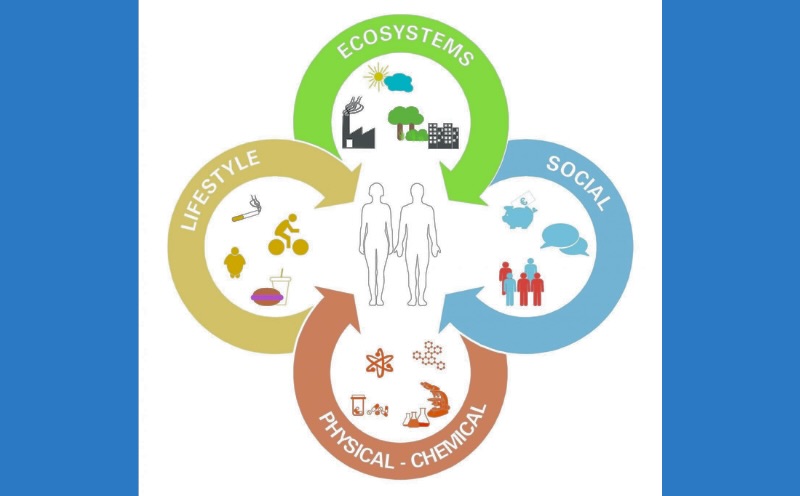
Mother’s diet and environment may disrupt children’s metabolism
UC Santa Cruz environmental toxicologists find links between mother’s diet, environment, and metabolic-disease risk in mice offspring
-

Indigenous leaders take center stage at event on funding sustainability projects
The inaugural Economic Futures Summit created space for connection, Indigenous innovation, and collective investment in environmental sustainability efforts
-

ARCS Foundation scholarships support 14 outstanding graduate students in science and engineering for 2025-26
The scholarships are awarded to students who show exceptional promise of making a significant contribution to the scientific and technological strength of the country.
-
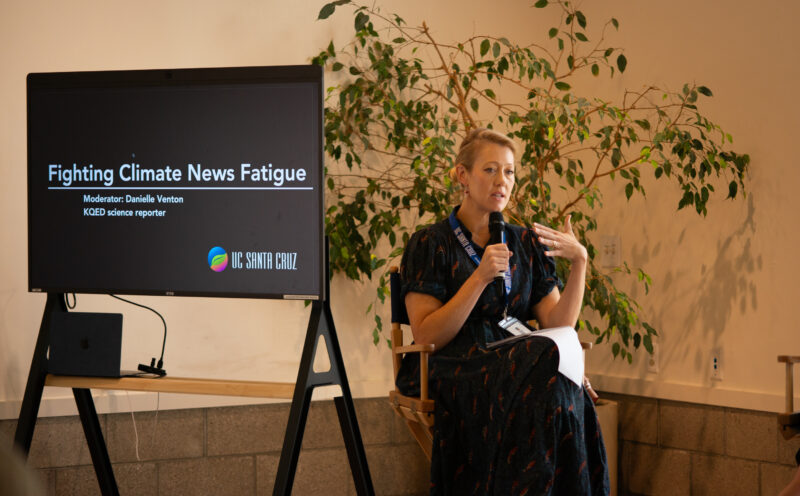
Symposium shows creativity, conviction are key to communicating climate solutions
From card games to virtual reality, innovative climate researchers are finding new ways to engage the public
-
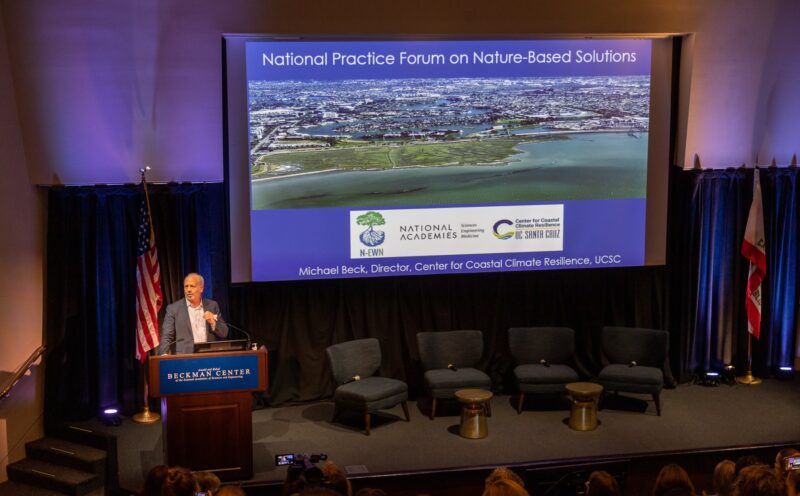
Sign up for new symposium on communicating climate solutions
Amid polarized discourse on climate change and science, trusted communicators in communities may be key to discussing solutions
-
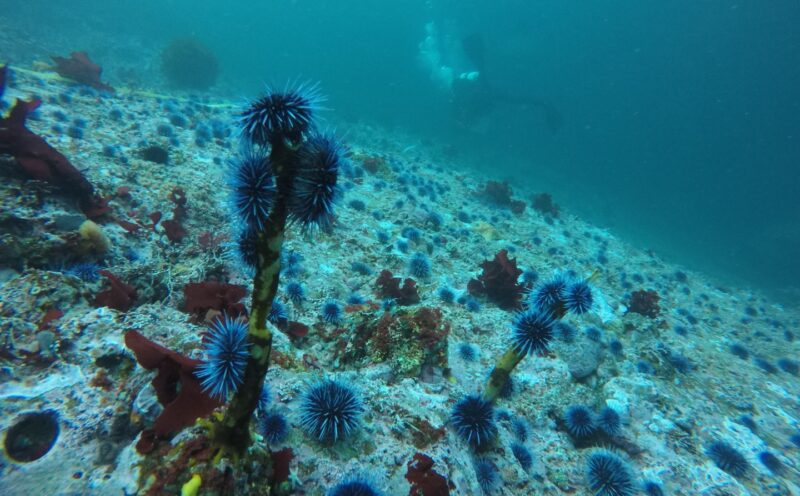
A data-driven model to help avoid ecosystem collapse
New study gives conservationists a simpler, general approach for predicting an ecosystem’s tipping point and what comes next
-
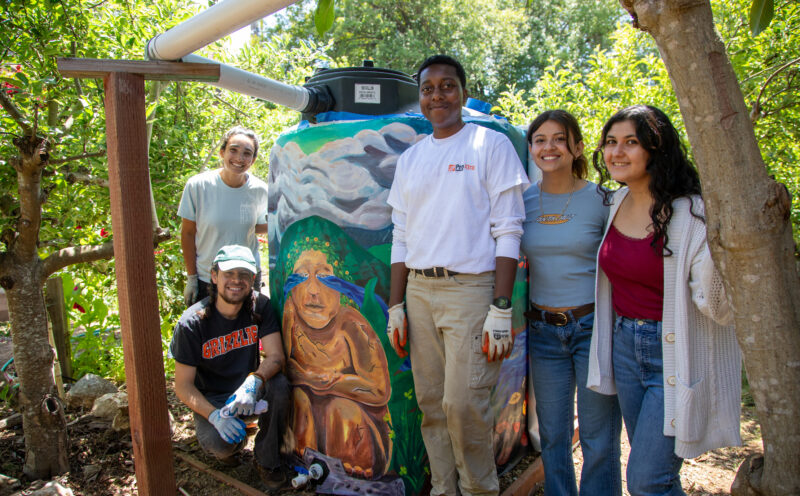
Innovative and artful rainwater harvesting nourishes gardens and hope
UC Santa Cruz cosmologist leads widely interdisciplinary project funded by the Center for Coastal Climate Resilience to turn urban runoff into low-cost irrigation
-

Rethinking climate adaptation: Researchers call for a holistic approach to species on the move
Animals adapt in more ways than one – ignoring that complexity could undermine efforts to help them survive climate change.
-
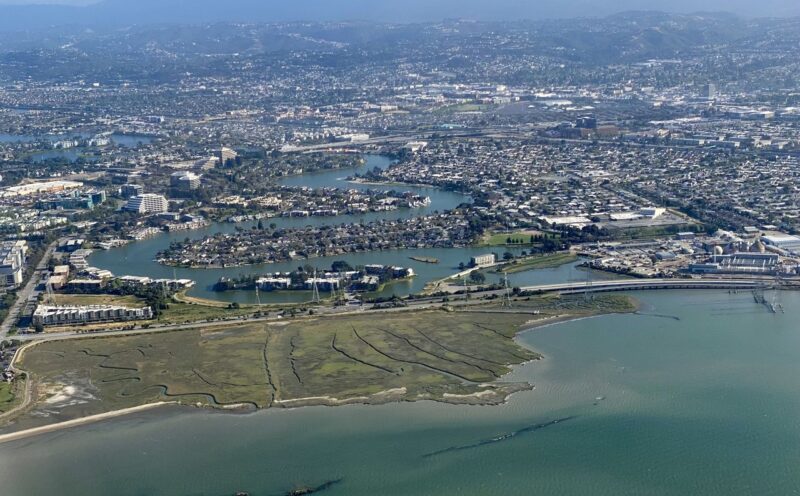
Facing the storm: UC Santa Cruz researchers model a new line of coastal defense
Buffering aging levees with sloping wetlands reduces flood risk while establishing beneficial ecosystems.
-
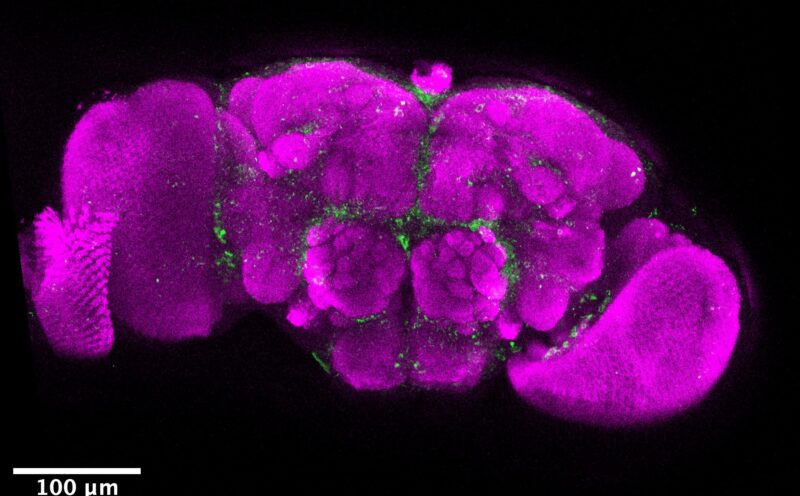
Molecular observations by UC Santa Cruz scientists demystify parasitic mind control
Using brain mapping, genetic engineering and machine learning, scientists reveal how parasitic bacteria take over fruit fly brains.