Biomolecular Engineering
-

Scientists program stem cells to mimic first days of embryonic development
Their “programmable” embryo-like structures, also known as embryoids, can be used to study the role of certain genes in early development
-
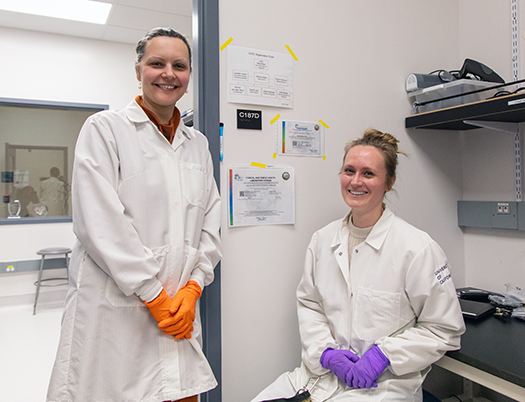
Clinical pediatric cancer lab at UC Santa Cruz is cleared to accept and test patient samples
The UC Santa Cruz Colligan Clinical Diagnostic Laboratory has received its CLIA certificate of registration from the California Department of Public Health, which clears the way for it to begin accepting patient samples.
-

Newest Genome Browser features highlight the power of generative AI and machine learning for biology
The UCSC Genome Browser has added two new datasets that leverage the power of generative AI and machine learning to interpret information about genetic variants and more rapidly assess which ones might be harmful to human health
-
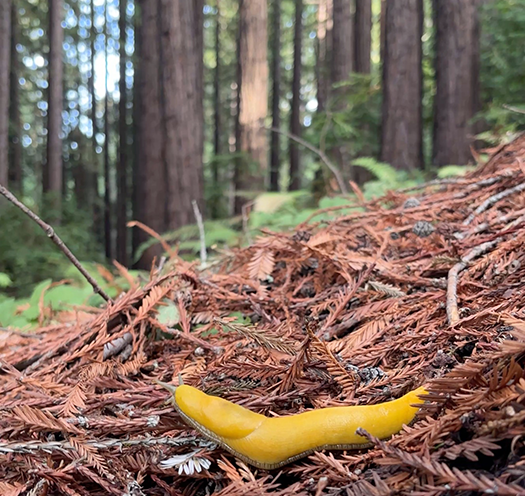
UC Santa Cruz scientists slither into the history books with first complete genome of a banana slug
Not only is the banana slug the endearing mascot for UC Santa Cruz — making the project fitting for campus researchers — but the slugs’ unique slime was a particularly challenging undertaking for UCSC’s experts in genomics.
-

UC Santa Cruz Innovation Catalyst Grant program propels research into real-world solutions
UC Santa Cruz has announced the Innovation Catalyst Grant proof-of-concept program awardees, showcasing the campus’s commitment to fostering transformative research with significant societal benefits.
-
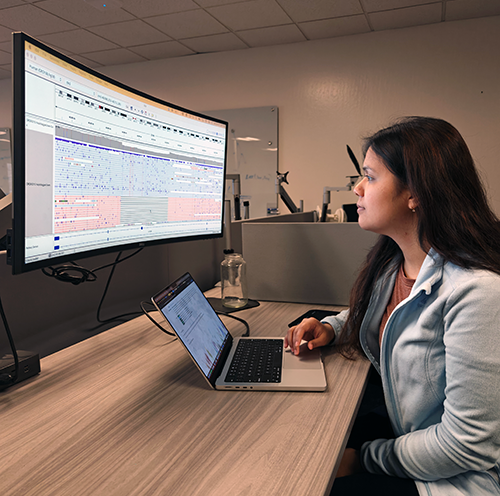
Long read sequencing reveals more genetic information while cutting time and cost of rare disease diagnoses
A new study shows that long-read sequencing has the potential to improve the rate of diagnosis while reducing the time to diagnosis from years to days — in a single test and at a much lower cost.
-
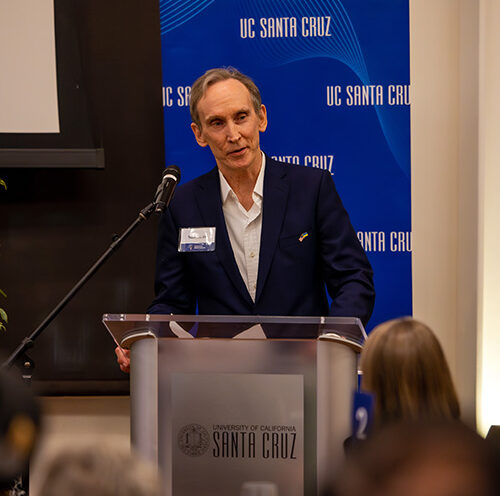
Mark Akeson elected a Fellow of the National Academy of Inventors
UC Santa Cruz Professor Emeritus of Biomolecular Engineering Mark Akeson has been named a Fellow of the National Academy of Inventors.
-
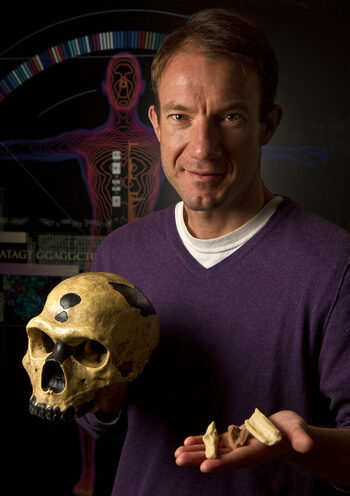
UC Santa Cruz innovators recognized for impact at 2024 Santa Cruz Works Titans Awards
Two UC Santa Cruz faculty members, Richard (Ed) Green and Chris Benner, have been selected as awardees for the eighth annual Santa Cruz Works Titans Awards
-

Genomics Institute faculty and staff help create non-profit to center Indigenous Knowledge while accelerating conservation genomics research
Several current and former UC Santa Cruz faculty and staff have joined with leading experts in the field of conservation genomics to launch Wise Ancestors, a non-profit centering Indigenous Peoples and Local Communities as co-creators of biodiversity conservation projects
-
24 in 2024: list of most highly cited researchers includes UC Santa Cruz scientists and engineers
In a notable recognition of scholarly achievement, 24 scientists and engineers from UC Santa Cruz have earned a spot on the 2024 Highly Cited Researchers list, recently unveiled by Clarivate.
-

2024 iGEM team’s foundational science project tackles infant formula affordability
The 2024 UC Santa Cruz iGEM team won a silver medal at the international Jamboree for a project focused on addressing the high cost of infant formula through a foundational synthetic biology approach.
-

How optogenetics can put the brakes on epilepsy seizures
In what could one day become a new treatment for epilepsy, researchers at UC San Francisco, UC Santa Cruz and UC Berkeley have used pulses of light to prevent seizure-like activity in neurons.