Arts & Culture
Alumnus John Kim receives multiple film festival selections for his debut independent feature film Reunion
John Kim’s (Porter ’84, creative writing and literature) debut independent feature film Reunion follows an Asian American funeral home worker who attends his high school reunion hoping to jump-start his life, only to be mistaken for a successful alumnus from another school—a billionaire whom no one has seen since graduation.
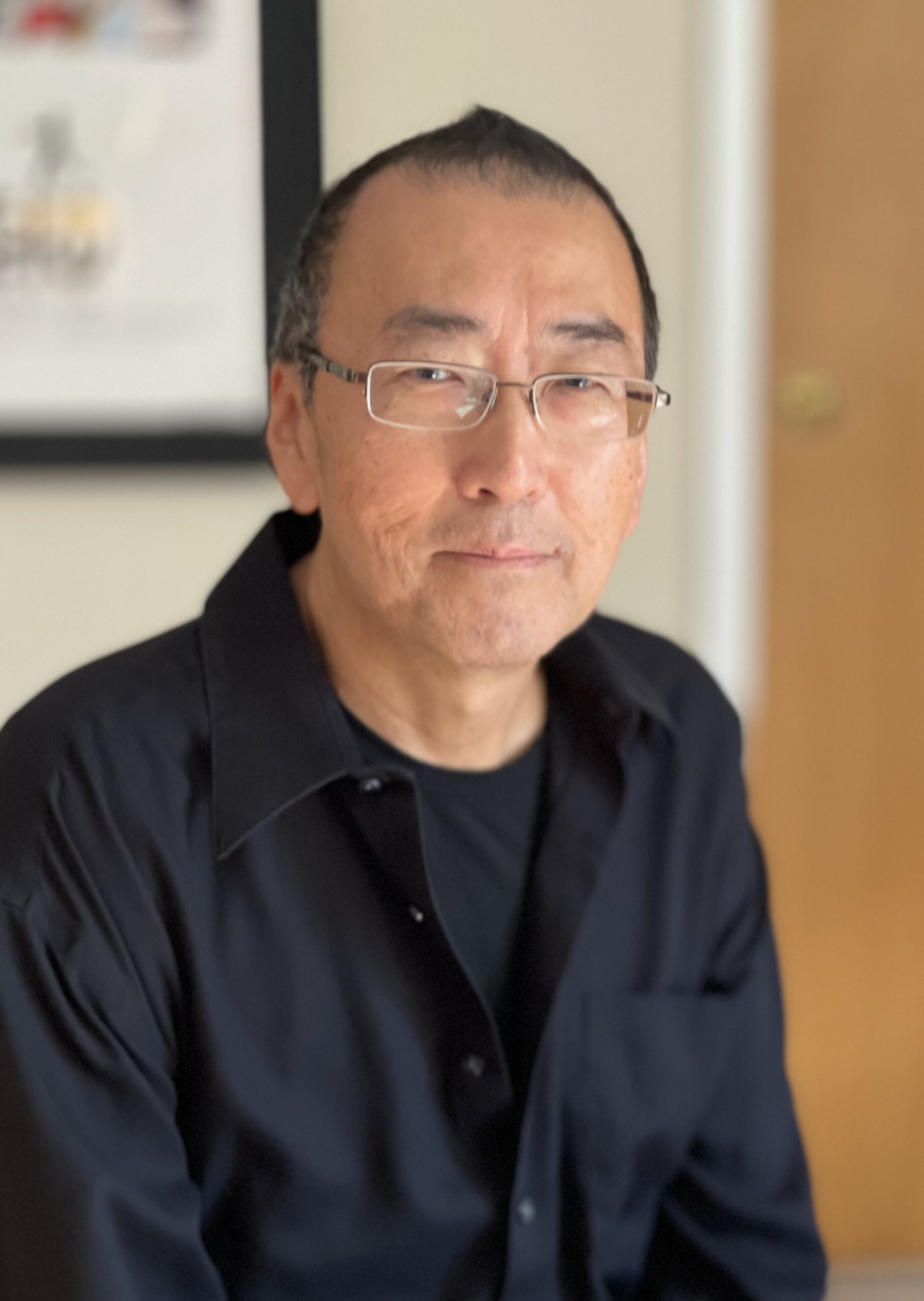
John Kim (Porter ’84, creative writing and literature)
Key takeaways
- John Kim graduated from UC Santa Cruz in 1984 with degrees in creative writing and literature before earning an M.A. in film from the University of Southern California.
- His first independent feature film has been selected for multiple spring 2026 film festivals.
- Kim credits UC Santa Cruz with teaching him to think critically about gender, race, and sexuality, and laying the foundation that set the stage for the rest of his film career.
Filmmaker and UC Santa Cruz alumnus John Kim (Porter ’84, creative writing and literature) recently completed his first independent feature film, Reunion. The comedic film was selected by several spring 2026 film festivals, including San Jose’s Cinequest Film Festival, the Beverly Hills International Film Festival, the RiverRun International Film Festival in North Carolina, and the Los Angeles Asian Pacific Film Festival.
Reunion follows an Asian American funeral home worker who attends his high school reunion hoping to jump-start his life, only to be mistaken for a successful alumnus from another school—an Asian billionaire whom no one has seen since graduation. The film captures some of the themes Kim has explored since he was a student at UC Santa Cruz: identity, specifically Asian American and immigrant identity, as well as the American cultural obsession with chasing the “next best thing.”
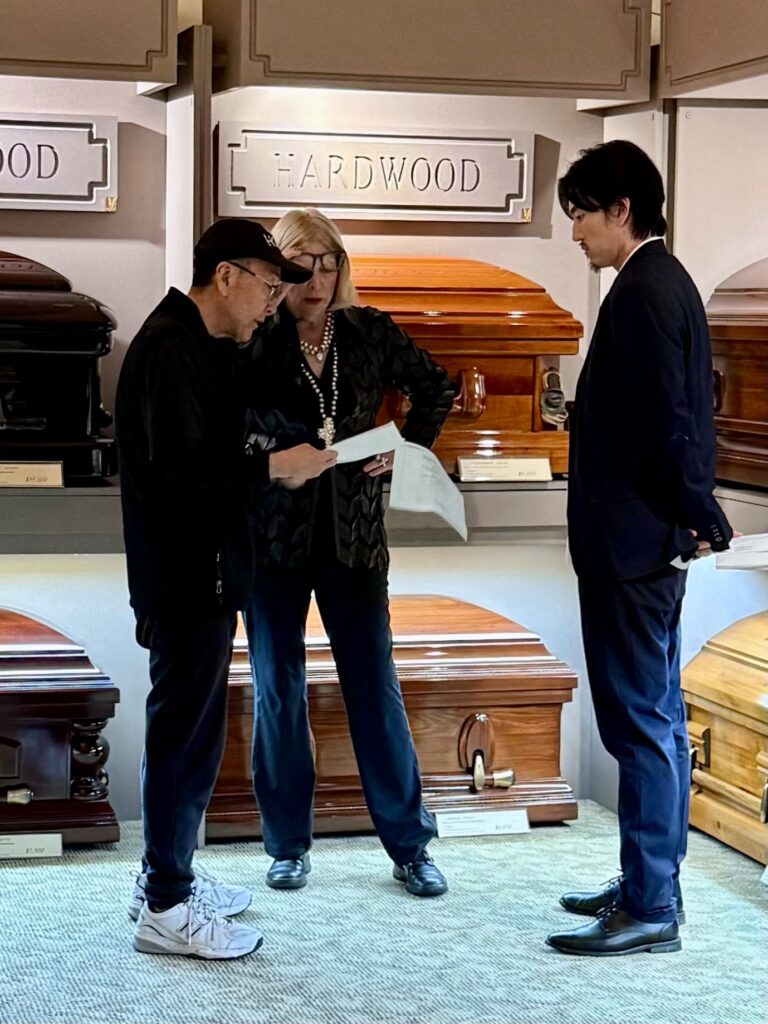
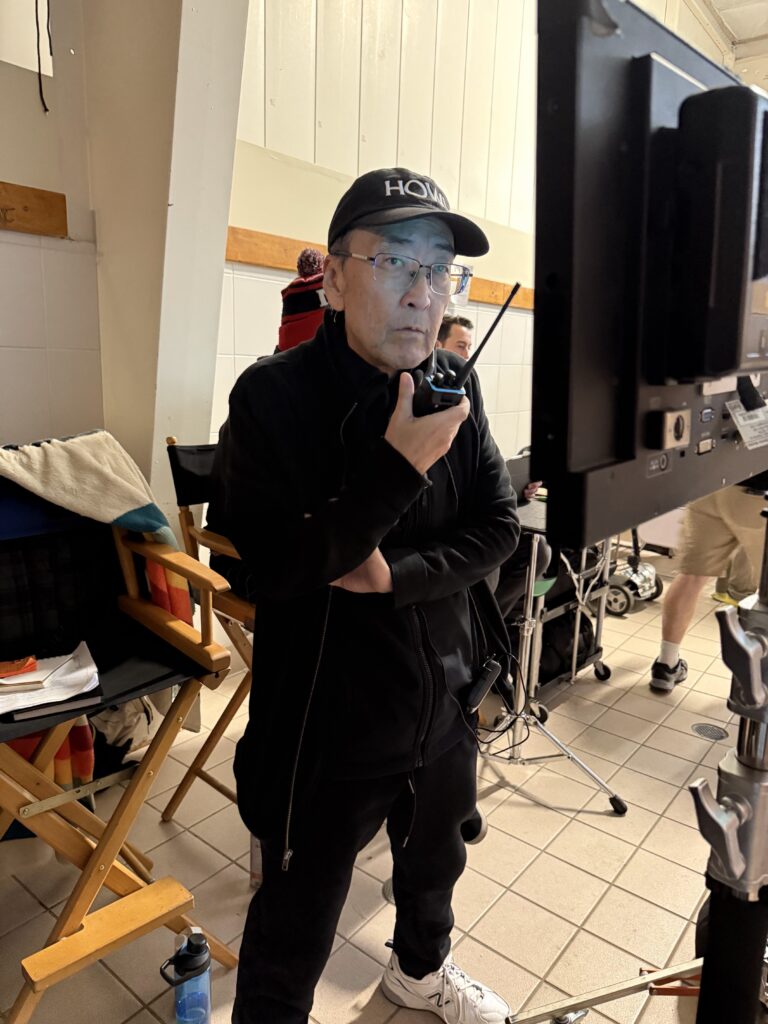
Kim, 64, was born in Seoul, South Korea, in the early 1960s during the second wave of Korean immigration to the U.S. following the Korean War. He moved to Palo Alto with his family when he was four years old after his father, an engineer, landed a job at a Bay Area firm. His father contributed to NASA’s space program, and his mother was a concert-level pianist.
Kim quickly learned English as his parents, especially his father, forbade him from speaking Korean. Books and movies were a key part of Kim’s upbringing and introduction to American culture. He said that as a child, he went to the library two blocks from his house almost daily.
“I read voraciously as part of my assimilation, and the movies I saw were so overwhelmingly powerful and moving that one couldn’t help being influenced,” Kim said.
Kim came of age during the 1970s, which he said was a renaissance for edgy political films such as The Godfather, All the President’s Men, and Serpico. He was also influenced by the escapist entertainment of the time, such as Blazing Saddles and Young Frankenstein.
Soon after Kim discovered his love for film, he found theater and began acting in plays and reading both classical and modern playwrights. He enjoyed performing works by his favorite playwrights with his friends throughout high school and intended to become a professional actor.
After an academically cutthroat high school experience, Kim was lured by UC Santa Cruz’s grade-optional system at the time. Once he moved on campus, he was taken by its natural beauty, the freedom he saw students have, and the openness of the professors. Kim started college as a theater and literature double major before he found the film department, which was at the time just two rooms and an equipment check-out system.
Kim said filmmaking became an extension of his work as an actor. Like theater, filmmaking and writing were avenues for Kim to express himself.
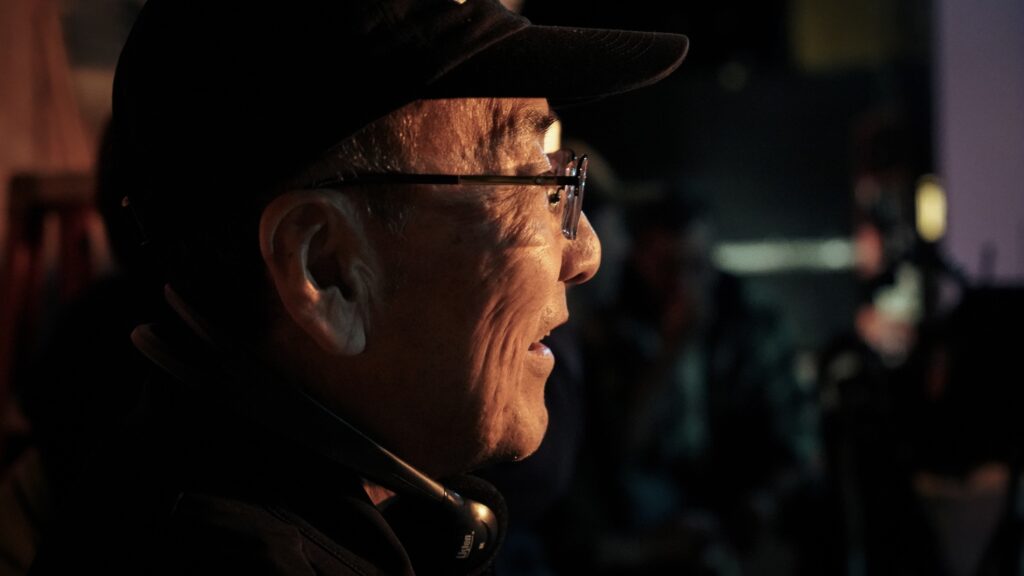
Kim had many influential mentors while he studied at UC Santa Cruz, including Audrey Stanley, one of the first women directors of Shakespeare on the Coast, and Eli Hollander, who helped found the film department at UCSC.
“He was eclectic and passionate about film, and made you care about your work,” Kim said about Hollander.
Kim said his film professors, like Hollander and Janey Place, encouraged students to make their own arguments and opinions rather than settle on a normative opinion about films.
“Santa Cruz is a place where dogma went to die,” Kim said. “You had to constantly learn and fight, otherwise you didn’t get anything out of the [learning] process.”
Outside of his film studies, Kim continued to nurture his love for theater at Santa Cruz. He was a member of Shakespeare Santa Cruz in its founding year. The crew put on two shows a day for three weeks, performing A Midsummer Night’s Dream in the afternoon and then King Lear at night.
Kim also wrote for UCSC’s student-run newspaper, City on a Hill Press, for three years, which gave him a foundation for the journalism work he continued into his career. He eventually wrote for all three major Santa Cruz publications at the same time as a student.
Kim said that his experience at UC Santa Cruz taught him the value of having an open mind. He added that at UCSC, there was an understanding that everyone had a valid opinion and perspective, and that one’s background didn’t have to define an individual.
“Prestige didn’t get you far at [UC] Santa Cruz, you had to be authentic to what you believed and why,” Kim said.
UC Santa Cruz laid the foundation for Kim’s graduate studies at the University of Southern California (USC) film school, which he attended following graduation.
“I don’t think I would be a filmmaker or have the success that I had at USC and other places without UCSC,” Kim said.
He shot his first short films as a student at UCSC and began writing fiction centering on his Korean American background. Kim said UC Santa Cruz provided him with the environment to formulate his own opinions and not be afraid to make mistakes—skills that were crucial for his success in film school and as a filmmaker.
Kim paused his USC master’s program to soul-search after realizing he had the technical skills to make films but didn’t know which stories to tell. When he returned to finish his degree in 1997, he had a new mission: centering Asian American stories on screen. Growing up without cultural representation in media, Kim made sure his later graduate films all featured Asian characters, crediting UCSC with teaching him to think critically about race and identity and that differences are strengths.
Kim started his independent film and television production company in 2009, named Untold Stories.
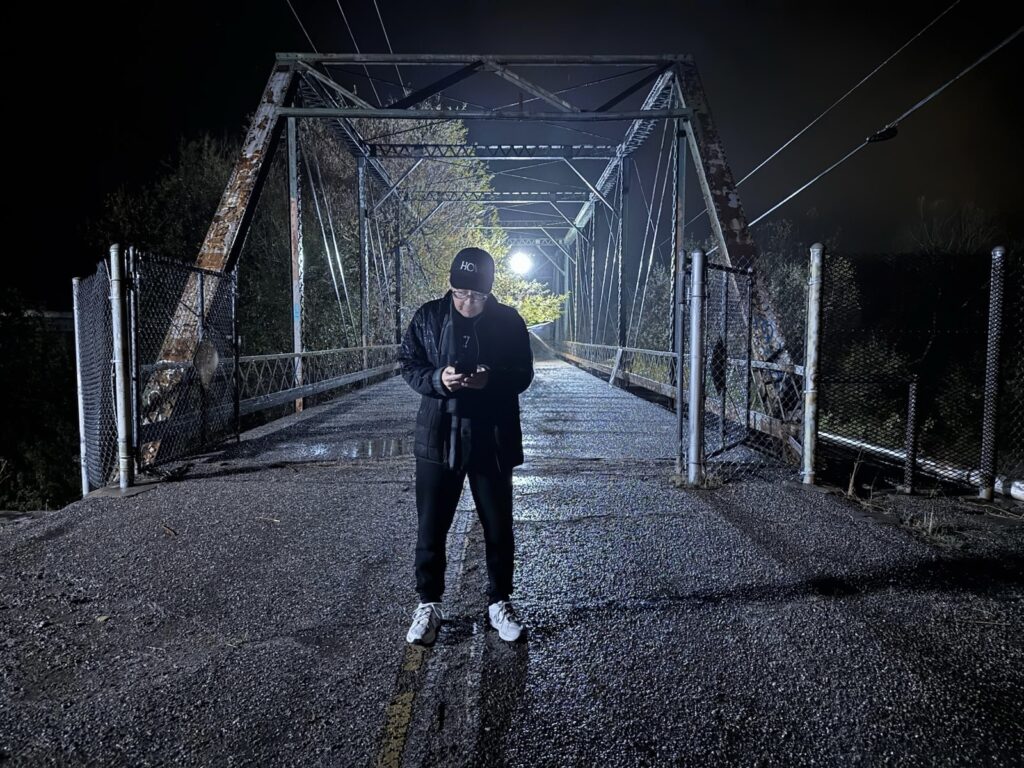
Reunion is his most prolific piece of work yet. Kim says that while Reunion is fictional, he relates to the main character’s feeling of being “the other.” The moral of the film is that “living someone else’s life, however glamorous or seductive, is not worth the one life you’ve been given.”
Reunion is also a slight critique on American capitalist culture and the idea that there is always more for people to want or have, leading to endless dissatisfaction and unhappiness.
“It’s a sad commentary that in one of the wealthiest countries in the world we have suffering and poverty, as well as a kind of spiritual malaise,” Kim said.
Kim said it was a great validation to be selected for the film festivals and hopes that the film will be picked up for distribution later this year.
Kim lives in Mountain View, California, with his partner Jacque Reichley. The two dated in high school and reconnected almost 20 years later. He is currenting working on a short film called Vortex, which he hopes to put into production in the fall. He also plans to revive a feature neo-noir crime thriller he put aside before the COVID-19 pandemic.
Kim emphasizes that his experience at UC Santa Cruz set the stage for the rest of his film career and taught him to cultivate his own opinion and voice.
“Santa Cruz was good at asking you, ‘Who are you?’” he said. “The school and city made it clear that your only real mission was to find that out for yourself.”